
Quick access
⚡ Quick Summary: Which One Should You Choose?
- Classic Tint: Best for subtle results. Colors the hair shaft only; lasts 3-4 weeks on hair, 0-2 days on skin.
- Brow Henna: Best for sparse brows. Natural skin staining (tattoo effect) that lasts up to 2 weeks on skin and 6 weeks on hair.
- Hybrid Dye: The modern powerhouse. Offers the intensity of henna with the speed of tint. Long-lasting skin stain (up to 10 days) and intense hair color.
- Pro Recommendation: Never use Henna immediately after a Brow Lamination. Stick to Hybrid or Classic dyes with low-volume developers for laminated brows.
In the rapidly evolving world of semi-permanent makeup and brow artistry, the "Color Bar" has become more complex than ever. For professional artists and clients alike, the choice between lash and brow tint and dye products is no longer just about picking a shade; it’s about understanding formulation chemistry. Whether you are aiming for a soft, natural enhancement or a sharp, "makeup-look" skin stain, selecting the right medium is the difference between a satisfied return client and a procedural failure.
This evidence-based guide breaks down the molecular differences between traditional tints, plant-based henna, and modern hybrid formulas to help you master the art of brow customization.
Classic Tint: Subtle & Hair-Focused Chemistry
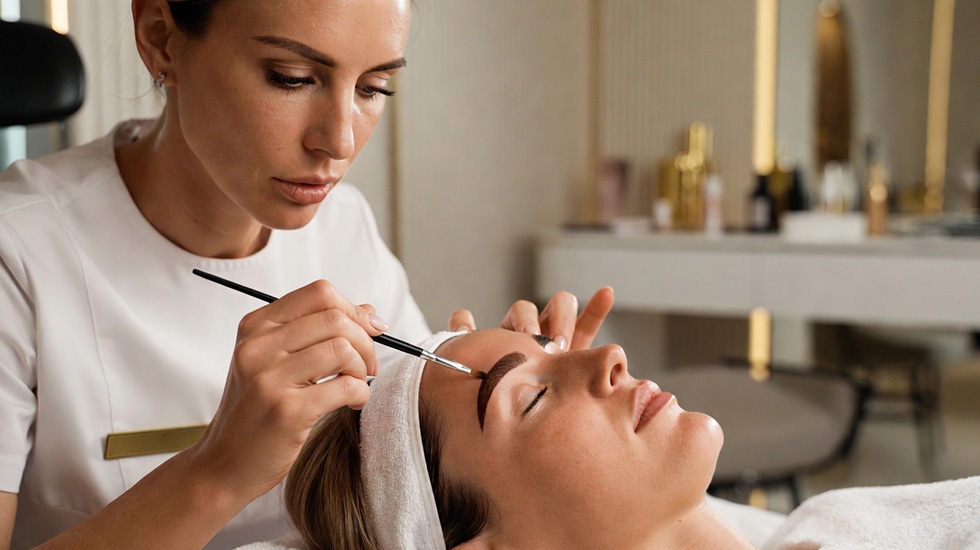
Classic brow and lash tints have been the industry standard for decades, and for a good reason. They are the "reliable old friend" of the beauty world. These are oxidative dyes, meaning they require a developer (usually 3% peroxide) to open the hair cuticle and deposit pigment inside the shaft. The molecular structure of classic tint is specifically designed to bind with the keratin inside the hair, not the surface of the skin.
Think of classic tint as a semi-permanent hair color for your face. It doesn't try to be a tattoo; it simply wants to make your natural hairs look richer and darker. While classic tints provide a beautifully soft and natural result, they are notorious for their lack of skin staining. If you have full brows and only want to darken the hair, products like RefectoCil Lash & Brow Dye are unparalleled for their reliability and color range. However, for clients with sparse areas or gaps, classic tint will not provide the "shadow" or "filled-in" look they desire.
Why Stylists Still Love Classic Tint:
- Zero Room for Error: Because it doesn't stain the skin aggressively, any slight slip-up during application is easy to fix.
- Maximum Naturalness: It’s perfect for the "no-makeup" makeup look. No one will know you had them done; they’ll just think you have great genes.
- Lash Safety: It remains the safest and most common choice for eyelashes, where skin staining is usually undesirable and messy.
Brow Henna: The Plant-Based Skin Stain (Tattoo Effect)
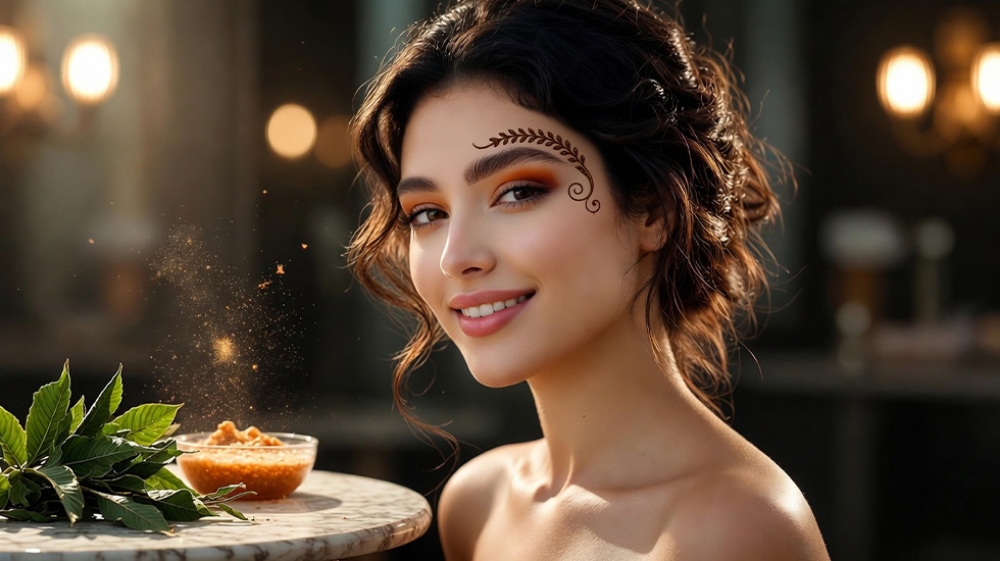
Brow Henna is fundamentally different from oxidative dyes. Derived from the Lawsonia inermis plant, henna contains "Lawsone" molecules that naturally bind to proteins. Unlike tint, which penetrates the hair, henna coats the hair shaft and stains the top layers of the skin (the stratum corneum).
If you're tired of drawing your brows on every single morning, henna is your best friend. It fills in the "holes" in your brow shape by coloring the skin underneath the hair. Henna does not require a chemical developer; it is usually activated with sterile water or a mineral solution. This makes it a top choice for clients seeking a more natural ingredient profile. Using a professional system like HD CC Brow Henna allows artists to create a "shadow" effect that lasts up to 14 days on the skin, effectively camouflaging gaps in the brow map.
The Henna Checklist: Is it for you?
Henna isn't just a color; it's a treatment. Here is how it behaves on different skin types:
| Skin Type | Stain Longevity | Pro Tip |
|---|---|---|
| Dry Skin | Excellent (10-14 days) | Ensure deep exfoliation before application to prevent patchiness. |
| Oily Skin | Moderate (5-8 days) | Sebum (oil) pushes out pigment faster; use a primer before applying. |
Hybrid Dye: The Evolution of Ocular Color
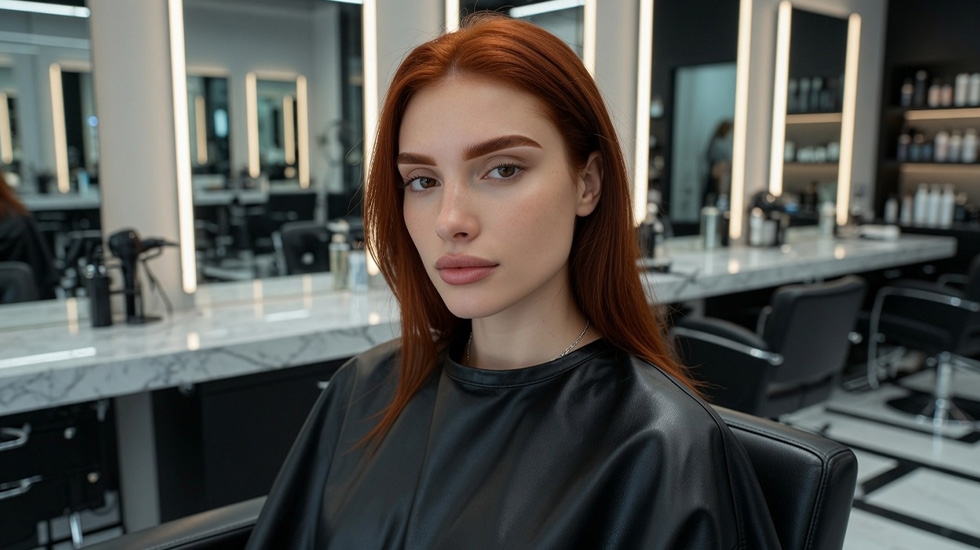
Hybrid Dye is the newest innovation in the beauty market, and it’s currently taking Dubai salons by storm. As the name suggests, it is a chemical hybrid: it functions like an oxidative dye (fast processing, deep hair penetration) but mimics the skin-staining power of henna. It is often referred to as "Liquid Henna" or "Hybrid Stain."
The chemistry involves highly concentrated pigments that are much smaller than classic tint molecules. This allows them to saturate the skin more effectively, leaving a crisp, defined mark. Hybrid dyes are perfect for clients who want the "bold" look of henna but are short on time, as hybrid processing takes only 7-10 minutes compared to henna’s 20-30 minutes. It is also the superior choice for use during lash and brow lifts because it is more compatible with the chemical restructuring of the hair.
Why Hybrid is "The Game Changer":
If you have a busy lifestyle, Hybrid is the middle ground you've been waiting for. It offers the best of both worlds without the long wait times of traditional henna.
- Speed: In and out of the salon chair in half the time of henna.
- Intensity: It delivers a very graphic, "sharp" brow tail that looks like it was drawn on with a professional pomade.
- Versatility: Works beautifully with low-volume developers, making it safer for hair that has just been chemically lifted.
Comparison Matrix: Longevity and Suitability
To help you select the perfect medium for your clients, we have compiled this clinical comparison of performance and results:
| Feature | Classic Tint | Brow Henna | Hybrid Dye |
|---|---|---|---|
| Processing Time | 5 - 10 Minutes | 20 - 30 Minutes | 7 - 12 Minutes |
| Skin Stain Duration | 0 - 2 Days | 7 - 14 Days | 7 - 10 Days |
| Hair Color Duration | 3 - 4 Weeks | 6 Weeks | 6 - 7 Weeks |
| Best For... | Natural, hair-only tinting. | Sparse brows & oily skin. | Graphic, defined "makeup" look. |
The Role of Oxidants: Why Developer Strength Matters
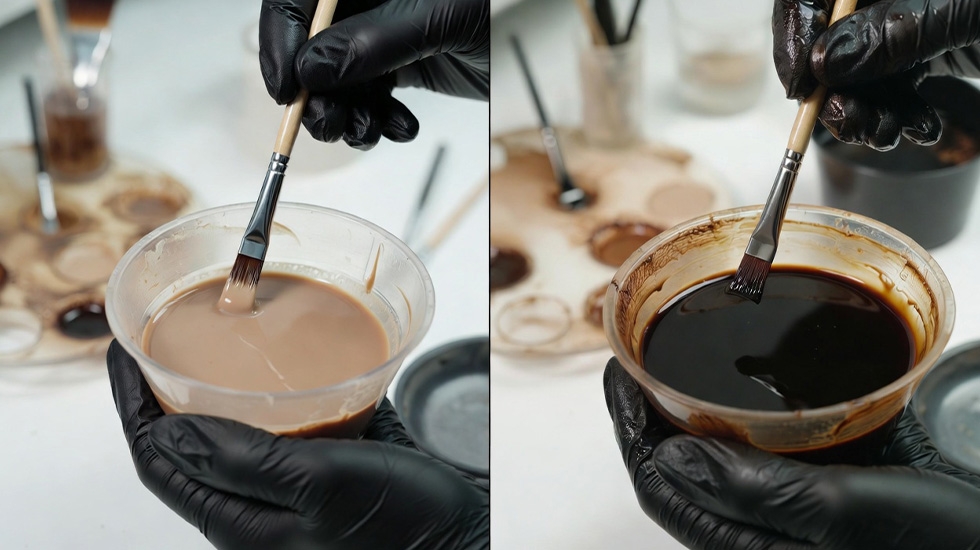
Except for Henna, which relies on natural tannins and water activation, almost every professional coloring process depends on the chemical strength of the developer, also known as the oxidant. In the delicate world of lash and brow lifting, the developer is the "key" that unlocks the hair cuticle. However, using the wrong key can force the lock and cause permanent structural damage. We must be extremely cautious with developer volume because the hair on our face is significantly more fine and sensitive than the hair on our scalp.
A 3% (10 Volume) developer is widely considered the industry standard for classic tinting on "virgin" hair. It provides enough oxygen release to lift the cuticle and deposit pigment effectively. However, when applied to freshly laminated brows or lifted lashes, this standard strength can become a liability. Chemical lifting already softens the hair's disulfide bonds; following up with a high-percentage oxidant can be too aggressive, leading to the dreaded "singed" look, frizz, or over-processing that makes the hair feel like straw.
Understanding the Science of Oxidation Control
When you mix a tint with a developer, a chemical reaction begins. The hydrogen peroxide in the developer breaks down the natural melanin in the hair while simultaneously developing the new dye molecules. If this reaction happens too fast or too intensely—which is exactly what happens with higher volumes—the hair loses its elasticity. This is why professionals are moving toward "Lower Volume, Higher Precision" protocols.
When working on sensitive eye areas or immediately after a chemical lift, professionals prefer lower concentrations to ensure the integrity of the hair remains intact. Using a specialized product like the My Lamination 2% Color Developer provides a significantly gentler oxidation process. It is specifically formulated to open the hair cuticle just enough to deposit the hybrid or classic pigment deeply without causing the structural fatigue or "blowout" associated with 3% or 6% developers.
Professional Protocol: Choosing Your Developer Strength
To provide a bespoke service, you must evaluate the hair's current state before mixing your bowl. Here is the people-first guide to making the right clinical choice:
- The 1.5% to 2% Window (Low Volume): This is the "Safety Zone." Use this strength for any client who has just received a lash lift or brow lamination. It ensures the color takes beautifully without compromising the new shape or causing the hair to curl back on itself.
- The 3% Standard (Medium Volume): Best for "tint-only" appointments where the hair has not been chemically treated recently. It is ideal for covering stubborn grey hairs or creating a more dramatic change on very thick, coarse natural brows.
- The Risks of Over-Oxidation: Using a developer that is too strong doesn't just damage the hair; it also affects the color result. Over-oxidized tint often pulls "warm" or "brassy," leading to unwanted orange or reddish undertones that look unnatural on the skin.
- Sensitive Skin Protocol: Lower percentage developers produce less of a "tingling" or "stinging" sensation on the skin. For clients in Dubai who may have sun-sensitized skin or seasonal allergies, the 2% developer is a much more comfortable and luxurious experience.
Ultimately, the goal of a professional artist is to deliver color that looks vibrant but feels healthy. By mastering the science of oxidants and choosing lower-percentage, clinical-grade developers, you are not just coloring hair—you are preserving its biological health and ensuring a result that lasts longer and looks significantly more high-end.
Frequently Asked Questions (FAQ)
Can I use Henna immediately after a Brow Lamination?
No. Professional brow artists strictly advise against this. Henna dries out the hair and requires a long processing time, which can lead to over-processed, brittle brows when combined with the chemical restructuring of a lamination. Use Hybrid or Classic tint instead.
Why does Hybrid Dye last longer than Classic Tint?
Hybrid dyes contain a higher concentration of pigment and smaller molecules that stain the skin more effectively. Because it also behaves like an oxidative dye, it locks the pigment deeper into the hair shaft compared to traditional formulas.
Is Henna better for oily skin than Hybrid Dye?
Generally, yes. Henna has a natural affinity for keratin on the skin and tends to hold up slightly better on oily complexions. However, proper skin preparation (cleansing and exfoliating) is the most important factor for any stain longevity.
Conclusion: Upgrading Your Salon's Color Bar
Mastering the "Henna vs Hybrid vs Classic" debate is about more than just aesthetic preference; it is about providing a bespoke clinical solution for every client’s skin type and hair density. A professional artist should always carry a variety of mediums to tailor the longevity and intensity of the result.
Whether you are looking for the natural "tattoo effect" of henna or the high-speed intensity of modern oxidative dyes, using premium, scientifically backed supplies is your guarantee of excellence. Explore the full clinical range of professional coloring solutions at Winlash and elevate your salon's results to a global standard.