RSS

Blog posts of '2026' 'March'

The Ultimate Guide to Eyebrow Dye and Professional Tinting (2026 Edition)
Quick Access to Professional Topics (Click to Open)
  1. Understanding Eyebrow Dye: More Than Just Color
  2. Benefits of Brow Tinting: Why It Is a 2026 Beauty Essential
  3. Choosing the Best Eyebrow Dye: Professional vs. DIY
  4. The Science of Developers: Achieving the Perfect Consistency
  5. Step-by-Step Professional Brow Tinting Technique
    1. Clinical Consultation & Geometric Mapping
    2. Advanced Preparation & pH Balancing
    3. The Chemistry of Mixing: Oxidative Ratios
    4. Strategic Application & Ombré Layering
    5. Porosity-Based Processing & Removal
  6. Maintenance and Aftercare: Preserving Your Pigment
    1. The 24-Hour Stabilization Window
    2. Molecular Interaction: Avoiding Oil-Based Solvents
    3. Photo-Degradation and UV Protection
    4. Cellular Turnover and Gentle Cleansing
    5. Professional Maintenance Cycle
  7. Safety Standards and Patch Testing: EEAT Best Practices
  8. FAQ: People Also Asked (Professional Brow Edition)
  9. Conclusion: Elevate Your Brow Game

In the evolving world of aesthetic beauty, eyebrows have transitioned from a subtle facial feature to the definitive "frame of the face." As we move through 2026, the demand for high-performance eyebrow dye has skyrocketed, driven by a global shift toward low-maintenance, semi-permanent beauty routines. Whether you are a professional stylist or a beauty enthusiast, understanding the chemistry of tinting is essential for achieving the perfect arch, depth, and symmetry that lasts through the humidity and lifestyle demands of a city like Dubai.


Understanding Eyebrow Dye: More Than Just Color

Professional eyebrow tinting is an oxidative process that involves depositing pigment into the hair shaft. Unlike temporary pencils or gels that sit on top of the hair, brow tint penetrates the cuticle to provide a deeper, more resilient color that can last anywhere from 4 to 6 weeks. This process relies on the interaction between a dye cream and a hydrogen peroxide developer.

The Chemistry of Pigmentation

Modern dyes are formulated with specialized molecules that bind to the keratin in your brow hairs. In 2026, the focus has shifted toward hybrid dyes—products that provide the long-lasting skin-stain effect of henna with the fast processing time and ease of a traditional cream dye. This allows for a "3D effect" where both the skin and the hair are tinted, creating the illusion of much fuller, thicker eyebrows.


Benefits of Brow Tinting: Why It Is a 2026 Beauty Essential

The rise of eyebrow tinting as a core beauty service is attributed to its transformative power. It is no longer just about making brows darker; it is about color correction, gray coverage, and structural definition.

  • Visual Thickness: Tinting catches the fine, light-colored "vellus" hairs that are usually invisible, instantly making the brow appear 20-30% fuller.
  • Symmetry Correction: A skilled artist can use dye to fill in sparse areas and balance out uneven arches.
  • Time Efficiency: Waking up with perfectly defined brows eliminates the need for daily drawing, saving valuable time in the morning.
  • Confidence: Defined brows provide an instant "mini lift" to the eyes, making the face look more awake and youthful.

Choosing the Best Eyebrow Dye: Professional vs. DIY

Selecting the best eyebrow dye is the most critical decision for any stylist. The market in 2026 is dominated by European brands that prioritize follicle health and safety. For professionals who demand vibrant color and clinical reliability, the My Lamination Lash & Brow Dye is an industry favorite. Its formula is enriched with ingredients like castor oil and panthenol, which treat the hair while tinting.

Another global heavyweight in the industry is RefectoCil. For decades, it has been the gold standard for versatility. The RefectoCil Eyelash and Eyebrow Dye is known for its extensive range of mixable shades, allowing artists to create completely custom colors—from cool-toned graphites to warm chestnuts—tailored to the client's skin undertones.


The Science of Developers: Achieving the Perfect Consistency

A dye is only as effective as the developer it is mixed with. The developer acts as the catalyst that opens the hair cuticle and allows the pigment to enter. Using the wrong percentage or an inferior brand can lead to inconsistent color or even chemical burns on sensitive facial skin.

In 2026, many professionals prefer a gentle approach to preserve the structural integrity of the brow hair. The My Lamination 2% Color Developer is specifically designed for the delicate eye area. Its 2% concentration is strong enough for deep pigmentation but gentle enough to avoid the "over-processing" that can lead to dry, brittle brows.


Step-by-Step Professional Brow Tinting Technique

Achieving a professional-grade brow tint requires more than just applying color; it is a meticulous clinical procedure that demands a systematic approach to mapping, chemical safety, and artistic application. In 2026, the industry has moved beyond simple "coloring" to a process that respects the follicle health and skin integrity of the client.

1. Clinical Consultation & Geometric Mapping

The process begins with a deep analysis of the client’s skin undertones (cool, warm, or neutral) and their natural hair pigmentation. A professional stylist assesses the melanin levels in the existing brow hairs to predict how the dye will develop. Brow mapping is then performed using gold-ratio geometry and surgical-grade thread or pencils. This ensures the pigment remains within the ideal anatomical boundaries, creating symmetry and a lifting effect that complements the client's bone structure.

2. Advanced Preparation & pH Balancing

For the dye to bond effectively, the surface of the hair must be prepared. This involves more than just removing makeup. A professional cleanse with an oil-free, saline-based cleanser removes SPF residues, sebum, and environmental pollutants. Stylists then use a specialized primer to balance the pH levels of the brow area, slightly opening the hair cuticle to allow for deeper and more uniform pigment penetration.

3. The Chemistry of Mixing: Oxidative Ratios

The mixing stage is a precise chemical reaction. By combining a professional-grade dye with a stabilized developer—typically in a 1:1 or 1:1.5 ratio—the oxidative polymerization process is activated. Using high-quality products like My Lamination Dye ensures the mixture remains a smooth, creamy paste that doesn't "run" or bleed into unwanted areas, guaranteeing a crisp and defined finish.

4. Strategic Application & Ombré Layering

Using a high-precision angled brush, the tint is applied in layers. Professionals start at the "tail" of the brow, where the highest density of color is usually desired, and move toward the "bulb" (the front). To achieve a natural, modern ombré effect, the tint is applied more sparingly at the front and removed earlier, preventing a heavy, blocky appearance that can look artificial.

5. Porosity-Based Processing & Removal

Timing is not universal; it is based on hair porosity. Fine or light-colored hairs process faster than coarse, dark hairs. The processing time (usually 5–12 minutes) is monitored closely. Once the desired depth is reached, the dye is removed using a damp cotton pad with a gentle, non-abrasive motion. Some professionals use a color stabilizer at this stage to "lock in" the pigment and neutralize any remaining oxidative activity.


Maintenance and Aftercare: Preserving Your Pigment

Proper aftercare is the definitive factor that separates a temporary stain from a long-lasting professional result. Because brow tinting is a semi-permanent treatment, the longevity of the results depends heavily on how the lipid barrier of the skin and the keratin of the hair are treated post-service.

The 24-Hour Stabilization Window

The chemical bonding of oxidative dyes continues for several hours after the service. It is vital to keep the brows completely dry for the first 24 hours. Exposure to water, steam, or high-intensity sweat can interrupt the stabilization process, causing the color to fade prematurely or change tone. In Dubai’s climate, staying in a temperature-controlled environment during this window is highly recommended.

Molecular Interaction: Avoiding Oil-Based Solvents

Pigment molecules are susceptible to degradation by lipids. Most high-end eyebrow dyes are formulated to be water-resistant but not oil-proof. Using oil-based cleansers, heavy night creams, or balms directly on the brow area will act as a solvent, breaking the chemical bond between the dye and the hair. For those using the RefectoCil Dye system, switching to water-based or micellar cleansers is the best way to extend the vibrancy of the color.

Photo-Degradation and UV Protection

UV radiation is a leading cause of photo-degradation (fading) in hair pigments. Direct sunlight can cause the chemical bonds in the dye to break down, often leading to a "brassy" or orange-tinted shift in color. Professionals recommend using a brow-safe SPF or a physical barrier like a hat when outdoors in the UAE to protect the integrity of the brow tint.

Cellular Turnover and Gentle Cleansing

The skin stain portion of the dye fades as your skin cells naturally exfoliate. To maintain the "shadow" effect under the hair, avoid chemical exfoliants (like AHAs or Retinols) and physical scrubs around the brow area. When cleansing, a "patting" motion rather than a "scrubbing" motion ensures you aren't manually lifting the pigment-carrying skin cells or damaging the hair cuticle.

Professional Maintenance Cycle

To keep the brows looking pristine, a maintenance cycle of 4 to 6 weeks is ideal. This aligns with the natural lash and brow growth cycle, ensuring that as new, unpigmented hairs grow in, they are tinted to match the existing set. Regular sessions also allow the stylist to use lower concentrations of 2% developer, which maintains the health of the hair over years of continuous tinting.


Safety Standards and Patch Testing: EEAT Best Practices

To uphold the highest levels of Expertise and Trust (EEAT), a patch test is mandatory. Allergic reactions to PPD (paraphenylenediamine), a common ingredient in hair dyes, can be severe. A small amount of the mixed dye should be applied behind the ear or on the inner elbow 48 hours before the actual service. If any redness, itching, or swelling occurs, the service must not proceed.

Product FeatureCream DyeHenna TintHybrid Dye
Skin Stain Duration1-3 Days7-14 Days7-10 Days
Hair Color Duration4 Weeks6 Weeks6-7 Weeks
Processing Time5-10 Min20-30 Min7-15 Min

FAQ: People Also Asked (Professional Brow Edition)

How long does eyebrow tinting take?

A professional brow tinting appointment usually takes 15 to 30 minutes. This includes consultation, cleansing, mapping, and the processing time of the dye itself.

Can I tint my eyebrows if I have sensitive skin?

Yes, but a patch test is essential. Additionally, choosing a gentle, low-percentage developer like a 2% or 3% cream developer can minimize the risk of irritation.

Is eyebrow dye safe for pregnant women?

While many women continue to tint their brows during pregnancy, we always recommend consulting with your physician first. Hormonal changes can sometimes make the skin more reactive or change the way the dye takes to the hair.

Will eyebrow dye cover gray or white hairs?

Yes, but gray hairs are often more "resistant" because the cuticle is tighter. A longer processing time or a specialized professional dye like RefectoCil is recommended for effective gray coverage.


Conclusion: Elevate Your Brow Game

Mastering the use of eyebrow dye is both a science and an art. In 2026, the key to success lies in choosing premium products, understanding the technical mapping of the face, and educating clients on the importance of aftercare. By prioritizing hair health and using professional-grade supplies, you can achieve results that are not only beautiful but sustainable and safe.

Ready to achieve the perfect, professional arch? Explore our exclusive collections of dyes, developers, and tools at Winlash and redefine your beauty routine today!

Lash Lift vs Lash Extensions: Which is Better for Your Lashes? (2026 Guide)
Quick Access Table of Contents
  1. Lash Lift vs. Lash Extensions: The Core Differences
  2. What is a Lash Lift & Lamination? (The Natural Route)
  3. What are Lash Extensions? (Classic vs. Volume)
  4. Pros and Cons: A Side-by-Side Comparison
  5. The Damage Report: Which is Safer for Your Lashes?
  6. Cost Comparison: Initial Price vs. Annual Maintenance
  7. Aftercare: Maintenance for Dubai’s Climate
  8. Which Should You Choose Based on Your Lash Type?
  9. Best Professional Supplies for Salons
  10. Final Verdict & Expert FAQs

Tired of fumbling with mascara every morning or dealing with clumpy false lashes? In the fast-paced beauty world of 2026, the debate between lash lift vs lash extensions has moved beyond just "which looks better." Today, it’s about lash health, lifestyle compatibility, and long-term costs.

Both treatments promise a "woke up like this" look, but they are fundamentally different. A lash lift works with what you already have, while extensions build a new set of lashes on top of your own. As more users in Dubai shift toward natural beauty trends (the "Clean Girl" aesthetic), lash lamination is gaining massive traction as a gentler alternative to heavy extensions.

In this guide, we break down the lash lift vs lash extensions pros and cons, answer the critical question of which is more damaging, and provide a realistic cost comparison to help you decide which treatment deserves your time and money.

Lash Lift vs. Lash Extensions: The Core Differences

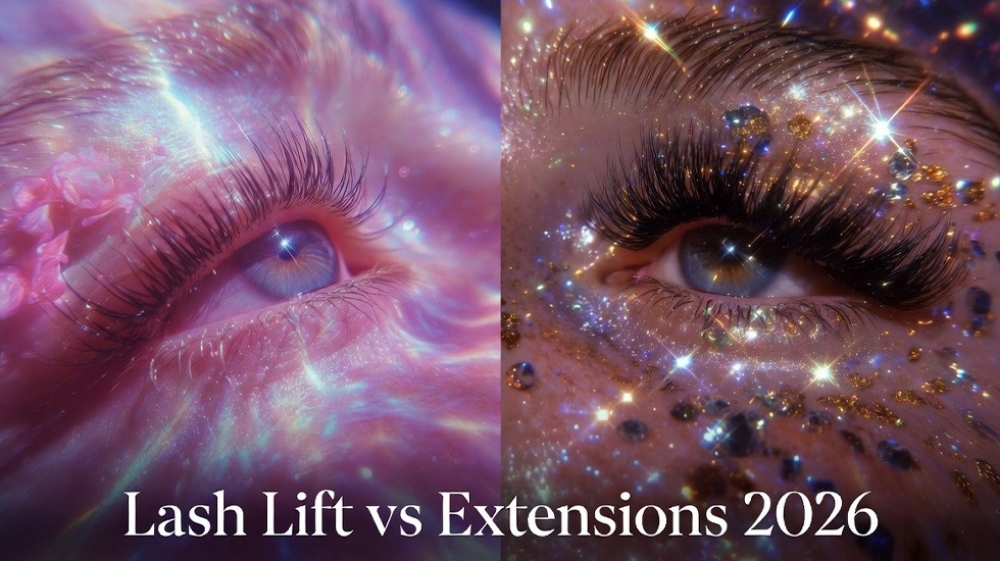
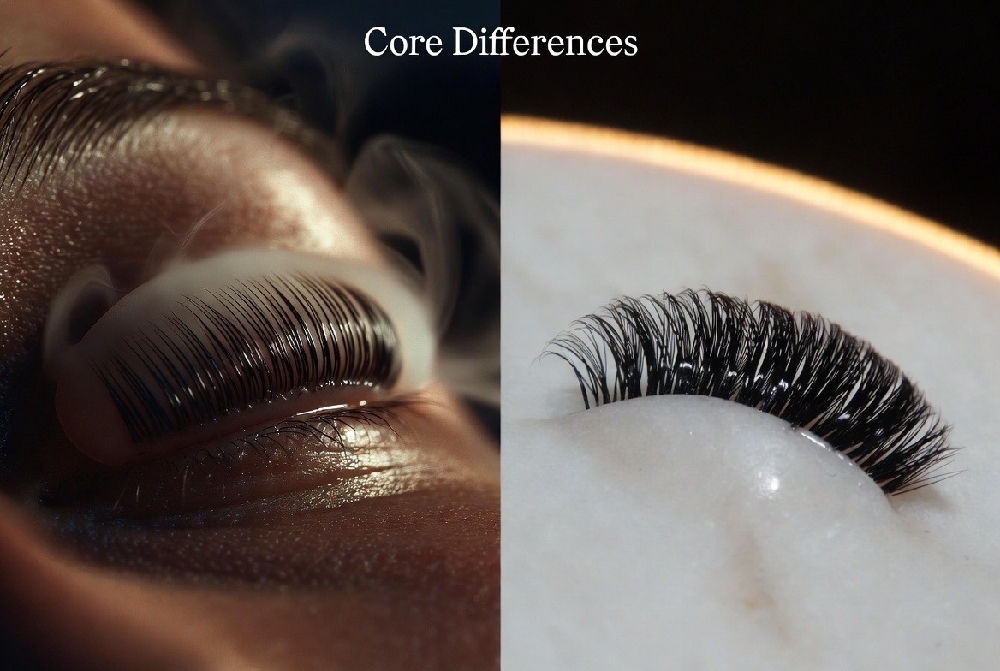
Lash lift vs lash extensions comparison 2026 - natural curled lashes on left vs classic extensions on right for Dubai beauty trends

The primary difference lies in the application. A lash lift is a chemical process that curls your natural hairs (like a hair perm). Eyelash extensions are a physical addition where synthetic fibers (silk, mink, or faux-mink) are glued to each individual natural lash.

If you want a look that says "I have amazing natural lashes and great mascara," go for a lift. If you want "I am wearing high-end falsies 24/7," extensions are your match.

What is a Lash Lift & Lamination? (The Natural Route)

Often confused, a lash lift and lash lamination are nearly identical, but lamination focuses more on the infusion of keratin and vitamins to "plump" the hair.

How it works: Your lashes are glued to a silicone shield, treated with a lifting cream to break hair bonds, then a neutralizing cream to set the new upward shape.
Longevity: 6-8 weeks.
Best for: People with medium to long natural lashes who want a low-maintenance glow.

What are Lash Extensions? (Classic vs. Volume)

Extensions are highly customizable. You can choose:

  • Classic Extensions: 1 extension per 1 natural lash. This is the closest competitor to a lash lift.
  • Volume/Mega Volume: Multiple thin extensions fanned out on one lash for a dramatic, thick look.

In Dubai, many salons use specialized humidity-resistant glues because the heat can otherwise cause the adhesive to become brittle and fail prematurely.

Pros and Cons: A Side-by-Side Comparison

FeatureLash Lift / LaminationEyelash Extensions
MaintenanceVery Low (Brush daily)High (Refills every 2-3 weeks)
ComfortFeels like your own lashesCan feel heavy or "itchy"
Mascara UseEncouraged (after 24h)Strictly Forbidden (usually)
Process Time45 - 60 Minutes90 - 120 Minutes

The Damage Report: Which is Safer for Your Lashes?

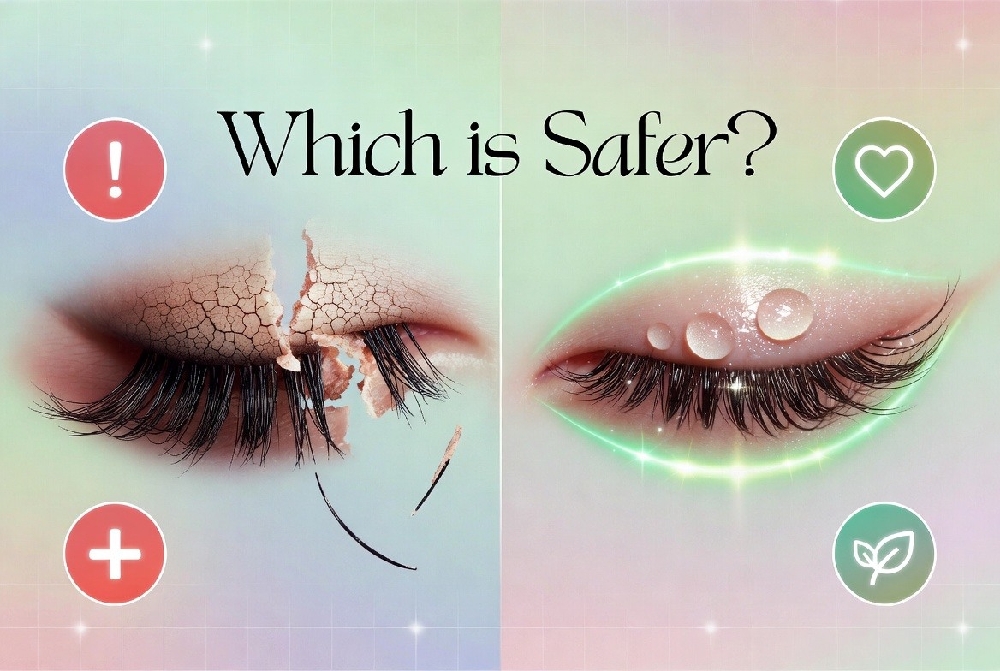
Lash health comparison: damaged lashes from heavy extensions vs healthy natural lashes after safe lash lift and lamination 2026

This is a major concern: "Is a lash lift better than extensions for lash health?"

Lash Lift: Generally safer because there is no added weight to the hair follicle. However, "over-processing" (leaving the chemicals on too long) can make lashes brittle. Using a Vitamin Lash Botox during the process eliminates this risk by re-hydrating the hair.

Extensions: Higher risk of damage. The weight of the extensions can lead to "traction alopecia" (premature shedding) if they are too heavy for your natural lash to support. Also, poor hygiene with extensions can lead to blepharitis or infections.

Cost Comparison: Initial Price vs. Annual Maintenance

When evaluating the financial side of your beauty routine, the difference between a lash lift and extensions becomes clear through the lens of maintenance frequency:

  • Lash Lift (The Economical Choice): A lash lift is a smart, one-time investment that rewards you for up to two months. Because there are no "refill" appointments required, your annual beauty budget stays significantly lower. It’s the perfect high-value option for those who want a premium look without a recurring monthly expense.

  • Lash Extensions (The Lifestyle Commitment): Extensions require a higher initial investment followed by the inevitable cost of professional refills every few weeks. When you calculate the total upkeep over a year—including the time and cost of frequent salon visits—extensions represent a much larger financial commitment compared to the streamlined cost of a lift.

Verdict: If you are looking for the best return on investment for your natural lashes, a lash lift (especially when paired with a tint) provides the most budget-friendly, long-lasting glamour.

Aftercare: Maintenance for Dubai’s Climate

Dubai’s humidity is the enemy of lash glue. If you choose extensions, you must stay away from steam and oil-based cleansers religiously. For a lash lift, you only need to be careful for the first 24 hours. After that, you can swim in the Persian Gulf or hit the sauna without worrying about your lashes "falling off."

Which Should You Choose Based on Your Lash Type?

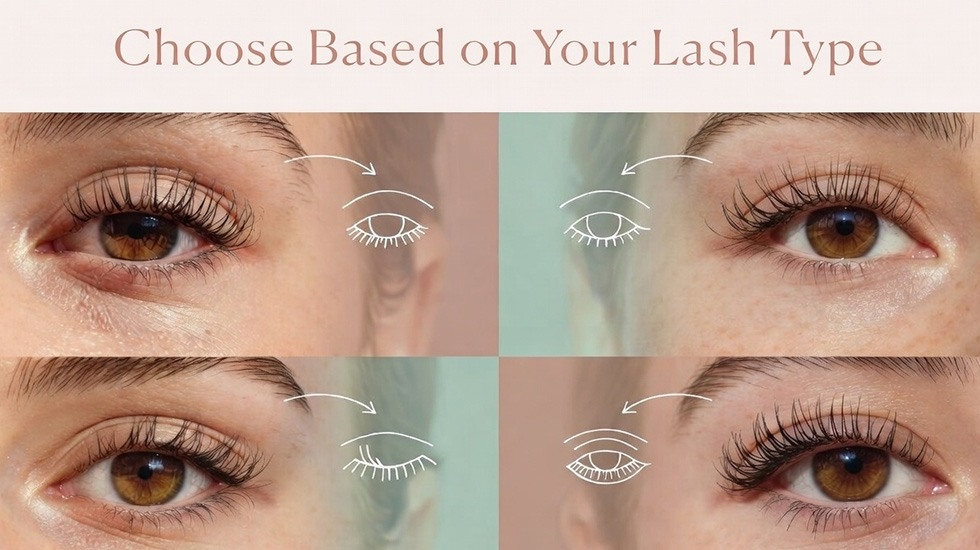
Choose lash lift or extensions based on lash type – straight lashes, short sparse, sensitive eyes comparison guide 2026

  • If you have straight/downward lashes: A lash lift is transformative. It creates a curl that mascara can't hold.
  • If you have very short/sparse lashes: Extensions are better. A lift can't create hair where there is none; extensions can.
  • If you have sensitive eyes: A lash lift is usually better as the solutions don't touch the skin, unlike extension glue which can off-gas and irritate.

Best Professional Supplies for Salons

For salons in the UAE looking to offer the best results, quality of products is non-negotiable.
We recommend the My Lamination 3-Step Kit for lifts. It’s the only system that combines lifting with intense medical-grade nourishment, ensuring zero damage.

Final Verdict & Expert FAQs

In the lash lift vs lash extensions battle, the winner depends on your goal. If you want a 100% natural, healthy, and low-maintenance look, the lash lift (lamination) is the undisputed champion of 2026.

Expert FAQs

Is a lash lift better than extensions for short lashes?

If lashes are extremely short, extensions add the necessary length. However, for most "short" lashes, a lift using a "Small" shield creates a surprising amount of length by exposing the hair from the root.

Can I switch from extensions to a lash lift?

Yes, but you must wait at least 4-6 weeks after removing your extensions to ensure your natural lashes have recovered their strength.

Why is my lash lift not as dramatic as extensions?

Because a lift only uses your own hair. It cannot add thickness (volume) or extreme length beyond what you naturally grow. Adding a "tint" to your lift helps close this gap.

Ready to Upgrade Your Lash Game?

Shop authentic Italian lash lift and lamination supplies at Winlash.

Winlash Dubai equips lash & brow professionals and dedicated at-home users with 900+ pro-grade products—including award-winning My Lamination lash lift kits and cruelty-free options. Backed by Ravabeauty (est. 2018) and a 50-member expert team, we partner with 13 global brands to deliver salon-quality tools and aftercare tuned for Dubai’s climate, with fast delivery across Dubai, Abu Dhabi, and Sharjah.

Exclusive Distributor Fast UAE Delivery Climate-Tuned Aftercare