
Quick Access Menu
- The Non-Negotiable Rule: Contact Lenses and Chemical Vapors
- Blepharitis Breakdown: Can You Lift Lashes on Inflamed Eyelids?
- The Clinical Cleansing Protocol for Sensitive Eyes
- Managing Dry Eye Syndrome During a Lash Perm
- Frequently Asked Questions (FAQ) for Sensitive Eyes
- Conclusion: Prioritizing Eye Health Over Aesthetics
⚡ Quick Summary Card
- Contact Lenses: Must ALWAYS be removed prior to the procedure. Trapped chemical fumes under the lens can cause severe corneal abrasions or chemical burns.
- Blepharitis: A lash lift is strictly contraindicated during an active flare-up. Micro-tears on the eyelid can invite severe infection if exposed to perming lotions.
- Dry Eye Syndrome: Clients are highly susceptible to tear film evaporation during the 60-minute procedure. Hydrating, hypoallergenic under-eye pads and lubricating drops are mandatory.
- Sanitation: Deep cleansing with an ophthalmologically tested foam and a sterile brush is the only way to prep sensitive eyes safely.
The eyes are the most delicate and highly sensitive biome of the human body. While cosmetic enhancements like lash perms offer an incredible boost in confidence and a low-maintenance morning routine, they introduce powerful chemical agents to the ocular area. For the average client, these procedures are entirely safe when performed correctly. However, if you suffer from pre-existing ocular conditions or utilize vision correction aids, the stakes are significantly higher. Ensuring your salon uses premium lash and brow lift products is only the first step; understanding the physiological interactions between these chemicals and your eyes is where true safety begins.
This evidence-based, clinical guide is designed to navigate the top three ocular concerns in the beauty industry: contact lens usage, Blepharitis (eyelid inflammation), and Chronic Dry Eye Syndrome. We will break down the strict salon protocols that must be followed so that your aesthetic goals never compromise your medical safety.
The Non-Negotiable Rule: Contact Lenses and Chemical Vapors
One of the most dangerous myths in the beauty industry is that keeping your eyes tightly closed during a lash lift is enough to protect your contact lenses. The clinical reality is that you must completely remove any soft, rigid gas permeable (RGP), or cosmetic contact lenses before the treatment begins. There are zero exceptions to this rule.
Lash lifting requires the use of a water-soluble adhesive (to attach the lashes to the silicone shield) and perming lotions containing active structural modifiers like thioglycolic acid or cysteamine. Even when expertly applied to the mid-shaft of the lash, these substances emit invisible chemical vapors as they oxidize and break down the hair's disulfide bonds.
Modern contact lenses, particularly silicone hydrogel varieties, are highly porous. They are specifically engineered to allow oxygen to pass through to your cornea. Unfortunately, this means they act like microscopic sponges, actively absorbing chemical fumes from the surrounding air. If these vapors become trapped in the tear film between the contact lens and your cornea, they create a highly concentrated pocket of toxicity that cannot be blinked away.
This "fume trap" can rapidly lead to acute chemical conjunctivitis, severe corneal abrasions, and extreme, lingering pain. Furthermore, integrating beauty care products into your daily routine after the procedure requires a bare, unobstructed eye to ensure no trapped residues or fumes cause secondary bacterial infections.
💡 Pro Tip for Salons: The "Vision Prep" Station
Clients frequently forget to remove their lenses or simply forget to bring their storage cases from home. To avoid turning clients away or risking their health, set up a dedicated safety station. Providing these medical necessities elevates your salon's E-E-A-T (Expertise, Authoritativeness, and Trustworthiness) instantly:
- Keep individually wrapped, sterile contact lens cases in stock.
- Provide travel-sized, single-use sterile saline solution.
- Offer a clean, well-lit mirror and a sink with antibacterial soap for safe removal before they reach the treatment bed.
Blepharitis Breakdown: Can You Lift Lashes on Inflamed Eyelids?
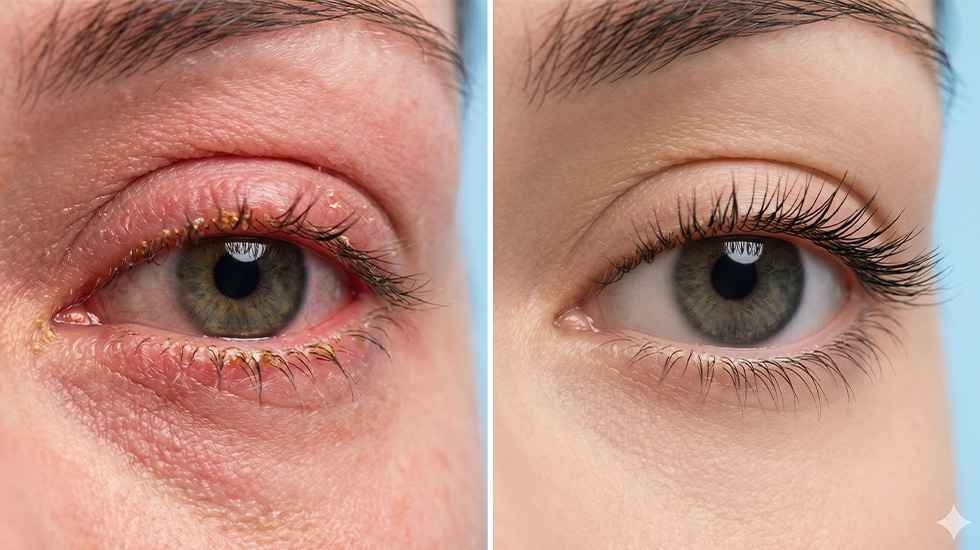
Blepharitis is a chronic, inflammatory condition affecting the eyelid margins. It is most often caused by a bacterial overgrowth (specifically Staphylococcus), clogged meibomian glands, or microscopic Demodex mites living in the hair follicles. Symptoms include red, swollen, intensely itchy eyelids, and crusty, dandruff-like cylindrical debris at the very base of the eyelashes.
Is a lash lift safe during an active Blepharitis flare-up? Absolutely not. Applying chemical lotions, adhesives, and physical tension (pulling and wrapping the lashes tightly onto a silicone shield) to an eyelid that is already compromised by micro-tears and inflammation is a recipe for a severe medical emergency.
The high pH of the perming lotions will easily penetrate the broken skin barrier of an inflamed eyelid. This causes extreme burning, rapid exacerbation of the bacterial infection, and potentially irreversible lash loss (known medically as madarosis). A responsible lash artist must act as a first line of defense and deny the service, referring the client to an ophthalmologist.
However, blepharitis is cyclical. If a client has a history of blepharitis but is currently in full remission, the procedure can be performed safely. You must know exactly what to look for before proceeding.
| Visual Indicator | Active Flare-Up (DO NOT LIFT) | Full Remission (SAFE TO LIFT) |
|---|---|---|
| Lash Base / Roots | Crusty flakes, cylindrical "collarettes" wrapping the hair. | Completely clean, free of any debris or flaking. |
| Eyelid Margin Color | Angry red, visibly inflamed, or swollen. | Pale pink, smooth, matching the surrounding skin tone. |
| Client Sensation | Complaints of itching, burning, or feeling "sand in the eye." | No discomfort, normal tear production. |
Treating a client in remission requires a meticulous, clinical-grade sanitization process prior to applying any lifting lotions to ensure the biome remains perfectly balanced.
The Clinical Cleansing Protocol for Sensitive Eyes
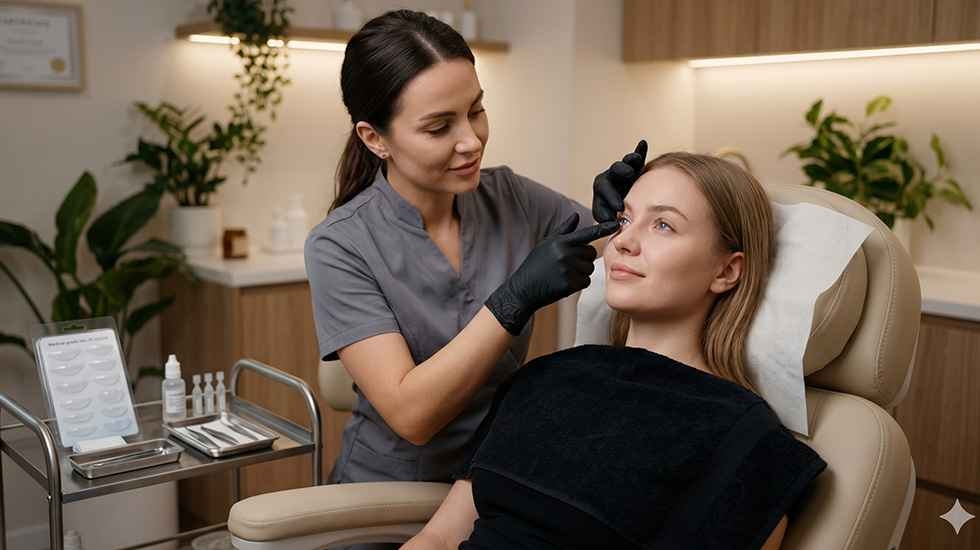
The foundation of eye safety is uncompromising sanitation. The biggest mistake made in salons is relying on standard micellar water, alcohol-based toners, or cosmetic makeup wipes. These are entirely insufficient for preparing the eye biome, especially for clients prone to sensitivity, dry eyes, or past blepharitis.
Makeup wipes physically smear and push debris, oils, and bacteria deeper into the lash root rather than extracting it. Furthermore, micellar water leaves behind a microscopic film of glycols and surfactants that act as a barrier, preventing your lash adhesive and perming lotions from penetrating the hair cuticle evenly.
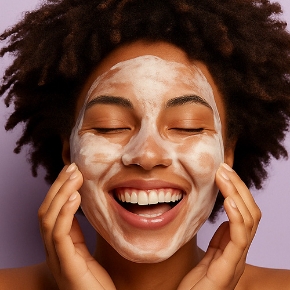
To safely prep a sensitive eye, you must use an ophthalmologically tested, pH-balanced foaming cleanser. We highly recommend utilizing the My Lamination Cleansing Foam 4-in-1. This specific formulation eradicates heavy oils, dead skin cells, and dangerous bacteria without stripping the skin's natural lipid barrier or triggering a stinging sensation.
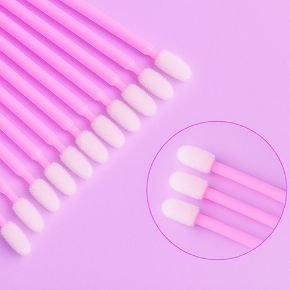
However, applying the best foam with fingers or harsh cotton swabs is a procedural mistake. Cotton fibers can snag on lashes and irritate the conjunctiva. To ensure thorough removal of biofilm without irritating the delicate eyelid, professionals must use a dedicated lash cleansing brush. The thousands of ultra-soft micro-bristles can penetrate deeply between individual lashes to sweep away contaminants that are invisible to the naked eye.
The 4-Step Clinical Cleansing Protocol:
- Step 1 (Dispense): Ensure the client's eyes are completely closed. Apply a single pump of the cleansing foam directly onto the head of the cleansing brush. Never pump the foam straight onto the client's eye, as the sudden burst of air and liquid can cause a startle reflex.
- Step 2 (Agitate): Gently work the brush into the lash line using soft, downward circular motions. Focus heavily on the root and the spaces between the lashes where sebum, dead skin, and bacteria accumulate. Do not scrub horizontally back and forth, as this pulls the natural lashes out of their follicles.
- Step 3 (Rinse): Flush the eye area completely with a gentle stream of sterile saline solution or distilled water. You must ensure zero residue of the cleanser remains. Left-over surfactants will create a chemical barrier, preventing the water-soluble lash glue from adhering to the silicone shield properly.
- Step 4 (Dry): Use a soft, lint-free tissue to carefully dab the moisture away. Never rub. Use a handheld fan to ensure the lashes are 100% bone-dry before beginning the tape-up and isolation process.
Managing Dry Eye Syndrome During a Lash Perm
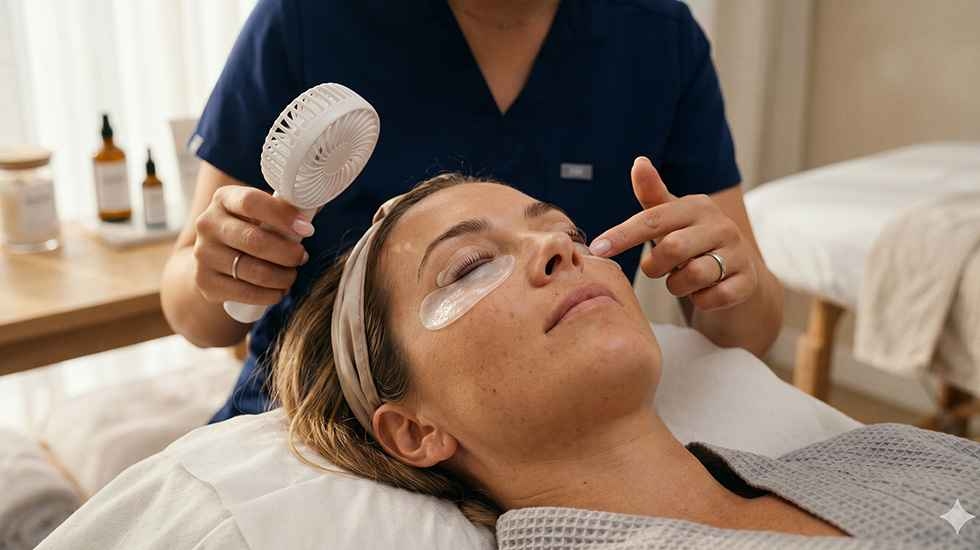
Chronic Dry Eye Syndrome occurs when the tear film is unstable, either because the eyes do not produce enough tears (aqueous deficiency) or because the tears evaporate too quickly (lipid deficiency). During a lash lift, the client must keep their eyes closed for 45 to 60 minutes, often under bright, warm ring lights. This prolonged closure without the natural blinking mechanism can cause severe discomfort, stinging, and a gritty sensation.
Furthermore, standard under-eye pads used to isolate the lower lashes often contain active cosmetic ingredients (like collagen or vitamin C) that can trigger allergic reactions in sensitive individuals, causing the eyes to water excessively and ruin the chemical process.
To mitigate this, salons must switch to hydrating, hypoallergenic under-eye gel pads. These specialized pads provide a soothing, cooling effect without aggressive active ingredients, protecting the delicate under-eye skin and preventing tear evaporation during the procedure.
| Ocular Condition | Symptoms to Look For | Contraindication Status | Required Salon Protocol |
|---|---|---|---|
| Contact Lens Wearer | Visible lens edge, dry feeling. | Conditional | Mandatory removal before prep. Re-insert 2-3 hours post-treatment. |
| Active Blepharitis | Red, swollen margins, crusty roots. | Strictly Contraindicated | Treatment denied. Refer to an ophthalmologist. Treat only in remission. |
| Dry Eye Syndrome | Gritty feeling, light sensitivity. | Safe with Precautions | Use preservative-free eye drops before/after. Apply hypoallergenic hydrating pads. |
Frequently Asked Questions (FAQ) for Sensitive Eyes
Can I go blind from a lash lift if I have sensitive eyes?
No, a lash lift will not cause blindness. The perming lotions are specifically formulated for use near the eye and are applied to the middle of the lash shaft, not the root or the skin. However, improper application leading to a chemical burn on the cornea can cause severe pain and temporary vision blurring, requiring immediate medical flushing.
Can I use my prescription dry eye drops immediately after a lash lift?
Yes. In fact, if you suffer from dry eye syndrome, you should ask your technician to administer a drop of your preservative-free artificial tears immediately after the shields are removed to re-stabilize your tear film. Ensure the drops go directly into the eye and do not soak the freshly permed lashes.
Why do my eyes burn during the procedure even when they are closed?
If your eyes are burning while closed, the silicone shield may be placed too tightly, causing the eyelid to slightly gap and exposing your cornea to the chemical vapors. Speak up immediately so the technician can adjust the shield or use a fan to disperse the fumes.
How long after a lash lift can I wear my contact lenses?
It is clinically advised to wait at least 2 to 4 hours before re-inserting your contact lenses. This allows any residual fumes from the neutralizing lotions to completely dissipate from the lash fibers, ensuring they do not become trapped underneath your lens.
Conclusion: Prioritizing Eye Health Over Aesthetics
A flawless, sweeping lash line should never come at the expense of your ocular health. For individuals with sensitive eyes, contact lenses, or conditions like blepharitis and dry eye syndrome, transparency and proper salon hygiene are your greatest defenders. By enforcing the removal of lenses, strictly evaluating the eyelid for inflammation, and utilizing clinical-grade cleansing tools and hypoallergenic pads, both clients and technicians can ensure a completely safe, irritation-free experience.
Never compromise on the quality of the products used near your eyes. For professionals seeking to elevate their safety standards and for clients demanding the purest, most stringently tested medical-grade beauty supplies, explore the full clinical range at Winlash. Safeguard your vision and let your natural beauty shine with absolute confidence.