
Quick Access: Why Retention Fails
- The Biology of Sebum: Why Oily Skin Rejects Pigment
- The "Ghosting" Effect: When Prep Goes Wrong
- Professional Skin Prep Protocol (Step-by-Step)
- Retention Matrix: Skin Type vs. Prep Effectiveness
- Comparison: Standard Wash vs. Clinical Prep
- Aftercare Habits That Kill Your Tint
- Frequently Asked Questions (FAQ)
⚡ Quick Summary: The "Longevity" Secret
- The Culprit: Sebum (oil) acts as a waterproof barrier. If the skin isn't chemically de-greased, the tint sits on the oil rather than in the skin cells.
- The Ghosting Effect: Using oil-based micellar waters or heavy creams before tinting guarantees the color will "ghost" or fade within 48 hours.
- The Fix: A 3-step clinical prep—exfoliate, deep cleanse with oil-free foam, and saline dehydration—can increase stain longevity by up to 300%.
There is nothing more frustrating for a client (or a stylist) than a perfect brow map and a crisp tint disappearing after just one or two face washes. We often hear the complaint: "Why did my brow tint fade so fast?" While product quality matters, the biological reality is that the skin’s natural chemistry is the primary gatekeeper of pigment retention. Understanding how to work with—and not against—the skin's lipid layer is essential for anyone using professional lash and brow tint and dye products.
The Biology of Sebum: Why Oily Skin Rejects Pigment
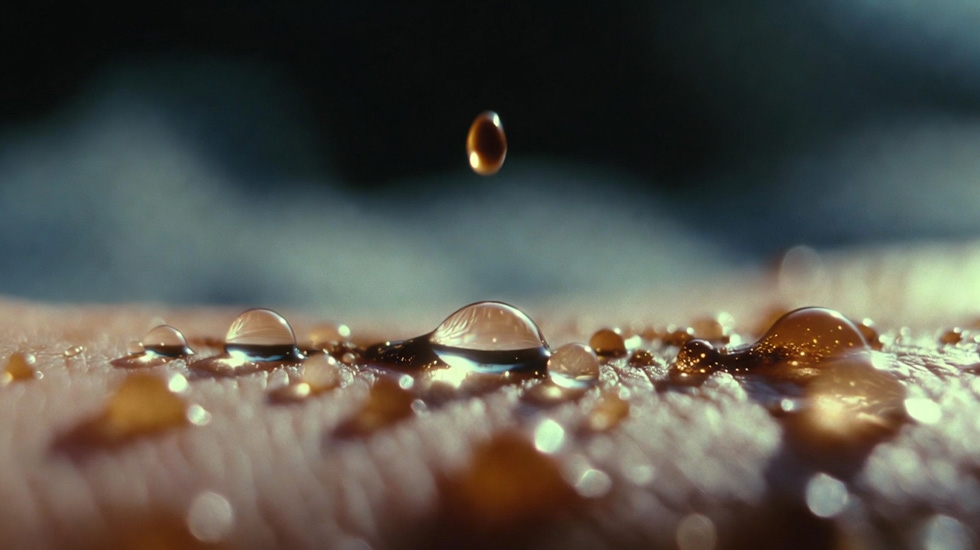
To truly understand why a tint fails, we have to look at the microscopic landscape of the skin. The culprit is almost always the sebaceous glands. These glands are responsible for producing sebum—a complex, oily cocktail of triglycerides, wax esters, and squalene designed to keep our skin waterproof and protected from the environment. While sebum is great for anti-aging, in the context of brow tinting, it acts as a high-performance chemical barrier.
Most professional brow dyes (including hybrid formulas and henna) are designed to bind with the keratin in the hair and the proteins in the stratum corneum (the top layer of skin). However, pigment molecules are often hydrophilic (water-loving), whereas sebum is hydrophobic (water-repelling). When a client has oily skin, a microscopic "oil slick" covers the brow area, creating a physical wall that the pigment simply cannot climb over.
The Lipid Barrier vs. Pigment Bonding
If the tint is applied directly over an oily surface, the pigment molecules are effectively "suspended" in the oil rather than bonded to the skin. This creates a false sense of security; the brows look dark immediately after the treatment because the pigment is sitting in the oil. However, as soon as the client performs their first at-home cleanse, the oil is emulsified and rinsed away—taking the expensive tint with it. This biological rejection is why oily-skin clients often report the most dramatic "2-day fade."
The "Ghosting" Effect: When Prep Goes Wrong
The "Ghosting Effect" is a term used by elite brow artists to describe a tint that looks perfect in the salon but disappears like a ghost within 48 hours. Many stylists unknowingly sabotage their own work during the preparation phase by using the wrong cleansing agents. Standard makeup wipes or even high-end micellar waters are designed to be "gentle," which often means they leave behind a thin film of glycols, glycerin, or oils to keep the skin feeling soft.
The Hidden Residue of Standard Cleansers
While that soft feeling is nice for a daily facial, it is disastrous for a brow stain. This hidden residue acts as a secondary barrier, preventing the chemical reaction between the dye and the skin cells. To achieve a 10-day stain, a clinical-grade, oil-free approach is mandatory. You aren't just cleaning the skin; you are stripping away the "biofilm" that accumulates from skincare and pollution.
Using a high-performance product like the My Lamination Cleansing Foam 4-in-1 is vital. This foam is engineered to break down the molecular bonds of sebum and heavy environmental pollutants without leaving a slippery film behind. It ensures the skin is a "blank canvas," allowing the pigment to sink into the skin's surface rather than sliding off it.
Professional Skin Prep Protocol (Step-by-Step)
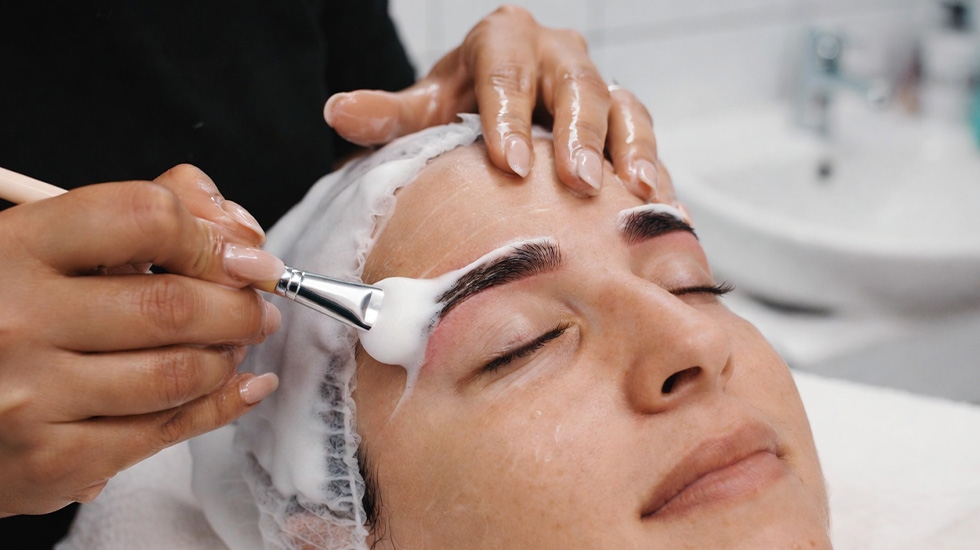
In the beauty industry, longevity is not a matter of luck; it is a matter of protocol. If you want a brow stain to last 7-10 days on the skin instead of the disappointing 2-day fade, you must follow these clinical steps to maximize pigment absorption. This protocol ensures the skin is biologically "hungry" for the dye.
Step 1: Mechanical Exfoliation
The stratum corneum is constantly regenerating, meaning the top layer of skin cells is always on the verge of shedding. If you tint over dead skin cells that are about to fall off, the tint will disappear as soon as those cells naturally detach.
- Action: Use a gentle, non-oil-based brow scrub.
- Purpose: To lift dead skin and clear the "pathway" for the dye, especially in sparse areas where the skin stain is the most visible part of the design.
Step 2: Biological De-greasing (Deep Foam Immersion)
Applying foam with your fingers or a flat cotton pad isn't enough to reach the skin hidden beneath a dense brow. The hair follicles themselves often hold onto pockets of oil that can ruin a crisp tail or a clean front.
- The Tool: You must use a specialized lash cleansing brush.
- The Motion: Work the foam in firm, circular motions through the hair follicles. This ensures every millimeter of skin is physically and chemically stripped of excess sebum.
Step 3: Chemical Priming & Dehydration
Even after rinsing the foam, the skin may still harbor microscopic moisture or surfactants. To lock the color in, the skin needs to be "thirsty."
- The Solution: A final wipe with a saline-soaked pad or a dedicated professional brow primer.
- The Result: This "de-hydrates" the very top layer of the epidermis. When the tint (a liquid) is applied to this dry skin, the skin acts like a sponge, pulling the pigment in deeper and faster than it would on hydrated skin.
Retention Matrix: Skin Type vs. Prep Effectiveness
Understanding how different skin types interact with your prep work allows you to manage client expectations and adjust your technique for the best possible outcome.
| Skin Category | Sebum Level | Stain Challenge | Expected Longevity (with Protocol) |
|---|---|---|---|
| Dry / Normal | Low | Patchy absorption if not exfoliated. | 10 - 14 Days |
| Combination | Medium | T-zone oiliness causes faster fading at the head of the brow. | 7 - 10 Days |
| Very Oily | High | Immediate rejection of pigment if not chemically de-greased. | 5 - 7 Days |
Comparison: Standard Wash vs. Clinical Prep
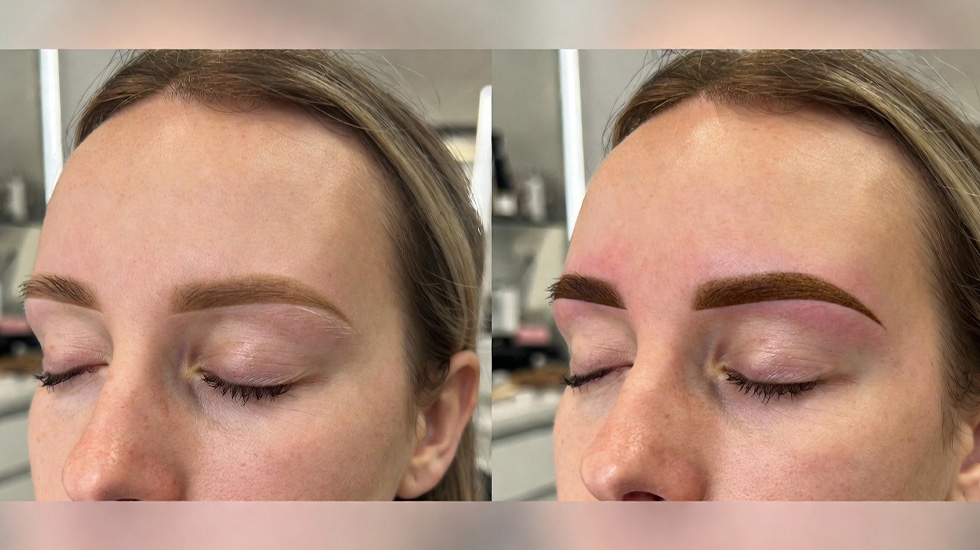
To illustrate the value of proper preparation, we compared the retention results of standard salon prep versus our clinical protocol on oily skin types:
| Prep Method | Skin Absorption | Stain Longevity | Result Quality |
|---|---|---|---|
| Standard (Wipe/Micellar) | Low (Blocked by residue) | 1 - 3 Days | Patchy or "faded" look. |
| Clinical (Foam + Brush) | High (Deep penetration) | 7 - 10 Days | Crispy, sharp, and even. |
Aftercare Habits That Kill Your Tint
Even with perfect preparation, the client’s lifestyle plays a role. Once the tint is locked in, it needs time to "settle." If the client goes to a hot yoga class or uses an oil-based nighttime serum immediately, the steam and oil will lift the pigment back out of the skin cells.
We recommend a 24-hour "No Touch" rule. No water, no steam, and definitely no oil-based cleansers. To maintain the shine of the hair while protecting the skin stain, a lightweight, protective barrier like the My Lamination Inspiration Balm can be used sparingly. It keeps the hair hydrated without the heavy oils that would dissolve the skin stain.
Frequently Asked Questions (FAQ)
Why did my tint turn green or ashy after two days?
This is often a result of high sebum production interacting with the dye’s cool undertones. When oil mixes with fading pigment, it can alter the visual color. This is why clinical-grade de-greasing is essential for clients with oily skin.
Can I use a face scrub to make my tint last longer?
Actually, the opposite is true. While exfoliation *before* tinting is good, exfoliating *after* will scrub the tinted skin cells away, causing the color to disappear instantly. Keep scrubs away from the brows for at least 7 days.
Does sweat affect brow tint?
Yes. Sweat contains sodium chloride (salt), which is a natural dehydrator. If you sweat heavily within the first 24 hours, the salt can crystallize on the tint and pull the moisture—and the color—out of the skin.
Conclusion: Long-Lasting Results Start with Clean Skin

If your brow tint is fading fast, the solution isn't necessarily a different color; it's a different prep protocol. By addressing the biology of sebum and using the right clinical tools, you can transform a 2-day stain into a week-long masterpiece. Quality artistry deserves quality preparation.
Ready to upgrade your results? Invest in the professional tools and clinical prep formulas used by Dubai’s top brow artists. Explore the full range at Winlash and give your clients the longevity they deserve.