

Quick Access Navigation Menu
- 1. The Technical Blueprint: How Each Treatment Works
- 2. Pain Levels, Healing Windows, and Skin Barrier Impact
- 3. Longevity vs. Long-Term Commitment and Fading Profiles
- 4. Financial Investment and Daily Maintenance Protocols
- 5. The Brow Transformation Comparison Matrix
- 6. Frequently Asked Questions (FAQ)
- 7. The Bottom Line: Which Brow Path Wins?
When searching for the ultimate way to achieve full, structured, and perfectly defined eyebrows, two dominant trends consistently lead the conversation: Brow Lamination and Microblading. Both promises beautiful brow transformations, yet their methodologies, biological impacts, and commitments couldn't be more different. Deciding which path to take requires cutting through the marketing hype and evaluating how each treatment interacts with your hair biology, lifestyle, and pain tolerance.
Modern brow care has evolved beyond one-size-fits-all solutions. Many consumers are moving away from permanent invasive alterations in favor of adaptable, specialized lash and brow lift products that work naturally with existing hair anatomy. This scientific, unbiased diagnostic breakdown compares the exact mechanics of brow lamination versus microblading so you can invest your time and money with absolute confidence.
1. The Technical Blueprint: How Each Treatment Works
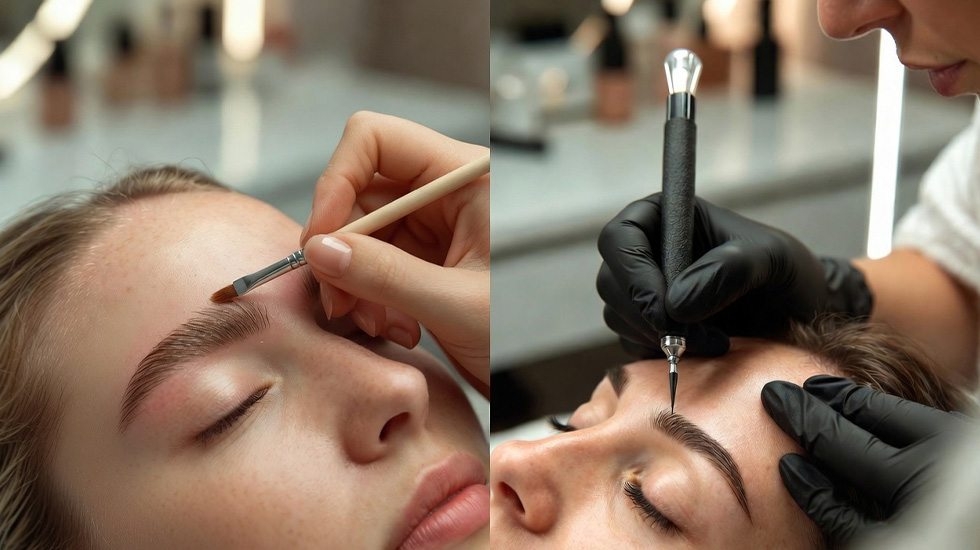
The fundamental difference between microblading and brow lamination comes down to where the modification takes place: inside the skin or strictly inside the hair structure itself.
Microblading is a form of semi permanent cosmetic tattooing. A technician uses a manual tool equipped with a cluster of micro-needles to slice fine, superficial cuts into the upper layer of the dermis, depositing pigment to mimic individual hair strokes. It relies entirely on creating a visual illusion of hair where none exists.
Brow Lamination, by contrast, is a non invasive eyebrow treatment focused on chemical hair restructuring. Instead of penetrating the skin, the lamination solution relaxes the internal disulfide bonds within the eyebrow hairs. This allows the hair strands to be molded, flattened, and brushed upward into a full, feathery, and uniform trajectory, maximizing the surface area of your natural hair.
2. Pain Levels, Healing Windows, and Skin Barrier Impact
Because their biological entry points differ, their physical toll on your comfort and skin health varies wildly.
Microblading physically breaches the epidermal skin barrier. Even with topical numbing creams, the scraping sensation can cause discomfort, minor bleeding, and swelling. Because it leaves open micro-wounds, it requires a rigid 7 to 14-day healing window characterized by scabbing, flaking skin, flaking pigment, and strict avoidance of water to prevent deep bacterial infections.
Brow lamination involves zero skin trauma and absolute zero pain. The active solutions are brushed topically over the hair fibers. While individuals with extreme skin sensitivities might experience mild localized redness, there is no open wound, no scabbing phase, and no down time. The only restriction is keeping the area dry for the first 24 to 48 hours while the chemical bonds reset permanently.
3. Longevity vs. Long-Term Commitment and Fading Profiles
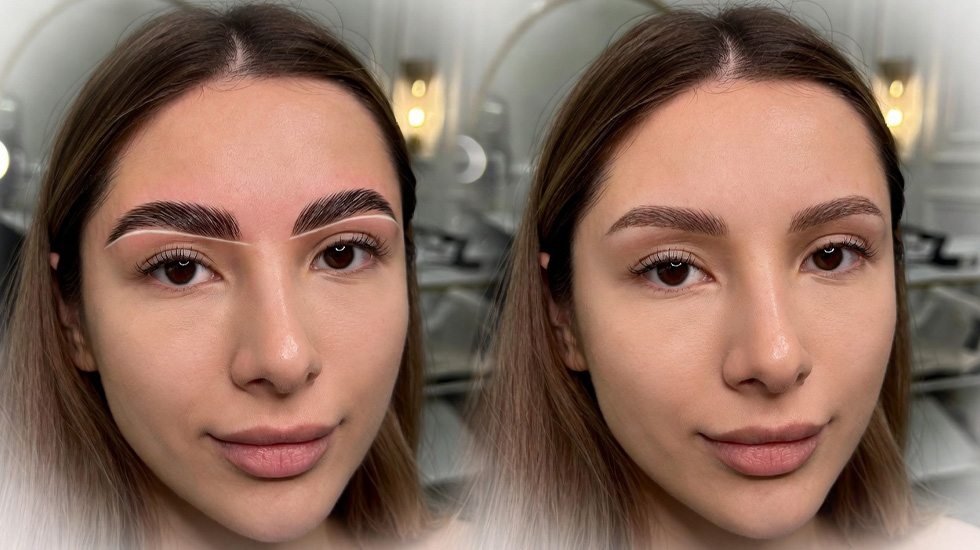
If you want a treatment you can set and forget for a year, microblading offers extended duration, lasting anywhere from 12 to 18 months depending on skin oils and metabolism. However, this longevity comes with a major catch: permanent commitment. Over time, pigment fading can cause the ink strokes to blur, expand, or shift into unappealing iron-oxide gray, blue, or salmon-pink hues underneath the skin, requiring expensive laser corrections.
Brow lamination yields a flawless brow fluffing retention period of 6 to 8 weeks, mirroring the natural lifecycle of human eyebrow growth. As your natural hairs shed and regenerate, the lamination gently fades away without leaving any artificial discoloration or permanent skin staining behind. This allows you to easily adjust your brow shape, style trends, or baseline appearance multiple times throughout the year.
4. Financial Investment and Daily Maintenance Protocols
Microblading requires a massive upfront financial commitment, usually running from $400 to $1,200 for an initial session and mandatory touch-ups. If you are unhappy with the hand-drawn symmetry, you are stuck with the results for months.
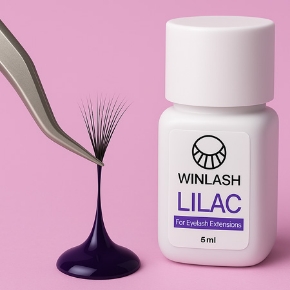
Brow lamination provides a highly economical and highly versatile solution. For consistent salon results or safe at-home styling routines, choosing an ultra-nourishing, premium system like the My Lamination Lash & Brow Lift Kit guarantees advanced structural accuracy without triggering harsh barrier reactions. If you are exploring various styling methods, reviewing a comprehensive best brow lamination kit guide helps you select professional-grade formulas that deliver optimal, chemical-safe hair redirection at a fraction of salon microblading fees.
The Brow Transformation Comparison Matrix
| Comparison Variable | Brow Lamination (Topical Hair Lift) | Microblading (Cosmetic Dermal Tattoo) |
|---|---|---|
| Invasiveness & Pain | 100% Non-invasive; zero pain or discomfort. | Invasive; requires skin slicing; mild to moderate pain. |
| Biological Action | Disulfide bond restructuring of natural hair fibers. | Epidermal skin barrier breach to deposit ink pigments. |
| Lifespan & Fading | 6 to 8 weeks; fades naturally with hair cycle. | 12 to 18 months; can fade into gray/pink undertones. |
| Downtime / Recovery | No down time; keep dry for 24 to 48 hours. | 7 to 14 days; scabbing, peeling, and infection risks. |
| Ideal Candidate | Anyone with natural hair needing volume and shape. | People with severe hair loss or bare brow arches. |
6. Frequently Asked Questions (FAQ)
Is brow lamination better than microblading for people with sparse or thin eyebrows?
It depends on the presence of natural hair. If you have fine, light, or stubborn hairs, brow lamination is significantly better because it rearranges existing fibers to cover gaps and build realistic volume without skin trauma. However, if a medical condition causes total hair loss, microblading is necessary to draw artificial hair lines onto bare skin.
Can I safely get a brow lamination service if I already have old microblading tattoos?
Yes, combining the two is highly effective for masking faded tattoo lines. Once the dermal layer has fully healed from microblading, lamination topically redirects your natural hairs over the old ink, adding real three-dimensional texture to soften blurred edges and create a more modern, natural appearance.
Does brow lamination damage hair follicles or skin over time like microblading scars?
Unlike microblading, which can cause dermal scarring after multiple repeated treatments, brow lamination places no structural strain on the follicle matrix when performed properly. Using certified, vitamin-infused lamination kits and applying nourishing daily conditioning serums ensures hairs remain perfectly hydrated and completely healthy.
7. The Bottom Line: Which Brow Path Wins?

Choosing between microblading and brow lamination comes down to your personal beauty philosophy, pain tolerance, and budget. If you require absolute zero downtime, prefer a completely natural texture, and want the flexibility to adapt your look without risking ink disfigurements or permanent scarring, brow lamination stands out as the superior, modern, and safer alternative.
Flawless facial styling relies on absolute product purity and scientific precision. Elevate your brow game safely by sourcing premium, professional-grade lamination components, gentle texturing systems, and expert aftercare tools directly from the gold standard at WinLash. Explore the elite destination for safe beauty solutions, and unlock your true brow potential today.