
Emergency Navigation Menu
- The Science of Over-Processing: Why Brows Turn Too Dark or Ashy
- Protocol 1: Mechanical De-pigmentation (The Immediate Emulsification)
- Protocol 2: Neutralizing the Undertone (The Lipid Optical Shift)
- Troubleshooting Matrix: Quick Salon Fix Guide
- Frequently Asked Questions (FAQ)
- Conclusion: Protecting Hair Integrity First
⚡ The "Don't Panic" Emergency Card
- The Cause: High hair porosity (especially after a brow lamination) acts like a sponge, absorbing dye too rapidly and pulling muddy, over-darkened, or ashy tones.
- The Myth to Avoid: Never use dish soap, baking soda, or harsh facial scrubs. These will disrupt the skin's moisture barrier, cause chemical dermatitis, and split the hair shaft.
- The Professional Fix: Immediate mechanical emulsification within the first 24 hours using a high-alkaline oil-free foam, followed by a lipid-heavy neutralizing balm to alter the optical tint density.
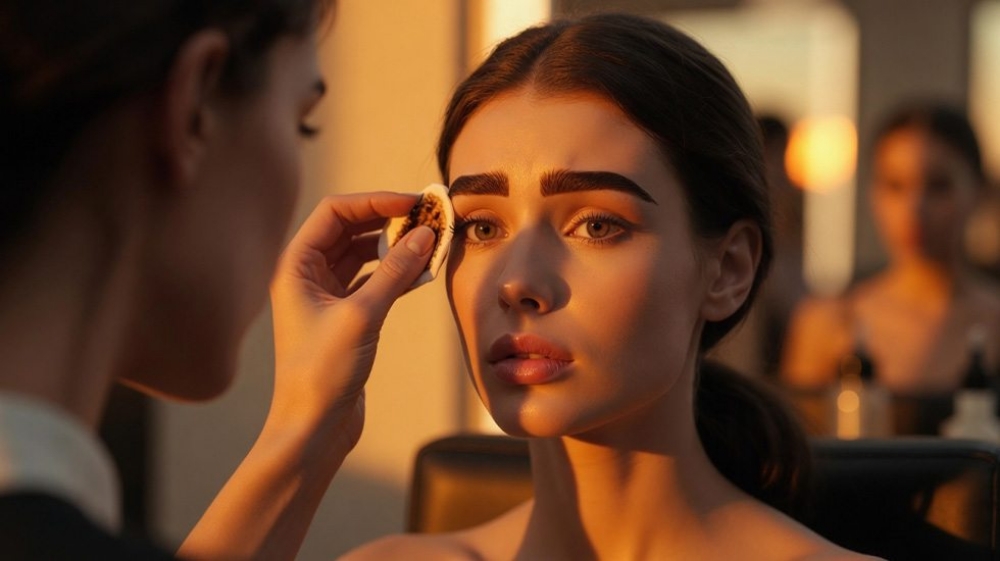
Every professional brow artist and beauty enthusiast has experienced that heart-stopping moment: you wipe away a fresh application of dye, only to find the client's brows are aggressively dark, muddy grey, or flashing an unnatural hollow green undertone. When a tint goes wrong, the immediate reaction is often panic. However, in the professional beauty industry, color anomalies are treated with chemistry, not stress. Managing over-saturated pigment requires a deep understanding of hair porosity and the mechanics of professional lash and brow tint and dye formulations.
This clinical, step-by-step troubleshooting guide outlines how to reverse over-processed brow transformations safely, protecting the hair's biological health while restoring a flawless, natural tone.
The Science of Over-Processing: Why Brows Turn Too Dark or Ashy
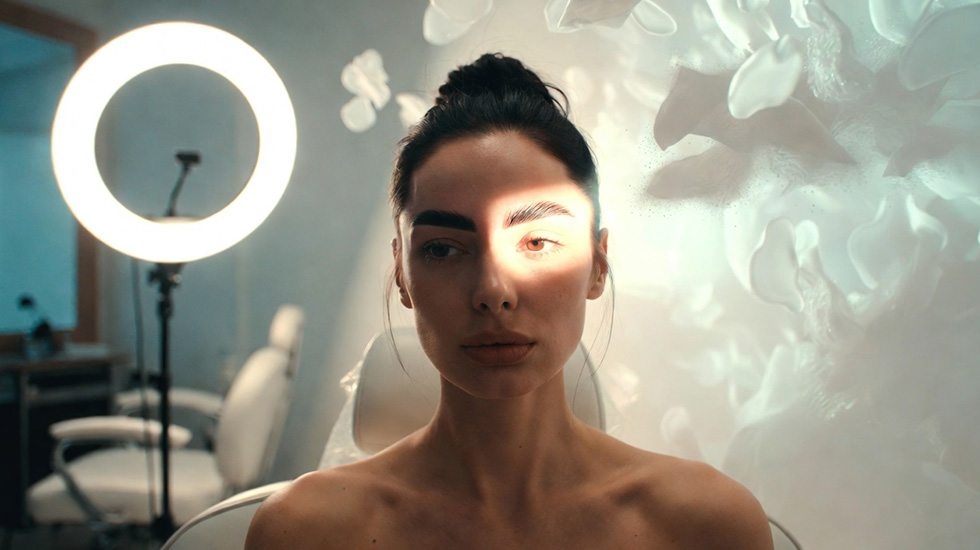
To understand why an eyebrow tint pulls aggressively dark or unnatural, we have to look directly at the structural integrity and porosity of the hair fiber. Hair porosity refers to your hair's physiological ability to absorb and retain moisture, liquids, or chemical formulations. In a normal state, the cuticle scales lay flat, regulating how fast external products enter the hair shaft. However, when a client has recently undergone a brow lamination, that defensive system is completely altered.
During the chemical lamination process, highly alkaline perming lotions are applied to break down the hair's internal disulfide bonds, allowing the stylist to reshape and lift the brow alignment. A direct side effect of breaking these structural bonds is that the protective outer cuticle scales are forced wide open and remain highly vulnerable. If you immediately apply a standard oxidative dye to a highly porous, freshly laminated brow without adjusting your timing, the hair fiber behaves like a dry sponge in water.
It sucks the pigment molecules deep into the cortex instantly. What normally takes 10 full minutes to process on virgin hair can occur in under 60 seconds on an over-processed, highly porous post-lift brow. When active pigment completely over-saturates the inner cortex, the light waves can no longer reflect off the hair's interior marrow. This lack of light refraction is what makes the eyebrow appear visually dense, ink-black, or muddy grey, completely ruining a soft, natural aesthetic.
The Physics of Optical Saturation
When the hair cortex is packed tightly with synthetic oxidative pigments, it loses its natural transparency. Under a microscope, the hair becomes opaque. This means even under direct salon ring lights or natural Dubai sunlight, the brows will look flat, heavy, and artificially painted on. The key to prevention is reducing processing times by at least 50% on any hair structure that has undergone recent chemical alterations.
The Mystery of the Green Undertone
Why do some brow tints turn a shocking, visible green or muddy khaki color during removal? The answer lies within basic color theory and product formulation. All ash-based, dark brown, cold deep brown, and graphite brow tints rely heavily on a dominant blue or green base pigment. This base pigment is scientifically necessary to suppress and counteract the natural warm orange and brassy red undertones that exist inside human hair melanin.
If the chemical dye formulation processes too quickly due to high porosity, or if the client's hair has a structural lack of warm pheomelanin (which is incredibly common in natural blondes, grey hair, or chemically lightened brows), the cool base pigment dominates the canvas. Because there are no warm undertones to fight against, the blue-green raw dye overpowers the hair shaft. The result is a highly visible, cold olive or green cast across the brow map that looks highly clinical and unwearable.
Protocol 1: Mechanical De-pigmentation (The Immediate Emulsification)
If you catch the over-processing error immediately in the salon chair—or within the critical first 24 hours at home—there is a major scientific advantage: the synthetic pigment has not completely finished its internal oxidation and crystallization process inside the hair cortex. This means a significant percentage of the excess color molecules are still resting loosely within the outer cuticle layers and staining the surface of the skin.
The most important rule here is a people-first safety warning: do not let the client scrub their delicate eye area with volcanic rock particles, abrasive physical scrubs, or harsh facial acids like salicylic or glycolic acid. These aggressive materials will disrupt the already sensitive skin barrier, cause contact chemical dermatitis, and physically fracture the vulnerable hair shaft. Instead, utilize a deep, non-destructive mechanical emulsification process.
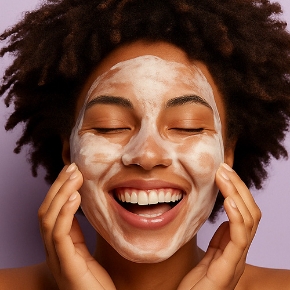
Applying a specialized formula like the Professional Foam Cleanser is your definitive first line of defense. This high-density, surfactant-rich foam is engineered to physically surround the loose, un-oxidized dye molecules, lifting them cleanly away from the hair shaft and skin cells before they can permanently lock down and crystallize.
The Deep Cleansing Technique
To execute this immediate de-pigmentation protocol flawlessly in the salon or at home, follow these precise steps:
- Step 1 (Dispense): Apply a dense, generous pump of the oil-free foam cleanser directly onto the compromised brow area, ensuring the hair is completely saturated from root to tip.
- Step 2 (Agitate): Using a firm, sterile micro-bristle styling brush, work the dense foam into the hair using deep, controlled circular motions. This mechanical action allows the surfactants to slip beneath the open cuticle scales.
- Step 3 (Dwell Time): Let the active foam sit undisturbed on the brow for 2 to 3 minutes. The formulation will safely open the surface cuticle layer a fraction more, actively drawing out the dark pigment residues.
- Step 4 (Extract): Wipe the area clean using a firm, damp cotton pad. You should repeat this exact process up to three times. You will visually see the runoff water transition from a dark, muddy grey color to a completely transparent clear fluid, signaling that the surface pigment has been thoroughly extracted.
Protocol 2: Neutralizing the Undertone (The Lipid Optical Shift)
If multiple rounds of mechanical washing leave the eyebrow hair safely lightened, but the underlying color tone remains stubbornly ashy, ghostly grey, or swamp-green, you must shift your strategy from cleansing to color optics. You cannot simply patch another layer of dark dye over the brow to fix the mistake; adding more chemicals will only cause deeper damage and further darken the brow. Instead, you must change how ambient light physically interacts with the internal hair fibers using a lipid-heavy optical shift.
When hair cuticles are chemically dehydrated, dry, and hollow inside, they naturally swallow light waves, dramatically exaggerating dark, flat, and intensely cool tones. By flooding the damaged hair cortex with heavy, ultra-specialized botanical lipids and essential fatty acids, you chemically compress the open cuticle scales back down to a smooth, flat plane. This instantly alters the refractive index of the hair shaft, immediately lifting the visual color profile by up to two full shades and organically warming up cold tones.
To execute this advanced optical color correction safely without altering the lamination shape, we highly recommend an intensive restructuring treatment using the My Lamination Inspiration Balm. This clinical-grade formulation contains a highly concentrated, masterfully balanced cocktail of structural lipids, plant proteins, and vitamins that actively penetrate the damaged, porous cortex.
The Thermal Occlusion Method
For an advanced salon-level fix, apply the balm using a targeted thermal protocol to guarantee deep penetration into the hair cortex:
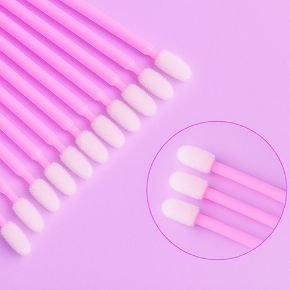
- Application: Using a clean disposable applicator, coat the entire eyebrow heavily with the rich lipid balm, ensuring you brush the product against the direction of hair growth to saturate the roots.
- Processing (Occlusion): Place a small piece of professional plastic cling wrap tightly over the coated brows. Apply a warm, damp compress towel over the plastic layer, allowing it to rest for 5 to 10 minutes.
- The Outcome: The mild thermal heat forces the nourishing, heavy lipids deep past the open cuticles and straight into the hair shaft. This action physically expands the compacted pigment molecules inside, instantly softening the harshness of the synthetic dye and neutralizing cold green or muddy grey undertones into a rich, luminous, and healthy chocolate brown.
Troubleshooting Matrix: Quick Salon Fix Guide
When an error occurs, use this professional diagnostic chart to safely match the symptom with its clinical salon solution:
| Visual Error | Underlying Cause | The Emergency Salon Fix |
|---|---|---|
| Ink-Black / Over-Darkened | High hair porosity or leaving the tint on too long post-lamination. | 3 rounds of intensive surfactant washing with oil-free foam cleanser. Avoid drying agents. |
| Hollow Green / Khaki Cast | Cool-base pigments dominating porous blonde or grey hair structures. | Apply a lipid balm under a warm compress to compress cuticles and warm up the optical undertone. |
| Ashy / Muddy Grey Shadows | The dye has deeply stained dead skin cells in dry patches of the brow map. | Gentle mechanical exfoliation with a cream-based scrub followed by heavy oil hydration. |
Frequently Asked Questions (FAQ)
Can I use baking soda or lemon juice to lighten my eyebrows at home?
Absolutely not. Baking soda has an incredibly high, abrasive pH that swells the hair cuticle past its breaking point, causing the eyebrow hairs to snap or fall out. Lemon juice is highly acidic and, when exposed to daylight, triggers a phototoxic reaction that can chemically burn the delicate skin around your eyes.
How long does it take for an over-darkened brow tint to fade naturally?
A standard skin stain will naturally shed within 3 to 7 days as your skin cells regenerate. However, the pigment trapped inside the hair cortex will take roughly 3 to 4 weeks to fade significantly through daily face washing and exposure to UV light.
Will a dark tint ruin my brow lamination results?
The color itself will not affect the shape of your lamination, but if you try to scrub the color out using harsh rubbing or aggressive chemicals, you will dehydrate the hairs, causing them to frizz, curl, and lose their sleek lamination alignment.
Conclusion: Protecting Hair Integrity First

In the luxury beauty industry, mistakes happen, but a great stylist is defined by how effortlessly they correct them. When a tint pulls too dark, remember that protecting the biological integrity of the hair fiber is always your first priority. By applying professional surfactant emulsification and utilizing heavy lipid neutralizers, you can quickly soften any color crisis without risking hair loss or skin irritation.
The secret to avoiding color disasters is equipping your salon station with the industry's most reliable, scientifically advanced chemical systems. Explore premium, stable formulation lines and advanced restorative aftercare products directly through Winlash, where absolute quality guarantees predictable, stunning beauty results every single time.