

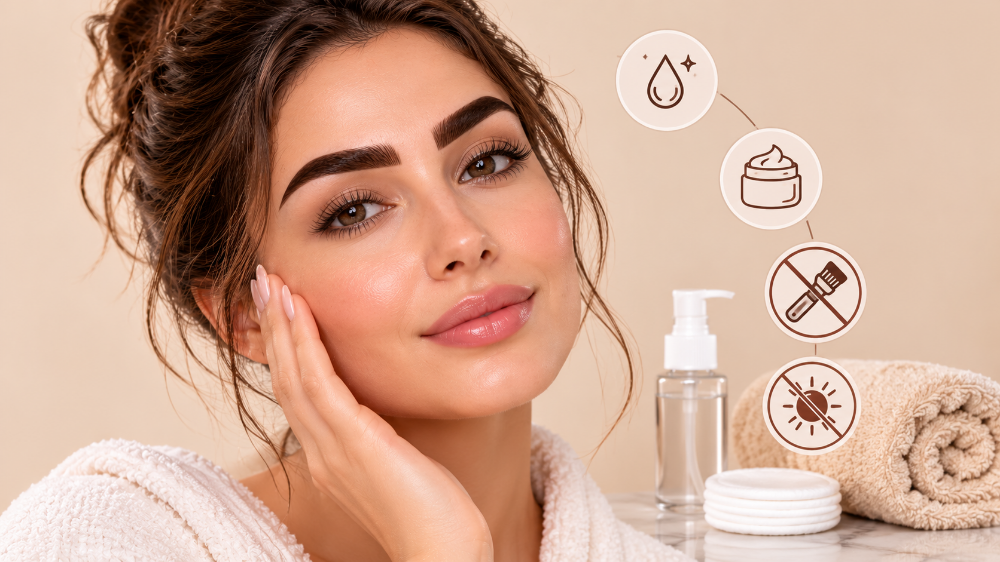
Brow henna aftercare starts with protecting the fresh stain from water, friction and strong skincare while it settles. Many salons advise keeping the brows dry and avoiding makeup, steam and exfoliating products during the first 24 hours; some protocols extend those precautions to 48 hours. The exact instructions supplied with the henna system should take priority. For artists planning a service, explore the professional henna range at WinLash.
This guide turns those precautions into a clear aftercare routine: what clients should do immediately after treatment, how to care for the brows after the first two days, why skin stain and brow-hair colour fade differently, and how to respond to common problems. It also includes a short message Brow Artists can send to clients after an appointment.
- Give clients one clear timeline, but follow the instructions for the exact henna product used.
- During the early setting period, reduce direct wetting, rubbing, heavy sweating, steam, makeup and strong skincare around the brows.
- Aftercare should protect the skin stain without encouraging aggressive cleansing or exfoliation.
- The stain on the skin and the colour on brow hairs do not fade in the same way.
- Itching, burning, rash or blistering is not a normal aftercare target; stop cosmetic use and seek suitable medical advice.
Quick Access to This Article
- What to Do in the First 24–48 Hours After Brow Henna
- How to Care for Henna Brows After the First 48 Hours
- How Long Do Henna Brows Last, and How Does the Colour Fade?
- Brow Henna Aftercare Problems and How to Handle Them
- Brow Henna Aftercare Checklist for Brow Artists to Share With Clients
- Frequently Asked Questions
- Conclusion
What to Do in the First 24–48 Hours After Brow Henna
.jpg "Brow Henna Aftercare Timeline: First 48 Hours")
The first day is when clients are most likely to disturb the fresh result accidentally. A quick shower, face wash, workout or makeup application can expose the brow area to water, heat, sweat, friction or skincare products. Give the client a specific plan before they leave the salon rather than a vague instruction to “be careful.”
| Time after treatment | Practical aftercare | What the client should remember |
|---|---|---|
| First 24 hours | Keep the brow area dry where possible; avoid rubbing, brow makeup, steam and heavy sweating. | Do not scrub or repeatedly wipe the stain to check whether it has developed. |
| 24–48 hours | Continue any restrictions required by the product or Brow Artist; keep strong skincare and friction away from the treated area. | Some systems recommend a longer 48-hour precaution window. |
| After 48 hours | Return to gentle cleansing and normal activities gradually, while avoiding unnecessary exfoliation over the brow stain. | Use the aftercare advice provided for the specific formula. |
Keep Your Brows Dry and Know When You Can Shower or Wash Your Face
For the first 24 hours, many brow-care routines recommend avoiding direct water on the treated area. If the client needs to shower, they do not necessarily need to avoid showering altogether: the practical aim is to keep the brow area out of the direct stream, avoid prolonged hot steam and prevent water from running repeatedly over the stain. A face wash can be adapted by cleansing around the brows and carefully drying the surrounding skin without rubbing across them.
Some salons and product systems extend the dry period to 48 hours. Do not present either timeframe as a universal manufacturer rule. Check the instructions for the henna used and give the client the same advice consistently.
Avoid Steam, Sweating, Swimming and Direct Sun Exposure
Hot showers, saunas, steam rooms, strenuous workouts and swimming can make it harder to keep the brow area undisturbed. During the initial aftercare window, recommend avoiding activities that cause heavy perspiration or repeated water exposure. Also advise clients not to rub the brows dry with a towel after bathing or exercise.
For outdoor activities, avoid unnecessary prolonged sun exposure while the skin is settling. Do not apply a new sunscreen or active skincare product directly over freshly treated brows unless the product instructions and the Brow Artist confirm it is appropriate.
Hold Off on Brow Makeup and Products Around the Treated Area
Clients should avoid filling, concealing or styling the brow area with makeup during the initial period recommended by the treatment provider. Brow pencils, gels, powders and makeup removers can involve friction or ingredients that interfere with the freshly stained area. The same caution applies to facial products that are spread across the forehead and brows, even when they are not marketed as brow products.
How to Care for Henna Brows After the First 48 Hours
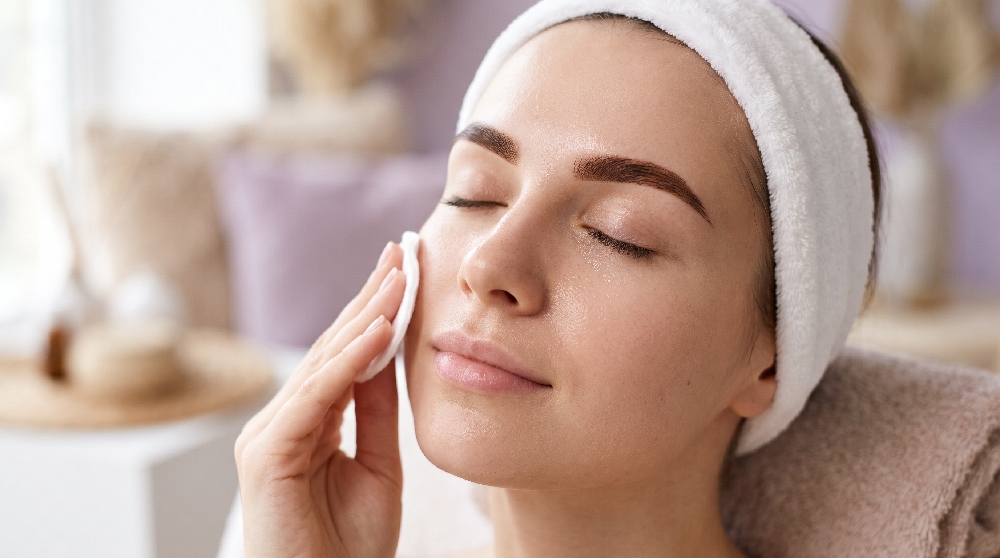
Once the initial aftercare period has passed, clients can return to a normal routine gradually. The goal is not to keep the brows untouched forever; it is to avoid unnecessary friction and harsh products that may make the skin stain fade faster or irritate the area.
Cleanse Gently and Avoid Rubbing or Friction
Use a mild cleanser appropriate for the face and avoid scrubbing the brow area with cleansing brushes, textured cloths or exfoliating pads. Pat the skin dry rather than rubbing it. Clients who remove makeup should take care not to repeatedly sweep a cotton pad back and forth over the brow stain.
There is no need to leave normal skin hygiene behind. Gentle, consistent cleansing is preferable to aggressive attempts to preserve the colour, which can irritate the skin and disturb the brow area.
Understand How Oils, Scrubs, Acids and Retinoids Affect the Skin Stain
Exfoliating scrubs, peeling acids and retinoid products increase skin turnover or involve direct friction. Applying them over the brow area may shorten the visible life of a surface stain or cause irritation, especially soon after treatment. Clients using active skincare should apply it carefully around the brows and avoid deliberately exfoliating the stained skin.
Oil-based cleansers and rich products are not automatically harmful to every henna formula, but they may affect stain retention depending on the ingredients and how they are used. Avoid making a universal “all oils remove henna” claim. The safer professional advice is to follow the product-specific aftercare directions and keep cleansing simple if the client wants to preserve the skin stain.
Can You Use Brow Oil or a Brow Henna Conditioner?
A conditioning product may be intended to soften brow hairs, support the feel of the hair or maintain the appearance of the brows. That does not automatically mean it will preserve a stain on the skin. Skin stain and brow-hair conditioning are two different goals, so check whether the product is specifically recommended for use after the henna service and when it should be applied.
Do not recommend an oil or conditioner simply because it is labelled for brows. Confirm its ingredients, intended use and compatibility with the henna system first. The current WinLash henna listing provides application information, but it does not publish a dedicated post-treatment conditioner or a universal aftercare timeline.
How Long Doy Henna Brows Last, and How Does the Colour Fade?
.jpg "Skin Stain vs Brow Hair Colour After Henna")
An explanatory comparison, not a guaranteed fading schedule for every henna product.
Henna brow results can look different over time because the treatment may colour both the skin beneath the brows and the brow hairs themselves. The skin stain is a surface result that gradually softens, while colour on the hairs remains with the treated hair until it grows out or sheds. These two parts should not be judged as though they have the same lifespan.
Skin Stain vs Brow Hair: Why They Fade at Different Rates
The visible stain on the skin is affected by cleansing, friction, exfoliation, sebum and the skin’s natural renewal. Brow-hair colour is attached to the hair fibre, so it changes as the hairs grow and are naturally shed. This is why a client may notice the skin looking less defined while the brow hairs still appear tinted.
Do not promise a fixed number of days or weeks unless the specific manufacturer provides a supported result range for its formula and intended technique. Even then, explain that the client’s skin condition, preparation, routine and application method can change the outcome.
What to Expect as the Skin Stain Fades Over the First Two Weeks
During the first few days, the skin stain may soften and become less pronounced. By the two-week point, some clients may see little remaining skin colour while others may still notice a light stain. There is no reliable universal “two-week result” for every henna product or skin type.
When a client asks whether their henna has disappeared too quickly, assess the skin stain and the brow-hair colour separately. Ask about cleansing, exfoliation, oil-based products, swimming and rubbing before concluding that the treatment itself failed.
How Oily Skin and Daily Habits Affect Colour Retention
Skin condition and daily routine can affect how clearly a surface stain remains visible. Frequent cleansing, exfoliation, friction and products applied over the brow area may reduce the appearance of the skin stain. Oily skin can also change the way a product sits on the skin, but it should not be treated as the only explanation for a short-lasting result.
For Brow Artists, the useful step is to record the client’s skin type, preparation method, formula, processing instructions and aftercare feedback. This makes future consultations more specific than simply telling every client to avoid oil.
Brow Henna Aftercare Problems and How to Handle Them
Not every unexpected result needs correction. Some changes are part of the normal fading process, while irritation or a visibly uneven stain may need the Brow Artist to review the treatment. Encourage clients to contact the salon before trying home remedies or repeating the treatment.
What to Do If Your Henna Brows Look Too Dark
A fresh henna result can look stronger than the client expected, particularly when the skin stain is clearly defined. Explain that the appearance may soften as the surface colour fades, but do not promise that it will reach a particular shade by a particular day.
Advise the client not to scrub, bleach, use strong acids or apply household products to lighten the brows. These methods can irritate the skin and may create an uneven result. If the colour appears outside the agreed shape or the client is concerned, ask them to send a clear photo and arrange a professional assessment.
Why the Stain May Look Patchy or Fade Unevenly
Patchiness can have several possible causes, including uneven skin preparation, inconsistent application, different skin conditions across the brow area, friction, exfoliation or frequent cleansing. Dry or flaky skin can also make a surface stain appear less even. The exact cause cannot be identified from the colour pattern alone.
Review the treatment record and ask what the client has applied since the appointment. Avoid advising immediate reapplication without checking the skin and the product’s recommended interval.
When Itching, Swelling or Blistering Needs Professional Attention
Itching, burning, a rash, swelling or blisters should not be dismissed as normal colour development. Stop applying cosmetic products to the area and advise the client to seek medical advice, particularly if symptoms are worsening or affecting the eyelids. Severe facial or throat swelling, breathing difficulty or faintness requires emergency medical help.
The NHS guidance on hair dye reactions describes symptoms such as burning, itchy rash and blisters, and explains when a reaction needs urgent help. This is general hair-dye safety guidance; it does not establish that every henna formula contains the same ingredients.
Brow Henna Aftercare Checklist for Brow Artists to Share With Clients
A good aftercare handover is short, specific and easy to follow. Before the client leaves, confirm the product used, explain the first-day restrictions, tell them when to resume gentle cleansing and give them a clear way to contact the salon if they have a concern.
Tailor the Instructions to the Henna Brand and Treatment
Do not copy one brand’s aftercare timeline onto every henna service. Check the product’s instructions and ingredient information, and record the shade, preparation method and any product-specific precautions. For example, the WinLash listing for HD CC Brow Henna identifies a 5 g product and lists ten shade options. Its online directions describe preparation, mixing, application and removal; they do not specify a dedicated post-treatment aftercare period. Brow Artists should therefore use the package or manufacturer’s current instructions for the aftercare timing rather than attribute a generic 24–48-hour rule to that product.
Keep a record of the client’s skin condition, any sensitivity history, the product and shade used, and the aftercare instructions provided. Follow the manufacturer’s allergy-test policy and local rules. A previous uneventful treatment does not guarantee that a client will never develop sensitivity.
Give Clients a Simple First-48-Hour Aftercare Card or WhatsApp Message
The following message can be adapted to the exact henna system and sent after the appointment. Add the treatment date and any brand-specific instructions before sending it.
Brow Henna Aftercare — Client Message
Thank you for visiting us. To help care for your brow henna result:
- Keep the brow area dry during the first care period advised by your Brow Artist.
- Avoid rubbing, scrubbing, steam, heavy sweating and swimming while the stain is settling.
- Hold off on brow makeup and strong skincare around the brows during the recommended period.
- After that period, cleanse gently and avoid exfoliating directly over the brow stain.
- Do not try to lighten the colour with scrubs, acids or home remedies.
If you notice itching, burning, swelling, a rash or blisters, stop using cosmetic products on the area and seek medical advice. Contact us if you have questions about your result.
Your treatment date: ____________________
Product / shade: ____________________
Salon contact: ____________________
Frequently Asked Questions About Brow Henna Aftercare
What should I do after getting henna eyebrows?
Keep the treated area protected during the initial period specified by your Brow Artist, avoid rubbing and strong skincare, and return to gentle cleansing when the product instructions allow. Ask the salon for the exact timeline for the formula used.
Can I shower two hours after getting henna brows?
You can usually plan a shower while taking care to keep the brows out of the direct water stream and away from prolonged steam. The key is not to wet or rub the fresh brow stain. Follow the specific aftercare instructions you were given.
How long after henna brows can I wash my face?
Many aftercare routines advise keeping the brows dry for at least the first 24 hours, with some extending the precaution to 48 hours. You can cleanse other areas carefully without rubbing cleanser or water over the treated brows.
How can I lighten henna eyebrows that look too dark?
Do not scrub, bleach or use acids to force the colour to fade. The surface stain may soften naturally, but the timing varies. Contact the Brow Artist to assess the result before attempting any correction.
What should henna brows look like after two weeks?
The skin stain may be much softer by then, while colour can remain visible on the brow hairs. The exact appearance varies with the formula, skin, application and daily routine, so two weeks is a useful check-in point rather than a guaranteed result.
How long should you leave eyebrow henna on?
Processing time is part of the application protocol, not aftercare. It varies by product, shade and the manufacturer’s directions. Brow Artists should follow the exact package instructions and never transfer timing from a different henna system.
Conclusion: Make Aftercare Part of the Brow Service
Good brow henna aftercare is not one universal list of restrictions. It is a clear, product-specific routine that helps clients protect the fresh result, understand how skin stain differs from brow-hair colour and recognise when an unexpected reaction needs attention.
For Brow Artists, the extra step is the handover: explain the first 24–48 hours, give the client a simple written reminder and record the product instructions used. That small addition turns aftercare into a consistent part of the service rather than advice the client has to remember from a quick conversation.
Explore professional brow products and supplies at WinLash.
Shop WinLashProfessional education only. This article provides general aftercare information and does not replace the manufacturer’s instructions, product safety documentation, professional training or local regulatory requirements. If a client develops a suspected allergic reaction or eye-area symptoms, direct them to appropriate medical care.