




When an eyelash extension takes longer than expected to remove, it can be tempting to apply more remover, wait longer, or use extra force to separate the extensions. However, the problem may not be the remover type alone. Product instructions, adhesive coverage, application technique, and the condition of the adhesive bond can all influence the removal process.
So, when should a lash artist choose a gel lash remover, and when is a cream remover the better option? It’s not just about texture. Understanding how each product works and when to use it can help you choose the right remover, deal with slow removal, and avoid putting unnecessary stress on natural lashes.
This guide compares gel and cream removers, explains the basic chemistry behind eyelash extension adhesives, and examines three products available at WinLash's eyelash extension remover collection. The goal is not to promise damage-free removal, but to help lash artists make informed decisions using product-specific instructions and available evidence.
What Does an Eyelash Extension Remover Actually Do?
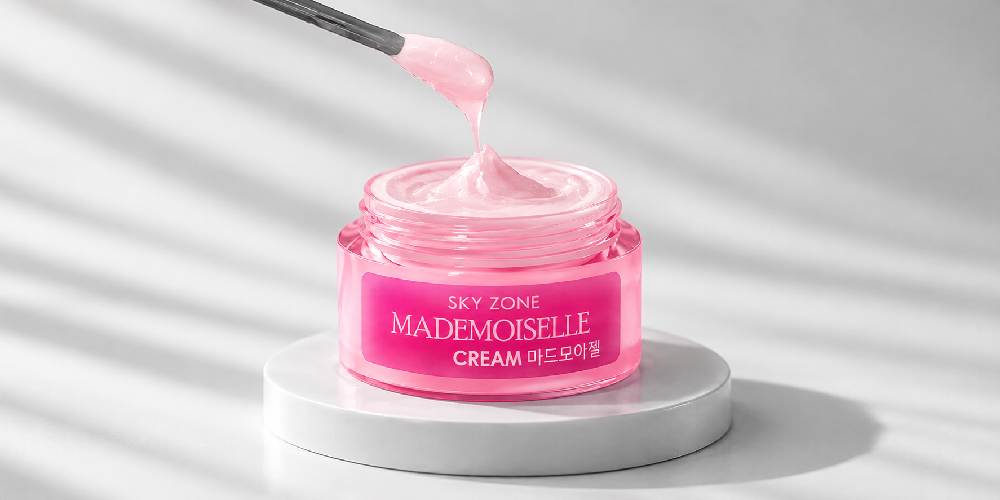
An eyelash extension remover is designed to weaken or dissolve the adhesive connection between an extension and a natural lash. The purpose is to allow the extension to be separated with minimal mechanical force, rather than breaking the attachment by pulling or peeling it away.
This distinction matters because natural lashes can break when extensions are tugged, rubbed, or pulled. The American Academy of Ophthalmology's guidance on eyelash extension safety warns that rubbing, tugging, and pulling can fracture natural lashes and may damage their follicles.
A remover, however, is not automatically safe simply because it is designed for adhesive removal. The result also depends on how the product is applied, whether it contacts the eye or surrounding skin, and whether the manufacturer's instructions are followed.
Why Does Lash Extension Removal Sometimes Take Longer Than Expected?
If extensions do not release as expected, the first step is to identify what might be preventing effective removal. Switching immediately to a different product or increasing the amount used may not address the underlying problem.
| Problem | What to Check | What to Avoid |
|---|---|---|
| Extensions are not loosening | Confirm that the remover is intended for the service, has reached the relevant adhesive bonds, and has been used according to its instructions. | Pulling the extensions or assuming that more product will necessarily work faster. |
| The removal process is taking longer than expected | Check the specified processing time, application coverage, and whether the product instructions are clear and current. | Applying one product's timing to a different remover. |
| The remover spreads beyond the intended area | Review the amount applied, applicator control, product consistency, and eye protection. | Assuming that every gel or cream will remain in place under all working conditions. |
| Adhesive residue remains | Follow the product's removal and cleansing instructions, then reassess the remaining bond. | Scraping or pulling residue from natural lashes. |
| The client experiences burning, pain, or unusual irritation | Stop the procedure and follow the appropriate product-safety instructions. Seek medical advice when indicated. | Continuing the service in the hope that the discomfort will disappear. |
A useful troubleshooting habit is to change one variable at a time. Check the application technique and product directions before concluding that the formula is ineffective. If the product does not work as expected within its instructions, consult the manufacturer or supplier rather than improvising a stronger treatment.
Gel vs Cream Lash Removers: Differences in Texture and Application
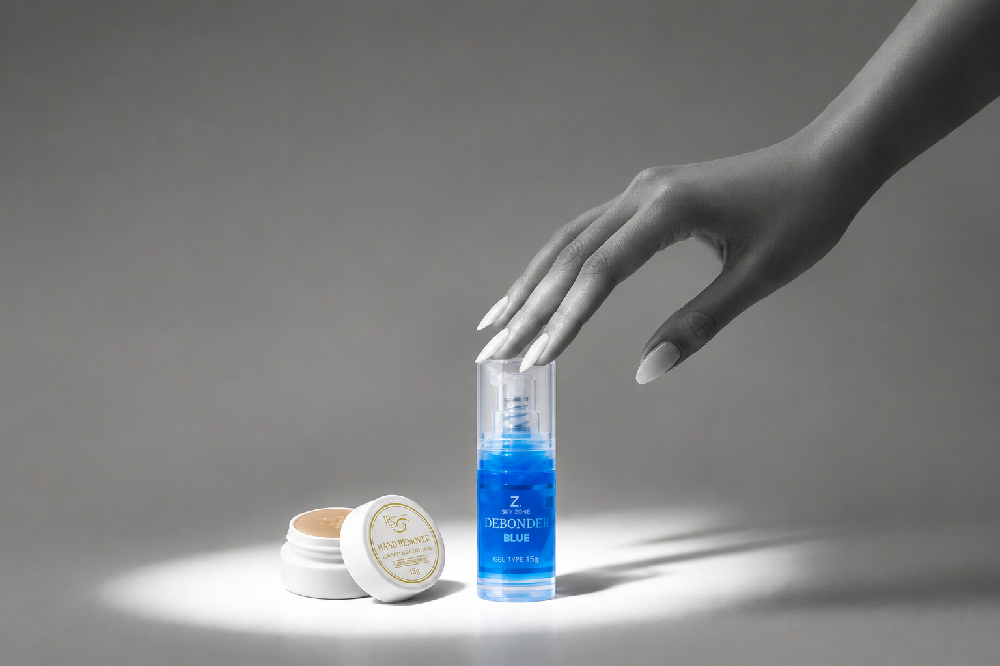
The main visible difference between gel and cream lash removers is their consistency. Both formats are intended to support adhesive removal, but the exact application method and performance depend on the individual formulation.
A thicker product may be easier to place in a controlled area, but texture alone cannot establish which remover works faster, causes less irritation, or presents a lower risk of eye exposure. Those questions require product-specific evidence rather than assumptions about gel or cream formulas.
| Comparison Factor | Gel Lash Remover | Cream Lash Remover |
|---|---|---|
| Consistency | Gel-based texture; the actual thickness varies by formulation. | Cream-based texture; the actual thickness varies by formulation. |
| Application | Consider the manufacturer's recommended placement, applicator, and amount. | Consider the manufacturer's recommended placement, applicator, and amount. |
| Control and spreading | Evaluate the product's consistency and how precisely it can be applied during the service. | Evaluate the product's consistency and how precisely it can be applied during the service. |
The practical conclusion: neither format is universally better. A suitable choice is the product whose documented use, application requirements, and instructions match the service being performed. A reliable comparison should also consider ingredient information and safety documentation when these are available.
The Chemistry Behind Lash Removers and Eyelash Extension Adhesives
Understanding the basic chemistry helps explain why removing extensions is not simply a matter of wiping away a cosmetic product.
How Does Eyelash Extension Adhesive Form a Bond?
Many professional eyelash extension adhesives are based on cyanoacrylate chemistry, although the exact composition varies between products. In these adhesives, cyanoacrylate monomers react and polymerize, forming a solid adhesive structure as the product cures.
Once the adhesive has cured, its behaviour differs from that of the original liquid. This is one reason why removing a bonded extension may require a product specifically designed for the adhesive system rather than an ordinary makeup cleanser.
How Does a Remover Affect the Adhesive Bond?
A remover is intended to weaken or dissolve the adhesive connection so that the extension can be released without unnecessary force. However, the detailed mechanism depends on the remover's own formulation. It would be inaccurate to assume that every gel and cream remover works through the same chemical reaction.
WinLash lists three remover products in this comparison, but the reviewed product pages do not provide a complete ingredient list or a downloadable Safety Data Sheet (SDS). Without that information, we cannot reliably identify the active adhesive-dissolving ingredients, describe a specific reaction, or rank the three products by chemical strength.
Does the Formula Determine How Safe a Remover Is?
The formula matters, but it is not the only consideration. The application method, amount used, contact with the eye area, exposure time, and compliance with the product instructions also affect how a removal procedure is carried out.
Similarly, cream consistency is not proof of lower irritation, and gel consistency is not proof of faster performance. To demonstrate that one remover is safer or more effective than another, comparative testing and relevant product-safety evidence would be needed.
For a professional lash artist, the most responsible approach is to separate three things: what the product manufacturer states, what independent evidence demonstrates, and what remains unknown. This prevents marketing descriptions from being mistaken for verified chemical or clinical results.
How to Choose the Right Remover for the Job
Instead of following a universal rule such as “gel for speed” or “cream for sensitive clients,” assess the requirements of the service and the information available for each product.
For Full-Set Removal
Check whether the product instructions support the intended removal service and whether the application method allows the adhesive bonds to be treated as directed. Consider the amount of product needed, the recommended applicator, and the specified processing time.
Do not assume that all cream removers are intended only for full-set removal. Confirm the permitted use of the specific product before making that decision.
For Targeted or Partial Removal
Controlled placement becomes especially important when only selected extensions need to be removed. Review whether the product is suitable for the intended task, and use an applicator that allows precise placement while protecting the surrounding eye area.
A gel texture may be convenient for some application methods, but the format alone does not guarantee that the product will remain exactly where it is placed.
When Processing Time Matters
Processing time should be based on the manufacturer's instructions for that particular remover. Published times can differ across products, even when they belong to the same format.
Do not choose a remover solely because its product page advertises faster action. Verify the current directions and assess whether the stated application procedure suits the service. If the instructions are inconsistent, ask the supplier or manufacturer to clarify them before use.
When a Client Has a History of Sensitivity
Review the available ingredient information, warnings, and product directions before beginning. A label describing a remover as “hypoallergenic” or suitable for sensitive skin should not be interpreted as a guarantee that an individual cannot react to it.
If a client has a history of eye reactions or develops symptoms during a service, do not attempt to solve the problem by switching blindly between gel and cream formulas. Follow appropriate professional and medical guidance instead.
A Step-by-Step Approach to Reducing Unnecessary Mechanical Stress
The goal of a careful removal procedure is to allow the adhesive bond to release without forcing the extension away from the natural lash. The exact procedure must follow the instructions for the selected product.
- Prepare the working area. Clean your hands and tools, assess the client's condition, and prepare appropriate under-eye protection.
- Protect the eyes. Keep the client's eyes closed throughout application and follow the product's safety instructions. Position protective pads or tape as required.
- Apply the correct amount. Use the recommended applicator and place the remover only where the product instructions direct. Avoid contact with the eye and unintended surrounding areas.
- Respect the stated processing time. Follow the directions for the exact product rather than using a general timing rule for all gel or cream removers.
- Assess release without pulling. Once the bond has loosened according to the product procedure, guide the extensions away gently. If there is resistance, stop rather than forcing the extension off.
- Reassess if removal is incomplete. Check the instructions and consult the supplier if necessary. Do not increase the quantity or extend the processing time beyond the permitted directions without appropriate guidance.
- Complete post-removal cleansing. Follow the remover's instructions for removing residue and cleansing the lashes and surrounding area.
These steps can help reduce avoidable mechanical stress, but they cannot guarantee that every removal will be free of irritation or natural-lash damage. Product selection and careful technique must work together.
Comparing Three Lash Removers Available at WinLash
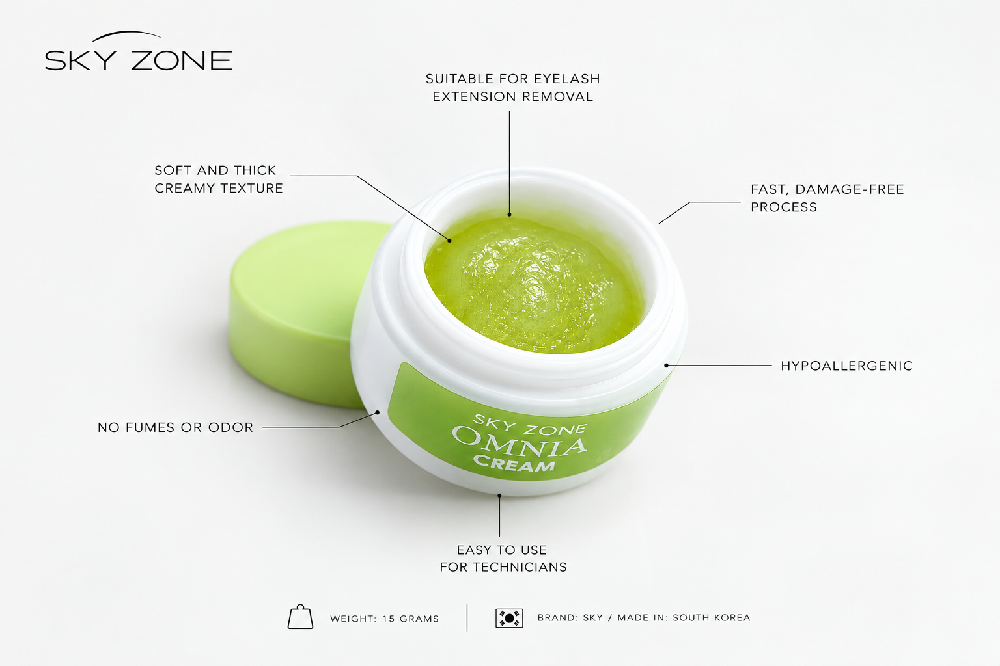 Choosing between gel and cream lash removers depends on more than texture. Application requirements, product-specific instructions, and the available safety information should all be considered. The WinLash remover collection includes three options from IB and SKY, allowing lash artists to compare their published features before choosing a product for their workflow.
| Product | Format and Published Features | Listed Processing Time | Important Consideration |
|---|---|---|---|
| IB Nano Creamy Lash Remover | Cream formula with a thick, non-dripping consistency. WinLash describes it for classic and volume eyelash extensions. | 5–10 minutes, according to the product page. | Follow the current product instructions. A complete ingredient list and downloadable SDS are not provided on the reviewed page. |
| SKY Creamy Lash Remover | Cream formula with a soft, thick consistency. The product page identifies South Korea as its country of manufacture. | 10–15 minutes, according to the product page. | Verify the current instructions and availability. Claims such as “hypoallergenic” and “fume-free” are manufacturer descriptions, not independent proof that a product is suitable for every client. |
| SKY Gel Lash Remover | Gel formula described by WinLash as suitable for targeted application, with a no-white-residue finish listed among its product features. | The page contains several timing references, including 1–5 minutes, 2–5 minutes, and up to 10 minutes. | Confirm the applicable processing time with the current product instructions or supplier before use. |
These products illustrate the gel and cream formats available at WinLash, but the published information does not establish that one format is universally faster, safer, or less irritating. A reliable performance comparison would require consistent testing under comparable conditions and more complete formulation and safety documentation.
Featured Recommendation: When a Gel Remover Fits Your Workflow
For lash artists who prefer working with a gel remover, the SKY Gel Lash Remover is worth considering for targeted adhesive removal. Its gel format and targeted-application positioning make it a relevant option for artists who want to focus application on specific areas rather than choosing a remover based on texture alone. WinLash also lists a no-white-residue finish among the product's features.
Before adding it to your professional kit, confirm the recommended processing time with the supplier. The product page lists multiple time ranges, so the correct timing should be clarified before use.
What Should You Do If Lash Remover Enters the Eye?
A lash remover is intended for a specific application procedure and should not be allowed to enter the eye. If accidental eye exposure occurs, stop the service and follow the product's emergency instructions. General chemical-exposure guidance from Poison Control recommends immediate, thorough irrigation with room-temperature water for 15–20 minutes, followed by appropriate expert guidance. Seek urgent medical assessment for severe symptoms or ongoing pain, redness, swelling, or vision changes.
If a client experiences a suspected allergic reaction to eyelash extensions or adhesive, do not attempt to manage the reaction by continuing removal. The American Academy of Ophthalmology advises seeking ophthalmic care when an allergic reaction occurs rather than trying to remove the extensions yourself.
Frequently Asked Questions About Gel and Cream Lash Removers
What Is the Main Difference Between Gel and Cream Lash Remover?
The most obvious difference is consistency. A gel or cream texture may affect placement and handling, but the best choice depends on the individual product's intended use and documented instructions.
Which Lash Remover Should a Professional Lash Artist Choose?
Choose a product whose instructions match the removal service, application method, and working conditions. Review the available safety information and follow the product-specific processing directions rather than choosing on texture alone.
Why Is My Lash Extension Remover Taking Longer Than Expected?
Check the product's recommended use, application coverage, processing time, and current instructions. If the bond does not release within the permitted procedure, avoid pulling and seek product-specific guidance.
Does Cream Lash Remover Cause Less Irritation Than Gel?
Not necessarily. A comparison of irritation risk requires evidence about the individual formulas and how they are used. Texture alone cannot prove that a product is safer.
How Long Should Lash Remover Stay On?
Follow the current instructions for the exact product. WinLash lists different times for its cream removers, and the SKY Gel product page contains multiple timing statements. Do not use one general processing time for all three products.
Are the Ingredients of WinLash's Removers Published?
The reviewed product pages do not provide a complete ingredient list or downloadable Safety Data Sheet. Ask the supplier or manufacturer for current technical and safety documentation when you need to assess specific ingredients or compare formulations.
Can Gel or Cream Remover Guarantee Damage-Free Removal?
No guarantee should be inferred from the product format. The aim is to allow the adhesive bond to release while avoiding unnecessary mechanical stress, using the product exactly as instructed.
Final Thoughts: Choose Based on Evidence, Not Texture Alone
Choosing between gel and cream lash remover is not simply a contest between speed and gentleness. The more useful decision considers the service being performed, product-specific directions, application control, available safety information, and the ability to remove extensions without forcing the adhesive bond apart.
The WinLash range offers both cream and gel formats, giving lash artists different products to evaluate. The most responsible way to compare them is to look at what each product actually documents, identify where information is missing, and avoid treating marketing language as proof of superior performance.
Before selecting a remover, review the product instructions and available technical information. If a detail is unclear—particularly the correct processing time or a safety concern—request clarification instead of guessing. This approach supports better-informed choices and helps keep the focus where it belongs: controlled application, responsible removal, and care for natural lashes.