


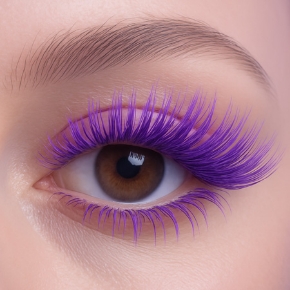
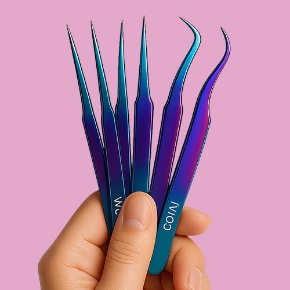


DIY lash clusters have transformed home lash styling by delivering the density of volume extensions in minutes. Unlike traditional salon-applied eyelash extensions that isolate a single natural lash, cluster fans span several natural hairs at once. While application is straightforward, removal is where most follicle trauma occurs. Ripping or pulling clusters off when the adhesive bond is still intact causes mechanical traction, leading to snapped natural hairs and damaged root follicles. Learning how to remove lash clusters without losing natural lashes comes down to using the proper solvent, respecting dwell time, and executing a gentle downward slide.
Table of Contents
- Why Lash Clusters Can Pull Out Natural Lashes
- Essential Products for Safe at-Home Removal
- Step-by-Step Protocol: How to Remove Clusters Safely
- Removal Methods Compared: Solvents, Balms, and Oils
- 4 Removal Mistakes That Cause Follicle Damage
- Post-Removal Lash Care: Supporting Follicle Recovery
- Frequently Asked Questions About Cluster Removal
Why Lash Clusters Can Pull Out Natural Lashes
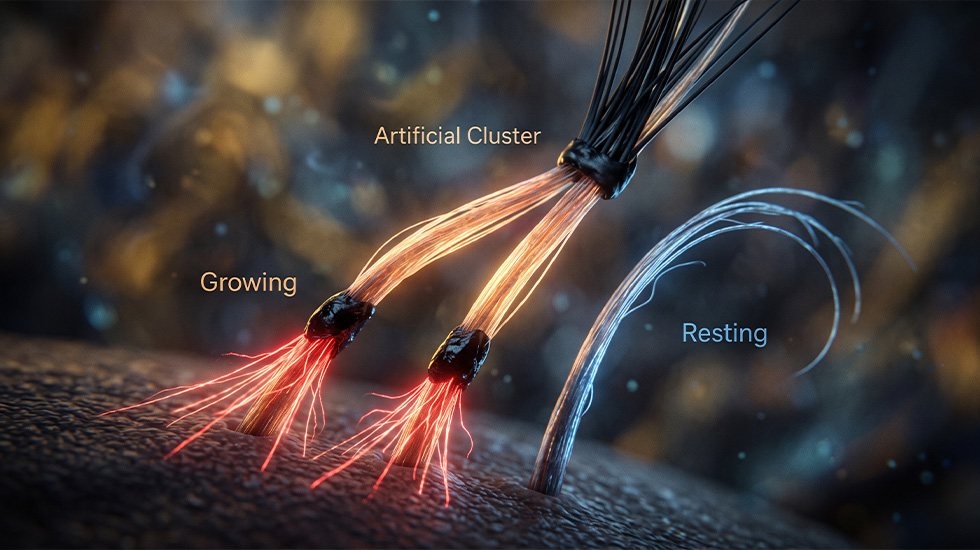
The primary risk of wearing cluster lashes stems from their wider base. A single pre-made cluster attaches across anywhere from three to seven natural lashes simultaneously. In a healthy lash line, each individual lash exists at a different stage of its biological cycle: active growth (anagen), transition (catagen), or resting and shedding (telogen).
When multiple hairs at different lifecycle stages are bound together by bond glue, a resting lash ready to shed naturally remains anchored to an adjacent growing lash. If you pull or tug on the cluster strip, the force pulls directly on the roots of active lashes. This mechanical strain can cause immediate traction hair loss, weaken the dermal papilla, and produce noticeable gaps along your lash line that take weeks to recover.
Essential Products for Safe at-Home Removal
Safe removal relies on chemical breakdown of the adhesive bond rather than manual pulling force. Preparing the right supplies beforehand prevents irritation and accidental eye contact:
- Professional Cream Remover: A thick, non-drip formulation like IB Nano Creamy Lash Remover stays exactly where applied without migrating into the conjunctival sac.
- Lint-Free Under-Eye Pads or Cotton Pads: Placed beneath the lower lashes to shield sensitive skin and catch dissolved glue residue.
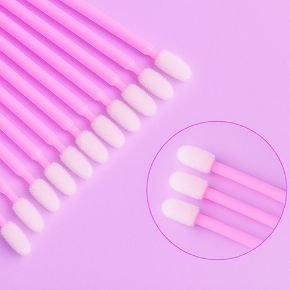
- Micro Swabs or Precision Applicators: For pinpoint placement of the solvent directly onto the adhesive seam.
- Clean Silicone Spoolie: To guide loosened clusters downward without catching or twisting natural lashes.
- Oil-Free Foaming Lash Cleanser: To thoroughly cleanse residual solvent and prevent post-removal eyelid congestion.
Step-by-Step Protocol: How to Remove Clusters Safely
Perform this routine in front of a well-lit mirror, treating one eye at a time so you maintain full control and keep your eyelids relaxed.
- Prepare and Protect the Eye Area: Position a lint-free pad beneath your lower lash line. Ensure your hands are washed and completely dry. If you wear contact lenses, remove them before beginning to prevent accidental solvent absorption.
- Apply the Dissolving Agent: Dip a micro swab into your creamy remover. Gently coat the underside of the lash line where the cluster band meets your natural lashes. Ensure even coverage along the glue seam while maintaining a safe 1-millimeter clearance from the waterline.
- Respect the Required Dwell Time: Allow the product to sit undisturbed according to manufacturer instructions—typically 3 to 5 minutes. The solvent needs sufficient contact time to soften the polymer chains in the bond. Do not rub or pinch during this window.
- Slide, Never Pull: Take a clean spoolie or a fresh micro swab and gently roll downward from the roots toward the tips. If the adhesive has fully dissolved, each cluster will glide off smoothly with zero resistance. If a cluster resists, reapply a small dab of cream remover, wait another 2 minutes, and repeat. For tips on preserving cluster integrity after removal, review our guide on reusable false eyelashes.
- Wipe and Cleanse Residue: Gently sweep a damp cotton pad over the lid to lift melted adhesive residue. Wash the entire eye area with an oil-free foaming lash wash and lukewarm water, then pat dry with a clean towel.
Removal Methods Compared: Solvents, Balms, and Oils
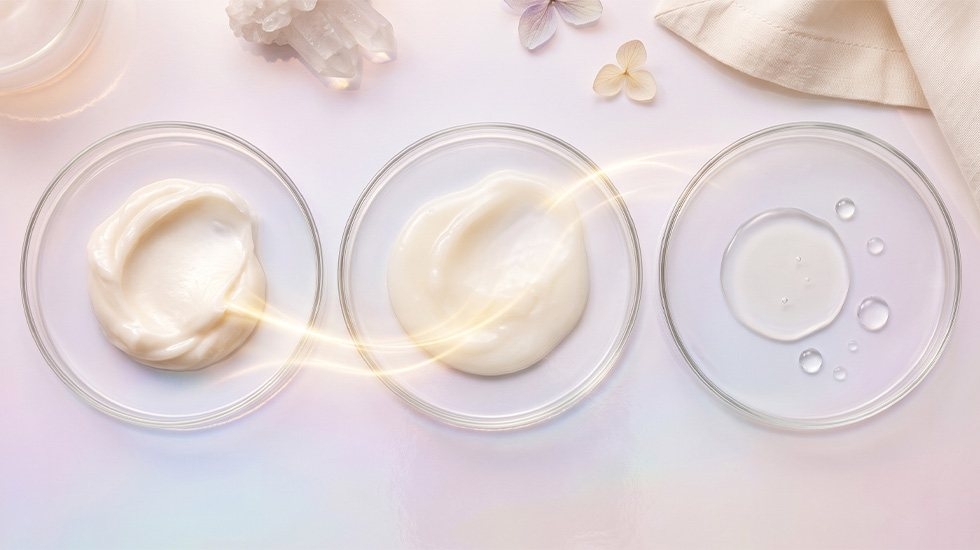
Different household and professional methods are often recommended online for cluster removal, but they vary significantly in safety, speed, and follicle protection. When exploring the best ways to dissolve lash glue, matching the solvent to the adhesive chemistry is vital.
| Method | Adhesive Breakdown Speed | Risk to Natural Lashes | Best Used For |
|---|---|---|---|
| Cream Remover (Professional) | Fast (3–5 minutes) | Lowest (Zero traction required) | All DIY cluster bonds & semi-permanent glues |
| Cleansing Balm (Oil-Based) | Moderate (8–12 minutes) | Low (Safe if soaked thoroughly) | Lightweight daily cluster bonds |
| Pure Plant Oils (Castor / Coconut) | Slow (15–20 minutes) | Low to Moderate (Users tend to pull prematurely) | Sensitive eyes; gradual softening |
| Micellar Water (Biphasic) | Very Slow (>20 minutes) | High (Forces rubbing and friction) | Not recommended for multi-day cluster bonds |
4 Removal Mistakes That Cause Follicle Damage
Even high-quality natural lashes can suffer long-term damage when exposed to poor removal habits. Avoid these common missteps:
- Dry Pulling or Picking: Tugging at clusters when the adhesive is solid is the fastest way to cause traction alopecia. When a cluster is pulled dry, natural hairs are ripped directly out of the dermal follicle.
- Aggressive Horizontal Rubbing: Rubbing back and forth across the eyelid bends natural lashes at sharp angles, fracturing the delicate keratin sheath and causing premature breakage mid-shaft.
- Using Chemical Household Solvents: Rubbing alcohol, pure acetone, or nail polish removers should never come near ocular tissue. They cause chemical burns, severe cornea erosion, and dermatitis on the eyelid margin.
- Rushing the Dwell Time: Applying a remover and immediately attempting to comb it through doesn't allow the active ingredients to dissolve the bond. Respecting the full dwell time specified by the manufacturer is the secret to zero lash loss.
Post-Removal Lash Care: Supporting Follicle Recovery

Once all clusters are safely removed and your lids are cleansed, give your natural lashes time to breathe and rehydrate. Lash adhesives and removers temporarily strip the natural lipid mantle of the hair cuticles. Applying a peptide-infused conditioning serum or cold-pressed castor oil along the tips helps restore flexibility and shine.
If you have experienced accidental lash thinning from previous improper removals, understand that your lashes can renew themselves. For an in-depth breakdown of lash renewal phases and timelines, read our guide on whether damaged eyelashes grow back. Giving your eyes a 24- to 48-hour rest before applying another fresh set of clusters allows the hair follicles to stabilize and maintain peak strength.
Frequently Asked Questions About Cluster Removal
Why did my natural lashes come off with my cluster lashes?
If natural lashes detached with intact roots, the cluster was pulled before the adhesive had completely dissolved. However, finding one or two loose hairs without roots is normal, as lashes at the end of their resting cycle naturally release during cleansing.
Can I remove cluster lashes using baby oil or olive oil?
Mineral and plant oils can soften standard water-soluble cluster glues, but they work very slowly on multi-day bond-and-seal formulas. Because users often lose patience during long wait times, oil methods frequently lead to premature pulling. A professional cream remover is far faster and safer.
How long should I leave cream remover on before sliding clusters off?
Always follow the specific instructions on the product packaging. High-grade cream removers typically require between 3 to 5 minutes to completely break down adhesive bonds without needing mechanical force.
What should I do if lash remover gets into my eyes?
Flush the open eye immediately with lukewarm tap water or sterile saline solution for at least 10 to 15 minutes. Avoid rubbing your eye. If stinging, blurred vision, or conjunctival redness persists after flushing, consult a healthcare professional promptly.
Can I apply a new set of cluster lashes immediately after removal?
It is best to wait at least 24 hours. Even after washing, microscopic traces of remover or oils remain on the lash cuticle, preventing new adhesive bonds from curing securely and leading to premature lifting.
Maintaining dense, resilient natural lashes while enjoying the styling versatility of DIY sets comes down to patience and using salon-grade solutions designed for ocular safety. By allowing professional solvents to do the heavy lifting and treating your follicles with gentle care, you can switch between looks without ever compromising your natural lash health. Discover premium cluster lashes, gentle removers, and professional aftercare essentials at Winlash.