
Quick Access Navigation
- What Lash Extension Adhesive is Actually Made Of
- How Viscosity Affects Lash Extension Glue Choice and Climate Performance
- Drying Speed and Curing Time Are Not the Same Thing
- Black vs. Clear, and Choosing for Sensitive Clients
- How to Choose the Right Lash Extension Glue for Your Setup
- The Bottom Line on Lash Extension Glue Differences and How to Choose
- Frequently Asked Questions (FAQ)
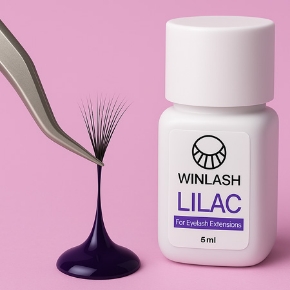
If you've ever stared at a product page full of lash adhesives wondering what is the difference between lash extension glues and how do I choose, you're not alone. Every label claims "professional strength" and "maximum retention," with zero clarity on what actually sets them apart. It's a frustrating experience, and it doesn't get easier just because you've been doing lashes for a few years. The descriptions overlap, the terminology blurs, and nobody explains the actual variables that matter. Here's the good news: once you understand four core factors, choosing the right adhesive becomes a much simpler process. Those four factors are composition, viscosity, drying speed, and sensitivity profile. This article breaks down each one so you can shop with confidence, whether you're stocking a busy salon in Dubai Marina or building your first professional kit. WinLash Dubai carries an adhesive range built around these exact specs, selected with Gulf climate conditions in mind.
What Lash Extension Adhesive is Actually Made Of
Cyanoacrylate: the backbone of every professional glue
Virtually all professional lash adhesives are built around cyanoacrylate, a fast-bonding polymer that cures on contact with moisture. Higher concentrations mean faster curing and stronger initial adhesion, but they also produce more fumes and carry a higher irritation risk for reactive clients. When a product is labeled "professional strength," cyanoacrylate concentration is often what that claim refers to, though the phrase can also reflect overall formulation potency. This matters because not every client and not every room environment calls for maximum cyanoacrylate concentration. Understanding that this single ingredient drives both the speed and the sensitivity profile of the glue gives you a useful filter for narrowing down your options before you even look at the label's other claims.
The supporting ingredients and what they do
Beyond the primary bonding agent, most lash adhesives contain PMMA (polymethyl methacrylate), a reinforcing polymer that adds viscosity and improves long-term retention durability. Carbon black is included purely as a pigment to give black glue its color; it has no effect on bond strength. Stabilizers like hydroquinone or BHT are added to prevent the glue from curing inside the bottle, extending shelf life without contributing to the bond itself. Some formulas also include latex as a flexibility additive, though latex-free formulations are now commonly preferred in professional products due to sensitization concerns. The clear takeaway: cyanoacrylate drives speed and bonding, PMMA improves texture and retention, and pigments or stabilizers affect color and shelf life. None of the supporting ingredients are fillers; each one plays a specific functional role in how the adhesive performs from bottle to lash.
How Viscosity Affects Lash Extension Glue Choice and Climate Performance
Thin, medium, and thick: what each actually feels like to use
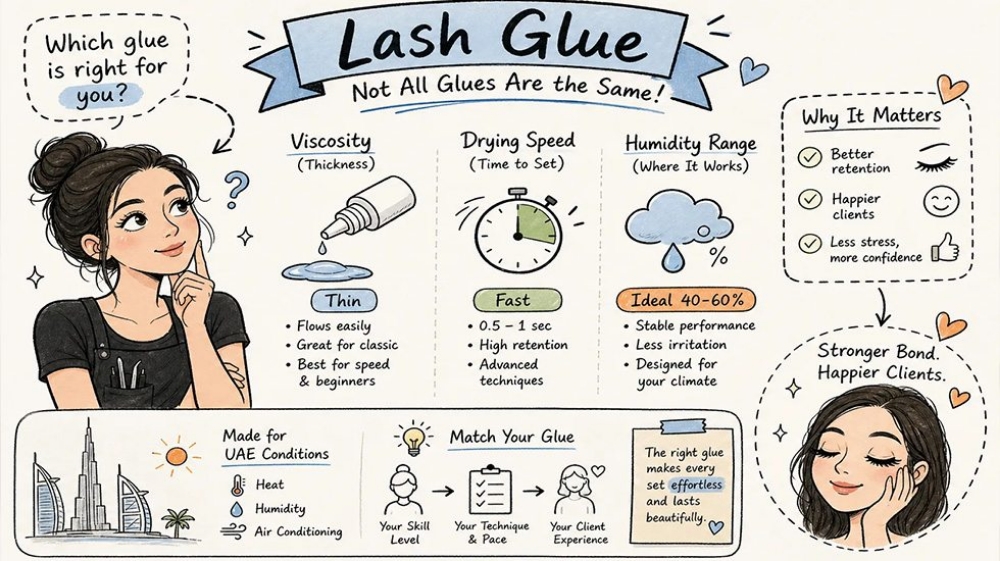
Viscosity describes how runny or thick the adhesive is when it leaves the nozzle. Thin glue wicks and flows quickly, making it precise but demanding. It cures fast and leaves almost no room to reposition after contact. Medium glue is the general-purpose option: it balances control with workability and suits a wide range of application styles. Thick glue stays exactly where you place it, fills any micro-gaps at the base, and gives the most working time of the three, but it can clump if you overload the extension base. Skill level maps directly to viscosity. Beginners benefit most from medium, where there's enough working time to isolate properly without the glue setting before placement is confirmed. Advanced technicians doing volume sets often prefer thin adhesive because clean, airy fan bases need a light, fast-setting bond rather than a heavy one. Knowing which category you fall into removes a significant chunk of the decision before you've read a single product description.
Why climate matters more than most technicians realize
Humidity accelerates cyanoacrylate curing. In more humid environments, thin glue helps prevent overcuring before the extension is placed. In many salons across Dubai and the Gulf that run heavy air conditioning, a thick or medium adhesive extends open time so you're not racing against a near-instant cure. The ideal working environment for lash adhesives is roughly 20 to 24°C and 40 to 60% relative humidity; outside that range, your glue will behave differently regardless of the label's stated dry time. A common retention problem in Gulf-region salons is not the glue itself but using the wrong viscosity for the room conditions. A fast, thin adhesive in a very dry, heavily air-conditioned treatment room will cure before proper placement, and no amount of technique will compensate. Always check whether the product specifies a humidity range, and match that range to your actual workspace before purchasing.
Drying Speed and Curing Time Are Not the Same Thing
Once you understand how viscosity interacts with your climate, the next variable that trips people up is speed. Specifically, the difference between when a glue feels set and when it actually is set.
What tack time vs. full cure actually means for retention
Tack time is the point at which the bond stops feeling wet and the extension can be released, typically anywhere from 0.5 to 5 seconds depending on the formula. Full cure is the complete chemical bond, which takes 24 to 48 hours with most traditional cyanoacrylate adhesives. Retention depends on full cure, not tack time. A glue that sets in 0.5 seconds is not automatically more durable than one that sets in 3 seconds; if placement is rushed or room conditions are off, the bond will fail regardless of how fast the label claims it sets. This distinction matters because many technicians, especially those newer to the craft, associate speed with quality. Speed is a workflow advantage, not a durability indicator. What supports long-term retention is the quality of the bond formed during full cure, which is shaped by correct placement, proper isolation, and application within the glue's specified environmental range.
Matching glue speed to your skill and working style
Ultra-fast adhesives with sub-one-second tack times suit experienced technicians doing high-volume sets efficiently. They leave no room to adjust placement after the extension makes contact. Medium-speed formulas in the 2 to 3-second range suit most classic lash work and are more forgiving for artists still building their isolation consistency. Slower formulas running 4 to 6 seconds are ideal for beginners, training environments, and clients who require extra care during application. The rule is straightforward: the faster the glue, the more precise your technique needs to be before the bond forms. Slower is not inferior; for most technicians outside of high-volume production settings, a 2 to 3-second adhesive is the smarter daily choice. It supports accurate placement, reduces the risk of stickies, and allows proper isolation without the anxiety of racing the clock on every single extension.
Black vs. Clear, and Choosing for Sensitive Clients
When the color of your adhesive actually matters
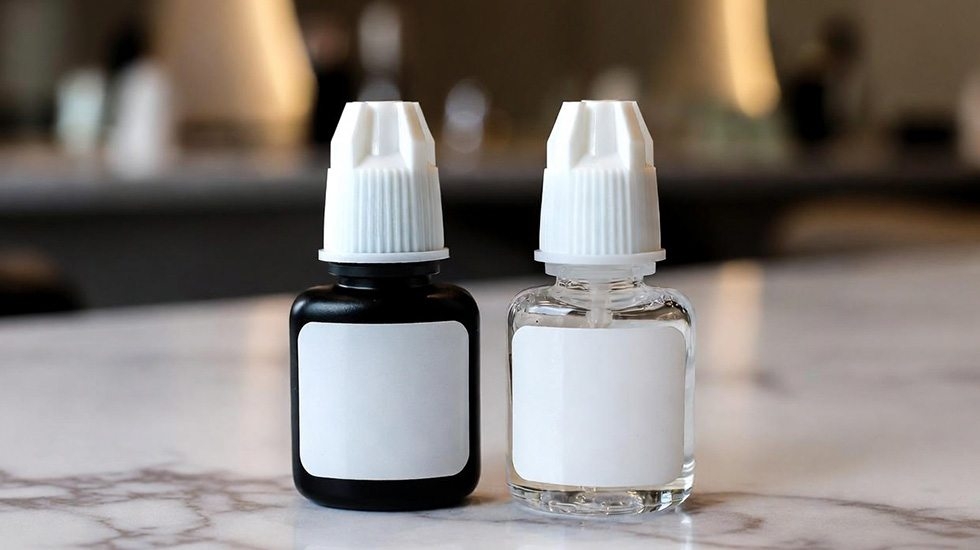
Black glue contains carbon black pigment, which creates a seamless dark base that blends with lash extensions and gives a finished, defined look at the lash line. Clear glue dries transparent, making it the right choice for lighter lashes, colored extensions, or clients who are specifically sensitive to carbon black. Color has no effect on bond strength, but it absolutely affects the visual result and can be a meaningful factor for clients with pigment sensitivities that don't extend to cyanoacrylate itself. This is a straightforward decision that many technicians overlook when they default to black glue for every client. If a client reports irritation but has no prior allergy history, switching to a clear formula is a simple first step worth taking before escalating to a full sensitivity formula. That one change is often enough to resolve the issue.
Low-fume and latex-free formulas for reactive clients
Sensitivity-focused adhesives typically feature lower cyanoacrylate concentrations, latex-free and formaldehyde-free formulations, and reduced fume output during application. They are not allergy-proof; cyanoacrylate is still present and is still the primary allergy trigger in lash adhesives. What they do is reduce the overall chemical load significantly, making them appropriate for clients with a history of mild reactions or those who find standard formulas uncomfortable. Tack times in sensitive formulas are generally slower, typically in the 3 to 6-second range. That is a fair trade for client safety. Any client with a documented strong allergy history should receive a patch test prior to a full set, regardless of the adhesive used. Sensitive formulas reduce risk; they do not eliminate it. Building that patch test step into your consultation process protects both the client and your business.
How to Choose the Right Lash Extension Glue for Your Setup
A practical selection checklist before you buy
Four questions will narrow your adhesive choice from an overwhelming catalog to a focused shortlist. Work through them in order before you land on a product.
- What is the typical humidity and temperature in your workspace? A heavily air-conditioned Dubai salon generally calls for a medium or thick formula to extend working time.
- What is your current skill level and application speed? If isolation consistently takes you more than 2 seconds, a sub-one-second glue will work against you.
- Do any of your clients have known sensitivities or a history of reactions? If yes, a low-fume, latex-free formula should be in your kit regardless of what you use for other clients.
- What set type do you do most often? Classic, volume, and sensitive-client work each point toward a different viscosity and speed combination.
Once you've answered those four questions, match your answers to the set type guide below:
- Classic sets: medium-viscosity, 2 to 3-second tack time works well for most
- Volume fans: thin or medium, fast to medium speed, depending on your fan-making speed
- Sensitive clients: low-fume, latex-free, clear or black depending on pigment tolerance
- Beginner or training environment: medium viscosity, 3 to 5-second tack time
Why a curated adhesive catalog makes the decision easier
Working through that checklist is significantly easier when the catalog you're shopping from has already filtered for your local conditions. WinLash Dubai's adhesive range is selected with the UAE market in mind, and each product listing includes the key specs lash artists actually need: humidity range, tack time, viscosity, and formulation type. Rather than guessing which of hundreds of generically listed options might suit a dry, air-conditioned salon in Dubai, the shortlisting work is done before you get to the product page. Whether you need a fast-dry, low-humidity formula for a high-volume set or a sensitive, clear-dry adhesive for a reactive client, the WinLash Dubai catalog is organized around the specs that matter to Gulf-based lash technicians. That kind of climate-aware sourcing is what separates a specialist supplier from a general beauty distributor, and it saves you the cost of buying the wrong adhesive twice.
The Bottom Line on Lash Extension Glue Differences and How to Choose
The four factors that differentiate lash extension adhesives are composition, viscosity, drying speed, and sensitivity profile. Cyanoacrylate drives bonding strength and fume output; PMMA improves texture and retention; viscosity determines how the glue moves and how much working time you have; tack time affects workflow while full cure drives actual retention; and sensitivity formulas reduce chemical load for reactive clients without eliminating the need for patch tests. None of these factors exist in isolation. A fast thin glue that's perfect for a humid coastal salon may fail completely in an over-air-conditioned treatment room in Downtown Dubai.
The right adhesive is the one that matches your room conditions, your application pace, and your client's tolerance profile, not the one with the most aggressive retention claim on the label. Now that you understand the difference between lash extension glues and how to choose, you can stop guessing and start matching adhesive specs to your actual setup. Browse WinLash Dubai's adhesive range, where each product is listed with the specs you need: humidity range, tack time, viscosity, and formulation type. No guesswork, no wasted orders, just the right glue for your setup.
Frequently Asked Questions (FAQ)
Q: What are lash extension glues made of?
A: Most professional lash adhesives are built around cyanoacrylate, a fast-bonding polymer that cures on contact with moisture. Supporting ingredients include PMMA (polymethyl methacrylate) for viscosity and retention, carbon black as a pigment for black glue, stabilizers like hydroquinone or BHT to prevent bottle curing, and sometimes latex as a flexibility additive.
Q: What does "professional strength" mean on a lash glue label?
A: "Professional strength" usually refers to a higher cyanoacrylate concentration, which gives faster curing and stronger initial adhesion. However, higher concentration also increases fumes and the risk of irritation, so the term can be misleading without context on sensitivity and room conditions.
Q: How does viscosity affect which lash glue I should use?
A: Viscosity describes how runny or thick the adhesive is: thin glues flow and cure very fast, medium glues balance control and workability, and thick glues stay where placed and give more working time. Your skill level and the set type matter—beginners often prefer medium, while advanced technicians doing volume fans may choose thin for airy bases.
Q: Which lash glue is best for beginners?
A: Beginners typically benefit from a medium-viscosity adhesive because it provides enough working time to isolate lashes without setting too quickly. Medium glue reduces the risk of clumping or premature bonds while you develop placement speed and technique.
Q: How does climate or humidity affect lash adhesive performance?
A: Cyanoacrylate cures on contact with moisture, so higher humidity speeds curing while low humidity slows it down. In humid climates (for example the Gulf), adhesives can set very quickly, so technicians may choose formulations and viscosities—like slightly thicker glue or lower cyanoacrylate concentration—selected for that environment; WinLash Dubai carries adhesives chosen with Gulf climate conditions in mind.
Q: What should I look for if clients have sensitive eyes or reactions?
A: Choose adhesives with lower cyanoacrylate concentration and prefer latex-free formulations to reduce sensitization risk. Also patch-test when possible, use good ventilation to reduce fumes, and opt for formulas specifically marketed as low-irritant or for sensitive clients.
Q: Do pigments or stabilizers affect bond strength or just color and shelf life?
A: Pigments like carbon black only affect color and do not change bond strength, while stabilizers such as hydroquinone or BHT prevent the glue from curing in the bottle and extend shelf life. PMMA is the supporting ingredient that does affect performance by increasing viscosity and improving long-term retention—none of these are inert fillers; each has a functional role.