
Table of Contents (Click to Open)
- The Marketing Myth: What Are Lash Extensions Made Of?
- Comparative Fiber Anatomy
- The Real Mink & Organic Silk Illusion: Truth vs. Labeling
- The Engineering of Korean PBT: The Gold Standard Fiber
- The Physics of Curl Retention: Why Extensions Lose Their Shape
- Micro-Surface Texturing: Optimizing Adhesive Interlocking Mechanics
- The Buyer’s Choice: Selecting Your Perfect Structural Finish
- Weight-to-Volume Mathematical Ratios across Fiber Profiles
- FAQ: Comprehensive Lash Material Troubleshooting
Step into the modern beauty landscape, and you are instantly bombarded with confusing retail labels like "real silk," "authentic mink," and "synthetic cashmere." The frustrating chaos of asking what are lash extensions made of is a pivotal pain point that leaves both retail buyers and professional lash creators vulnerable to cheap marketing gimmicks. Buying into these unverified luxury labels often leads to unexpected disasters: sets that droop flat after a hot shower, rigid fibers causing localized eyelid weight irritation, and uneven synthetic blends that refuse to hold a bond. True mastery of your aesthetic investments requires bypassing superficial retail descriptions and dissecting the precise macromolecular chemistry of premium eyelash extensions raw materials.
Executive Brief: The Material Illusion in Lash Engineering
The historical debate over mink vs silk lashes is fundamentally a semantic illusion; over 99% of the premium global market contains zero animal fur or natural silk proteins. Today's manufacturing relies entirely on high-performance polymers. Specifically, advanced premium Korean PBT lashes have redefined industry standards, offering pure hypoallergenic safety, absolute dimensional stability, and an engineered molecular memory that locks curls perfectly against extreme environmental heat and moisture stress.
Comparative Fiber Anatomy
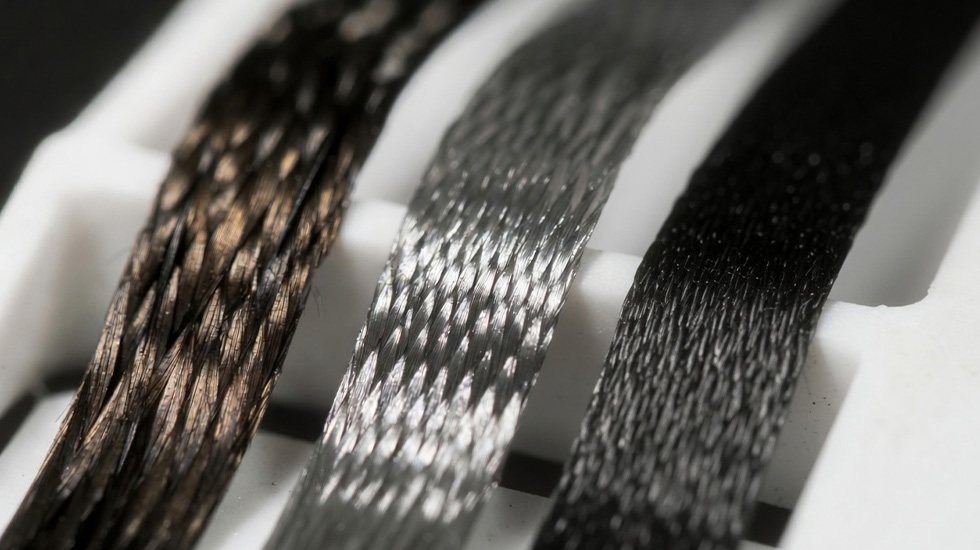
To understand how different raw materials behave over a six-week wear cycle, we must analyze their underlying physical profiles. Review this comprehensive structural breakdown to see how various lash compounds handle real-world wear:
| Material Class | Chemical Composition | Curl Retention Rate | Hypoallergenic Safety | Physical Weight Profile |
|---|---|---|---|---|
| Premium Korean PBT | High-grade conditioned Polybutylene Terephthalate polymer. | Elite (99.8%); permanent memory resistant to steam. | Maximum (100% sterile, inert synthetic matrix). | Ultra-lightweight; hollow-tapered optimization. |
| Traditional Faux Silk | Low-grade Acrylic/Polyester synthetic blends. | Moderate; prone to relaxing in hot micro-climates. | High; but can trap surface residues if overly glossy. | Heavy; dense molecular structure limits fan sizing. |
| Real Animal Mink | Natural organic keratin harvested from animal fur. | Extremely Poor; completely flattens when exposed to water. | Dangerous (High risk of severe ocular allergen response). | Variable; irregular organic diameters create gaps. |
The Real Mink & Organic Silk Illusion: Truth vs. Labeling
Let us clear up the widespread industry misinformation regarding mink vs silk lashes. In the early days of eyelash applications, raw animal fur harvested from minks was briefly introduced to the market. However, organic animal hair quickly failed to meet basic safety and aesthetic standards due to several critical flaws:
- Severe Allergenic Risks: Animal fur retains natural organic proteins and dander, which frequently trigger acute contact conjunctivitis, blepharitis, and severe histaminic swelling when placed near the eyes.
- Zero Structural Memory: Just like human hair, real mink fur absorbs ambient humidity and water. The moment a client washes their face, the extensions lose their structural curl, flattening out completely into an unstyled mess.
- Ethical Concerns: Modern global consumers strongly reject the cruel and unhygienic practices associated with harvesting animal fur, driving a massive shift toward high-tech synthetic alternatives.
Similarly, "Silk" extensions are not spun by silkworms. Natural silk fiber is structurally weak, degrades rapidly when exposed to adhesive stabilizers, and cannot maintain a permanent shape. When you see terms like "faux mink" or "silk palette" in the beauty market today, manufacturers are simply describing the visual finish of the fiber. "Mink" typically refers to a semi-matte, deep obsidian finish with a long, gradual taper, while "Silk" describes a highly saturated, glossy finish with a shorter taper that creates immediate visual density.
The Engineering of Korean PBT: The Gold Standard Fiber
If organic animal fibers are obsolete, what exact scientific infrastructure underpins the world's most durable and luxurious lash sets? The answer lies in the macromolecular architecture of advanced premium Korean PBT lashes. Polybutylene Terephthalate (PBT) is a high-performance, semi-crystalline engineering thermoplastic belonging to the polyester family. It is globally celebrated by material scientists for its exceptional tensile strength, profound chemical resistance, structural elasticity, and natural thermal insulation properties. However, the secret to elite lash performance does not just lie in the raw polymer itself, but in the highly regulated, precise synthesis and drawing methods perfected by Korean chemical laboratories.
During the advanced manufacturing phase, high-purity raw PBT granules are subjected to controlled extrusion molding. The polymer is melted and forced through micro-spinnerets to form continuous filaments with hyper-precise cross-sectional diameters. While the filament is cooling, it undergoes a critical longitudinal stretching process. This physical drawing aligns the chaotic polymer chains parallel to the axis of the fiber, exponentially increasing the material’s structural integrity and preventing microscopic splitting or fraying.
Once the raw filaments achieve uniform thickness, they are wrapped around specialized, calibrated heat-treating steel rods. The fibers are then baked inside high-temperature industrial ovens to forge the exact intended curl profile (such as the standard C, CC, D, or highly technical L and M curves). This complex thermodynamic baking process executes a permanent molecular restructuring:
- Thermal Relaxation: Relieves internal mechanical stresses induced during the initial filament extrusion phase.
- Crystalline Locking: Forces the aligned polymer chains into a rigid, permanent geometric matrix.
- Hydrophobic Stabilization: Maximizes the fiber's natural resistance to moisture absorption, ensuring it stays non-porous.
This meticulous engineering intervention hard-codes a permanent structural shape memory directly into the core of the fiber. It guarantees that whether you are a master lash artist building intricate volume fans or a retail beauty consumer enjoying everyday wear, your extensions maintain a flawlessly lifted, clean, and symmetrical architecture through heavy friction, high-impact exercise, and intense facial cleansing routines.
The Physics of Curl Retention: Why Extensions Lose Their Shape

A persistent and costly frustration for lash buyers is watching beautifully applied curls relax, droop, and completely flatten out after just a week or two of wear. To understand this premature failure, we must explore the thermodynamic properties of low-grade plastics. Cheap synthetic fibers sourced from unrefined acrylic, low-purity polyester, or generic PVC blends possess a highly unstable glass transition temperature (Tg)—often hovering close to normal daily extremes. The glass transition temperature is the thermodynamic threshold where a polymer transitions from a hard, rigid, glassy state into a soft, flexible, rubbery state.
When these cheap, low-Tg fibers are exposed to common daily environmental stressors—such as concentrated heat from hair dryers, facial steaming units, hot showers, or the extreme ambient summer heat of the Gulf region—the polymer chains instantly begin to soft-relax. Under these conditions, the weak intermolecular forces (Van der Waals forces) holding the low-grade plastic in its curled shape disintegrate. The fiber undergoes irreversible plastic deformation, causing the curl to sag and flatten permanently. Furthermore, high humidity acts as a molecular plasticizer on cheap materials, accelerating this structural collapse.
High-purity Korean PBT completely neutralizes this degradation mechanism due to its remarkably high melting point (approximately 223°C) and highly stabilized crystalline lattice. Because the glass transition temperature of premium PBT is far above any environmental or styling temperature a human body will ever encounter, the polymer chains refuse to shift, soften, or relax. This exceptional dimensional stability means that even under the intense humidity and blazing outdoor climates of Dubai, your retention standards remain utterly immaculate, preserving the crisp, sharp lift of the extension from the initial salon application until the natural lash completes its biological shedding cycle.
Micro-Surface Texturing: Optimizing Adhesive Interlocking Mechanics
Long-lasting lash retention is not solely dictated by the curl integrity of the fiber; it relies fundamentally on the chemical and mechanical adhesion interface between the synthetic base and the liquid adhesive. Standard, cheap synthetic plastics are completely non-porous and ultra-smooth on a microscopic scale. This smooth profile results in exceptionally low surface energy, which creates an adverse contact angle wetting barrier. When liquid cyanoacrylate glue is applied to an unrefined, ultra-smooth synthetic fiber, it cannot spread uniformly. Instead, the liquid bead beads up, failing to establish an intimate molecular contact zone, which leads to early shedding during normal brushing or face washing.
To overcome this severe physical limitation, premium Korean PBT fibers undergo specialized micro-laser etching or chemical functionalization during the final manufacturing stages. This precise surface manipulation carves microscopic ridges, nano-pores, and precise cross-hatching patterns directly into the base of the lash extension fiber. This mechanical texturing serves two profound physical functions:
- Capillary Action Infiltration: The moment the micro-textured lash base is dipped into the liquid adhesive, the glue is drawn deep into the nano-grooves via natural capillary forces, ensuring 100% surface wetting.
- Exponential Surface Area Expansion: Micro-etching increases the usable bonding surface area by over 40% compared to a smooth fiber, giving the glue more structural landscape to cling to.
As the cyanoacrylate adhesive undergoes anionic polymerization and cures, it solidifies inside these microscopic ridges, forming an unbreakable mechanical interlock. The adhesive and the micro-textured Korean PBT fiber become a unified, singular matrix. This engineered interlocking mechanic completely eliminates the risk of early sliding, ensuring the extension remains bonded to the natural hair cuticle under heavy external shear stress.
The Buyer’s Choice: Selecting Your Perfect Structural Finish
Achieving a custom, luxurious lash look requires selecting the right fiber design to match your unique styling goals. Depending on whether you prefer an intense, dramatic dark line or a soft, weightless texture, choosing the right engineered PBT variant makes all the difference:
- The Accelerated Smart-Fan Architecture: If you are looking to build rich volume sets in half the time, choosing an optimized db fast fan eyelash extension palette silk pbt is a total game-changer. These premium Korean PBT fibers are arranged on a specialized micro-sticky tape layer that prevents fan bases from separating, allowing you to pick up and spread multi-fiber fans effortlessly while maintaining perfect structural alignment.
- The Deep Specular Glossy Finish: For high-drama looks that pop beautifully under event lighting and photography, the ultra-saturated glossy black silk lash extensions palette delivers incredible intensity. This fiber features a shortened taper combined with a subtle specular sheen that catches the light beautifully, making it an absolute favorite for high-impact glamour.
- The Micro-Laser Textured Matte Standard: For a sophisticated, modern aesthetic that blends seamlessly with natural hair, the advanced eyelash palette laser matte pbt offers an ultra-refined, light-absorbing finish. These fibers feature precise micro-laser cuts at the base to double your mechanical adhesion, providing deep obsidian depth with a completely weightless feel.
Chemical Interlocking: Bonding Mechanics and Adhesive Cohesion
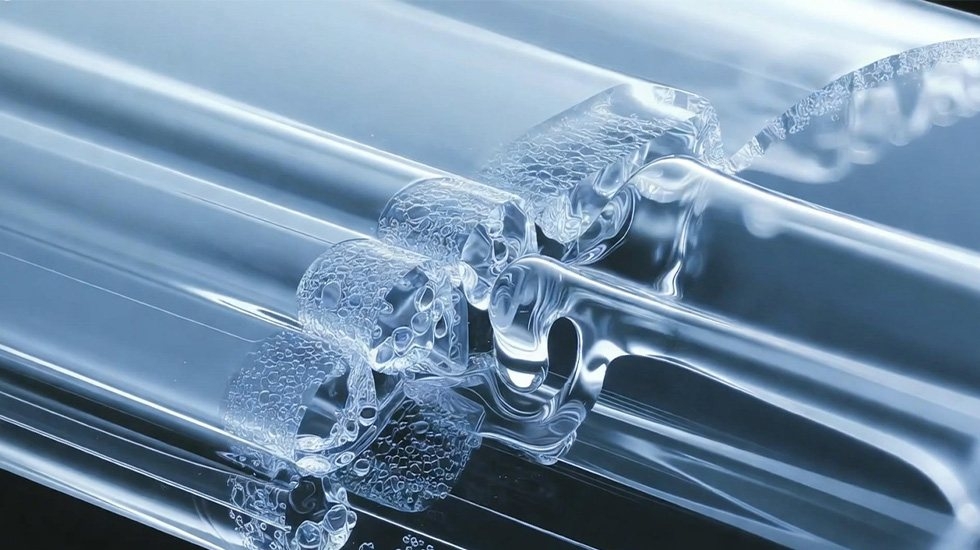
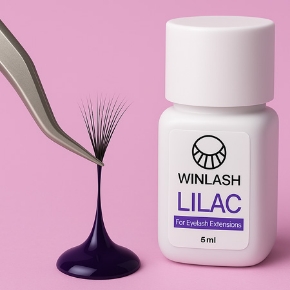
Even the highest-grade polymer fiber requires a compatible chemical environment to perform its best. To achieve elite retention, the micro-textured PBT base must pair with a high-homogeneity cyanoacrylate liquid. Subing out premium fibers with low-grade, generic adhesives creates a weak bond prone to early failure. Ensuring your toolkit is stocked with advanced, molecularly stable eyelash extension glue and liquids is essential for achieving a reliable, flexible bond line.
For high-speed application styling and maximum durability under challenging temperature and humidity conditions, using a specialized formula like db super lash glue 5ml provides the ultimate structural support. This high-viscosity liquid polymerizes into a perfectly clear, seamless lattice that locks onto the micro-etched PBT fiber instantly, preventing early shedding and securing a beautiful hold for up to six weeks.
The Long-Term Aesthetic Value of Premium Raw Materials
Investing in superior lash chemistry is the smartest way to protect your look, your time, and your budget. Choosing cheap, unrefined plastic extensions leads to brittle bonds, frizzy fiber tips, and constant, frustrating touch-up appointments. By choosing premium heat-set Korean PBT fibers paired with specialized liquid bonders, you enjoy clean weight distribution, perfect hypoallergenic safety, and gorgeous, long-lasting symmetry that looks stunning day after day.
Take your lash standards to the next level with world-class polymer engineering. Explore our complete collection of heat-stabilized Korean PBT fibers, micro-laser matte trays, and advanced bonding liquids at WinLash, and enjoy beautiful, long-lasting lash perfection today.
FAQ: Comprehensive Lash Material Troubleshooting
Can heat from cooking or saunas permanently flatten synthetic extensions?
Low-grade acrylic or polyester fibers will quickly droop and straighten when exposed to steam or heat. However, premium Korean PBT has a exceptionally high melting point and built-in molecular shape memory, allowing it to maintain its perfect, lifted curl even through hot saunas, showers, and intense outdoor heat.
Is there any real organic difference between silk and mink extensions today?
No, both are made from synthetic PBT polymers. The terms simply describe the finish: mink fibers feature a subtle, semi-matte finish with a long, elegant taper for a natural look, while silk fibers have a shorter taper and a glossy sheen for immediate visual density.
Why do some synthetic lash extensions feel stiff and cause eyelid poking?
Stiffness is a warning sign of low-grade plastic injection molding or excessive raw polyester fillers. High-grade Korean PBT undergoes detailed chemical conditioning, giving it a soft, flexible texture that mimics human hair while protecting the delicate lash line from discomfort.