



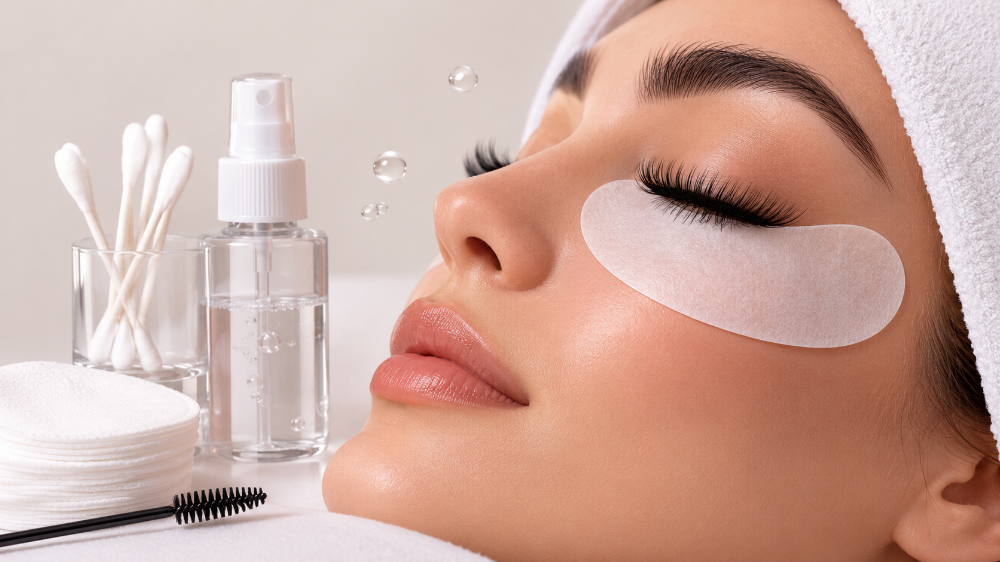
Professional lash extension hygiene means more than cleaning a pair of tweezers. It is a repeatable salon routine for preparing the workstation, handling tools and adhesive, separating clean items from used ones, and resetting the treatment area between clients. Lash artists can build that routine around the supplies and lash extension accessories they use every day.
The practical approach is simple: prepare before the appointment, prevent cross-contamination during the service, and clean and process reusable items afterwards. This guide turns those steps into a client-by-client checklist, with separate guidance for reusable tools, single-use supplies, glue accessories, the lash bed and UAE salon considerations.
- Use a defined before, during and after-client routine instead of relying on a quick surface wipe.
- Separate single-use applicators from reusable tools, and never reuse an item labelled for one-time use.
- Clean reusable tools before applying a compatible disinfectant or following the required reprocessing method.
- Keep fresh adhesive drops and clean glue-contact surfaces for each service; prevent the bottle nozzle from touching used tools or surfaces.
- Check the requirements that apply to the salon's licence and emirate. Dubai guidance should not automatically be presented as a rule for every UAE emirate.
Quick Access to This Article
What Does Lash Extension Hygiene Include in a Professional Studio?
A hygienic lash studio manages three connected areas: people, equipment and the treatment environment. The artist's hands and working habits matter, but so do the condition of reusable tools, the handling of disposable applicators, the cleanliness of surfaces and the way products are stored. A single clean-looking workstation is not enough if used tools are returned to a clean drawer or an applicator is shared between clients.
How Poor Hygiene Can Lead to Cross-Contamination
Cross-contamination happens when unwanted material or microorganisms are transferred from one person, tool or surface to another. In a lash appointment, this can happen when an artist handles a used applicator and then touches a clean product, returns a used tweezer to the clean-tool holder, or carries residue from the treatment bed to a fresh set of eye pads.
The aim is to create a clear separation between clean and ready-to-use, in use, and used and awaiting reprocessing. Keep these groups physically separate. Do not rely on memory or on whether an item looks clean: visible cleanliness does not prove that a tool has been disinfected or sterilised.
Cleaning, Disinfection and Sterilization: What Is the Difference?
These terms describe different processes and should not be used interchangeably. The definitions below follow general infection-control terminology; salon-specific requirements and the instructions for the product or equipment being used take priority.
| Process | What It Does | How to Think About It in a Lash Studio |
|---|---|---|
| Cleaning | Physically removes visible soil, residue and organic material using an appropriate cleaning method. | The necessary first step for reusable items that require further processing. |
| Disinfection | Inactivates many or specified microorganisms on inanimate objects, depending on the product and its required conditions. | Use a suitable product on compatible tools or surfaces, following its label and contact time. |
| Sterilization | A validated process intended to eliminate all forms of microbial life, including bacterial spores. | Use only where required and with equipment and cycles suitable for the item. Do not call a tool sterile after an ordinary wipe or an unvalidated UV-cabinet cycle. |
The CDC definitions of cleaning, disinfection and sterilization explain why cleaning must come before a later disinfection or sterilisation step. They are healthcare infection-control definitions, not a lash-service procedure, so use them to understand the terms rather than as a substitute for local salon rules.
When Should a Lash Artist Pause a Service Because of Eye-Health Concerns?
Do not begin, or pause the appointment, if the client has visible eye discharge, a suspected eye infection, inflamed or broken skin around the treatment area, unusual swelling, or reports significant eye pain or unexplained irritation. A lash artist should not diagnose the cause. Explain that the service needs to be postponed and recommend that the client seek advice from an appropriate healthcare professional.
A consultation record can also help the artist identify relevant sensitivities, previous product reactions and service-specific precautions. Keep client information private and record only what is needed for safe service planning.
The Lash Extension Hygiene Checklist: Before, During and After Each Client
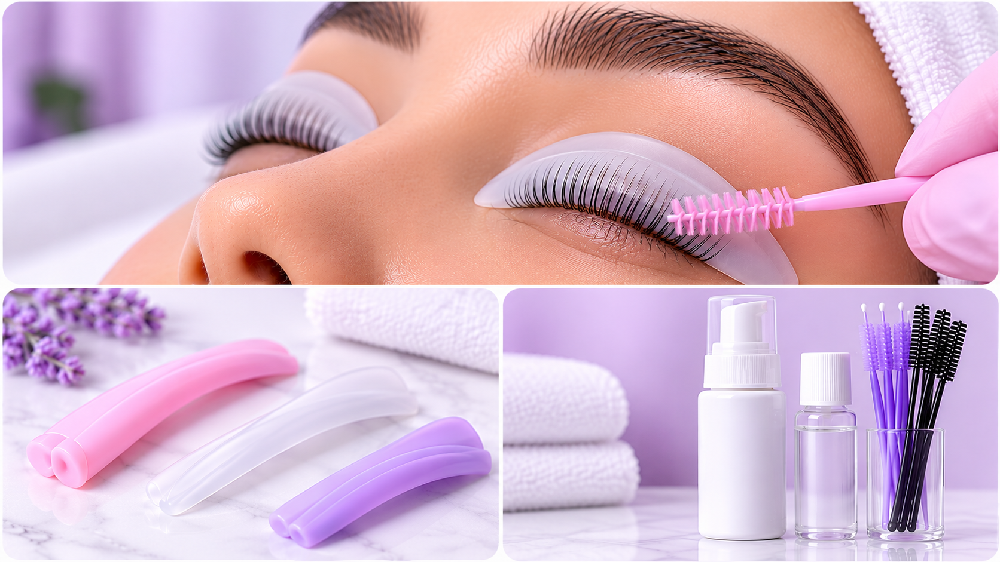
A useful hygiene routine follows the appointment from setup to reset. The checklist below is a practical workflow, not a replacement for the cleaning schedule, product labels or regulatory requirements that apply to a particular salon.
Before Each Appointment: Prepare a Clean Workstation and Processed Tools
- Perform hand hygiene before setting out the client's supplies.
- Remove used items from the previous appointment and keep them away from clean stock.
- Clean and disinfect the treatment bed, trolley top, lamp handles and other service surfaces with products suitable for those materials.
- Prepare processed reusable tools and keep them covered or stored in a clean, designated place until needed.
- Set out fresh single-use applicators, eye pads and other client-specific supplies.
- Check that adhesives and other professional products are correctly labelled, within their usable period and stored as directed.
- Review the client consultation and postpone the service if a relevant eye-area concern is present.
During the Service: Maintain Hand Hygiene and Prevent Cross-Contamination
- Keep clean tools and unused disposables separate from items that have already touched the client.
- Use a fresh applicator when the protocol requires a new one; never return a used applicator to a product container.
- Avoid touching the adhesive nozzle, product openings or clean stock with used gloves or contaminated tools.
- If gloves are required by the service, product instructions or local rules, change them when contaminated and when moving from a dirty task to a clean task. Gloves do not replace hand hygiene.
- Keep personal items, phones, food and drinks away from the treatment surface and clean supplies.
- If an item becomes contaminated or falls onto an unsuitable surface, remove it from use and process or discard it according to its type.
After Each Appointment: Dispose of Single-Use Items and Reset the Station
- Discard used single-use applicators, eye pads, tape and other disposable items in the appropriate waste stream.
- Move reusable tools to the designated used-tool area; do not place them back with clean tools.
- Remove visible adhesive, product residue and debris from compatible surfaces before disinfection where required.
- Disinfect the treatment bed, trolley, lamp touchpoints and other service surfaces according to the product label.
- Replace linens or protective coverings and prepare the station for the next appointment.
- Complete any required cleaning, reprocessing or waste records before starting the next service.
Client Handover: Explain Lash Cleansing and Basic Aftercare
Professional salon hygiene and at-home lash cleaning are connected, but they are not the same task. Before the client leaves, explain how to clean their extensions with a cleanser suitable for the service, how to dry and brush them gently, and which product-specific aftercare instructions to follow. Do not give a universal water, steam or washing restriction that conflicts with the adhesive or aftercare system being used.
Lash Extension Sanitation: How to Clean and Store Reusable Tools
Reusable tweezers and metal tools need a defined reprocessing route. The exact method depends on the tool's material, construction, intended contact and the rules that apply to the salon. Follow the instrument and disinfectant manufacturers' instructions; do not assume that one method is suitable for every tool.
سClean Reusable Tools Before Disinfection
Adhesive, remover, skin oils and other residue can remain on the surface or between the parts of a tool. Remove visible residue using a cleaning method that is compatible with the instrument. Pay attention to joints, grooves and areas that are difficult to reach. A disinfectant cannot be relied on to work properly through a layer of soil or dried product.
For more detailed, tool-specific instructions, use WinLash's existing lash tweezer cleaning and sterilisation guide. This article focuses on the wider salon routine rather than repeating that complete procedure.
Follow Disinfectant Instructions and Applicable Local Procedures
Use only a product that is intended for the relevant item or surface and compatible with its material. Follow the label for dilution, application method, personal protection, ventilation and contact time. Some disinfectants require the surface to remain visibly wet for a stated period. Do not shorten that time, mix chemicals, transfer products into unlabelled containers or use a surface disinfectant on skin or lashes.
A tweezer-tip cleaner may help remove dried adhesive or product residue, but that does not automatically make it a complete disinfectant or sterilisation method. Check the exact product claims and instructions before describing it as an infection-control product.
Dry and Store Processed Tools Separately from Used Items
Once the required processing is complete, allow tools to dry as directed and store them in a clean, closed or covered location that protects them from dust, splashes and accidental handling. Use separate, clearly identified containers or drawers for processed tools and items awaiting cleaning. If the packaging or storage becomes contaminated, reprocess the tools before use.
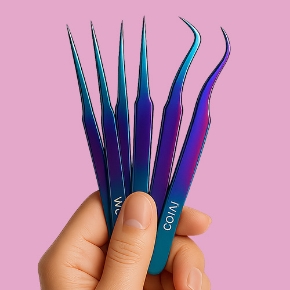
WinLash's professional lash tweezers and scissors belong in this reusable-tool workflow. The product itself is not a substitute for the salon's cleaning and reprocessing procedure.
Which Lash Extension Supplies Should Be Single-Use or Client-Specific?
The simplest rule is to follow the item label and intended use. Anything marked single-use must be discarded after use, not washed or saved for another appointment. Reusable accessories need a cleaning and disinfection method appropriate to their material and design. When an item cannot be reliably reprocessed, use a disposable alternative or a suitable single-use barrier where permitted.
Micro Brushes, Spoolies, Eye Pads and Lint-Free Applicators
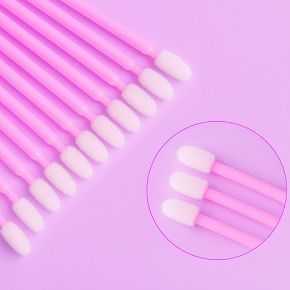
Micro brushes, mascara wands, spoolies, eye pads and lint-free applicators are commonly supplied as disposable products for professional lash work. Use a fresh applicator for the intended client and task, and discard it after use when it is labelled or intended for one-time use. Never dip a used applicator back into a shared product container.
WinLash offers micro brushes for lash extensions and disposable mascara wands and lash spoolies. Check each product's packaging and usage instructions, and keep unused stock protected from dust and handling.
Tape, Lash Tiles, Glue Palettes and Other Reusable Accessories
Do not assume every accessory is disposable or reusable based on its appearance. Eye-area tape and pads are generally treated as client-specific consumables; a reusable lash tile, mat or palette must be processed according to the material and manufacturer instructions. If a surface is porous, damaged, cracked or difficult to clean, it may not be suitable for repeated use in a client service.
For reusable accessories, make the process clear: remove residue, clean the item, apply a compatible disinfectant if required, respect the contact time, then dry and store it. A disposable barrier can help protect a work surface, but it does not remove the need to clean the surface if contamination reaches it.
How to Keep Lash Adhesive and Glue Accessories Hygienic
Adhesive hygiene is mainly about preventing contamination and protecting the product from unsuitable storage conditions. Keep the bottle closed when it is not in use, avoid contact between the nozzle and tools or surfaces, and follow the adhesive manufacturer's directions for shaking, storage, opening and replacement.
Use Fresh Glue Drops and Handle Palettes and Glue Holders Carefully
Dispense adhesive onto a clean, suitable palette or holder without allowing the nozzle to touch the surface. Use the drop within the product's working window and replace it when it thickens, becomes stringy or reaches the replacement point specified by the adhesive manufacturer. Do not return unused adhesive to the original bottle.
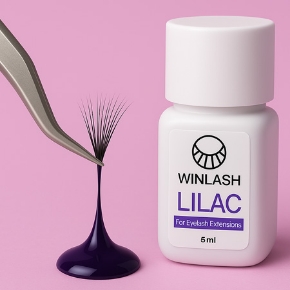
A glue holder is an accessory for positioning the adhesive drop; it is not automatically a disinfecting device. WinLash's Teardrop Glue Holder and adhesive-backed Teardrop Glue Holder should be handled according to their material, construction and product instructions. If a holder is designed for one-time use, discard it after use; if it is reusable, clean and process it as directed.
Prevent Contamination Around Adhesive Bottle Nozzles and Caps
- Do not touch the nozzle to the glue palette, a micro brush, a glove or the client's skin.
- Wipe the bottle neck or nozzle only in the way specified by the adhesive manufacturer; avoid introducing fibres or cleaning liquid into the bottle.
- Close the cap securely after dispensing and keep the outside of the bottle clean and dry.
- Do not share a cap, nozzle accessory or applicator between products unless the manufacturer explicitly permits it.
Store Adhesive Correctly and Track Opening and Expiry Dates
Store the adhesive within the temperature, humidity, light and packaging conditions stated by its manufacturer. Record the opening date when the label or supplier instructions call for it, and do not continue using a bottle past its stated shelf life or recommended period after opening. A storage box does not correct an unsuitable storage temperature, and a desiccant or refrigerator should be used only if the product instructions recommend it.
How to Maintain a Clean Lash Bed and Work Environment
.png "Clean and Well-Organised Lash Studio Environment")
The studio environment should support the clean-to-used workflow. Keep the treatment area uncluttered, make cleaning supplies accessible without storing them beside clean applicators, and ensure that used linens and waste do not pass through clean-stock areas.
Clean the Lash Bed, Pillow, Trolley, Lamp and High-Touch Surfaces
After each client, clean and disinfect the surfaces that were touched or used during the service, following the surface-care and disinfectant instructions. Pay particular attention to the bed controls, pillow or headrest cover, trolley handles, lamp adjustment points, drawer pulls and worktop. Replace linen and disposable barriers between clients; launder reusable textiles according to the salon's approved procedure.
Use products that are compatible with the surface. Strong chemicals can damage some finishes, while a product intended for tools may not be suitable for upholstery or electronic equipment. Keep liquids away from electrical components and allow treated surfaces to dry as directed before setting out clean supplies.
Separate Clean Tools from Used Items and Manage Waste Properly
Create designated storage for unused consumables, processed reusable tools and items awaiting cleaning. Use closed containers or covered drawers where appropriate, and never place used items on the clean trolley shelf. Dispose of ordinary salon waste and any special waste in line with the procedures that apply to the establishment; do not assume all waste belongs in the same bin.
Maintain Suitable Ventilation and Indoor Air Quality
Keep the treatment area appropriately ventilated for the services and products used. Follow adhesive safety information and any local occupational or salon guidance about fumes, temperature and air circulation. Avoid improvised chemical mixing or unapproved fogging as a shortcut to cleanliness; ventilation and routine surface hygiene are different controls and neither replaces the other.
What UAE Salon Hygiene Guidance Should Lash Artists Check?
Salon requirements depend on the emirate, the establishment's licence, the activities it is authorised to provide and any permits that apply. Dubai Municipality material is useful for salons operating in Dubai, but it should not be described as one identical rulebook for every emirate.
Dubai Municipality Guidance for Work Areas, Ventilation and Waste Management
Dubai Municipality's Ideal Salon Technical Guidelines, Version 4 (7 July 2025) describe criteria for salons seeking the Ideal Salon classification. These include covered and stored tools, dedicated work areas for preparing products and related tools, an area for sterilising tools, suitable ventilation, and effective waste disposal. The guide also includes a separate waiting-area criterion and product-registration and staff-training criteria.
It is important to read the document accurately: it is an Ideal Salon assessment guide, and its ideal criteria should not all be presented as universal minimum legal requirements. The guide specifically labels the use of products registered in Montaji, with professional-use training, as mandatory within that assessment. Salons should confirm the requirements that apply to their own licence and inspection category.
Dubai's Law No. 5 of 2025 Concerning Public Health sets obligations for establishments classified as Environmental Health-related Establishments, including general cleaning, disinfection, sterilisation, waste segregation and disposal, record management, and relevant worker training. Article 36 applies to establishments holding the relevant Environmental Health Permit; a lash artist should not assume that every service or salon classification is automatically covered in the same way.
Check the Requirements for Your Emirate and Salon Setup
Before adopting a checklist as a compliance policy, confirm the latest requirements with the authority responsible for the salon's licence and location. Check which cleaning and disinfection products are permitted, what records must be retained, how reusable tools must be processed, and how waste must be separated. Keep a copy of the current official guidance and product instructions available to the person responsible for salon hygiene.
Frequently Asked Questions About Lash Extension Hygiene
What does lash extension hygiene include?
It includes hand hygiene, clean and correctly processed tools, single-use applicators, clean treatment surfaces, hygienic adhesive handling, suitable storage and proper waste disposal. The routine should cover setup, the appointment itself and the reset before the next client.
How often should lash extension tools be disinfected?
Reusable tools should be cleaned and processed between clients according to their intended use, material, product instructions and local requirements. Single-use items should be discarded after use rather than disinfected for reuse.
Which lash extension supplies should be single-use?
Items labelled or intended for one-time use—such as many micro brushes, spoolies, eye pads and lint-free applicators—must not be shared or reused. Check the label for each item; tools and accessories designed for repeated use need an appropriate reprocessing method instead.
Are you supposed to clean eyelash extensions?
Yes. Clients should follow the cleansing routine recommended by their lash professional and use a cleanser suitable for extensions and the eye area. Gentle cleaning helps remove makeup, oils and everyday debris; the salon's tool-disinfection routine is a separate professional responsibility.
Can I shower with lash extensions after 24 hours?
The answer depends on the adhesive and aftercare instructions used for the appointment. Lash artists should give clients the guidance supplied by the adhesive manufacturer rather than promise that every extension system has the same water or steam restriction.
How long can a client go without washing lash extensions?
Clients should not treat washing as optional or wait until visible buildup appears. Recommend a consistent, gentle cleansing routine suited to the client's lifestyle and the aftercare guidance for the extension system. Avoid prescribing one universal frequency without considering the professional product guidance and individual needs.
Can a tweezer-tip cleaner replace disinfection?
Not unless the specific product is labelled and approved for that disinfection purpose and is used exactly as directed. A cleaner that removes adhesive residue is not automatically a disinfectant or a sterilisation process.
Conclusion: Make Hygiene Part of Every Client Handover
Reliable lash extension hygiene comes from a routine that is easy to repeat and easy to check. Prepare a clean station, keep clean and used items separate, use disposables as intended, process reusable tools correctly, manage adhesive carefully and reset the treatment area before the next appointment. The client-by-client approach makes small steps visible, instead of leaving hygiene to a last-minute wipe-down.
For lash artists building or refreshing their professional setup, explore WinLash's range of lash tools and accessories and select products that fit the salon's own hygiene and reprocessing procedures.
Build a Better-Prepared Lash Studio
Find professional lash tools, accessories and disposable supplies for your workstation at WinLash.
Shop WinLashProfessional education only. Always follow current manufacturer instructions, product labels, staff training and the requirements of the relevant local authority. This article does not replace professional training, product-specific directions or legal advice.