



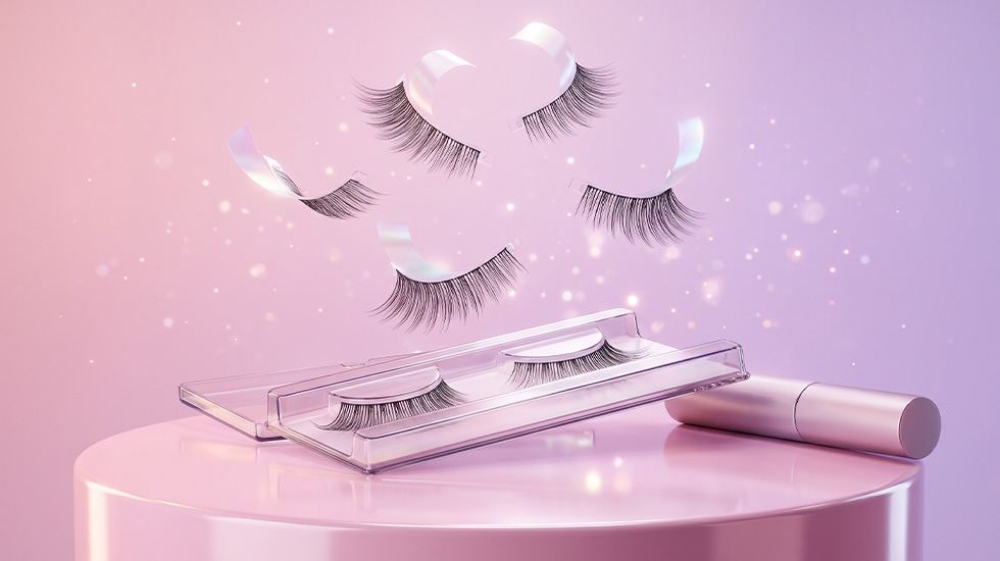
Self adhesive lashes promise the look of false lashes without the messiest step: no tube of glue, no waiting for it to turn tacky, and no glue on your fingers. The adhesive is already on the band, so you peel, place and press. That convenience has made self adhesive eyelashes one of the fastest-growing false lash formats, but the adhesive behind them works very differently from strip lash glue or the professional lash adhesive used for extensions, and that affects how long they hold, whether they're reusable and how they should be removed.
This guide explains how self adhesive lashes work, what "reusable" really means, how to apply and remove them safely, how they hold up in hot and humid weather, and how they compare with glue-on strips, magnetic lashes, clusters and lash extensions.
Key Takeaways
- Self adhesive lashes use a pre-applied, pressure-sensitive adhesive that sticks on contact, with no separate glue.
- Many pre-glued strips are designed for a single wear; "reusable" versions usually lose grip with each use.
- Oily lids, oil-based skincare and heat are the main reasons they lift early.
- Always remove them by dissolving the adhesive, never by pulling, to protect your natural lashes.
Quick Access to This Article
- The Short Answer: Do Self Adhesive Lashes Work?
- What Are Self Adhesive Lashes and How Do They Stick?
- Types of Self Adhesive Eyelashes
- Are Self Adhesive Lashes Reusable?
- How to Apply Self Adhesive Lashes Step by Step
- How Long Do They Last, Especially in Heat?
- How to Remove Self Adhesive Lashes Safely
- Are Self Adhesive Lashes Safe?
- Self Adhesive Lashes vs Glue-On, Magnetic, Clusters and Extensions
- How to Choose the Best Self Adhesive Lashes
- For Lash Artists: Clients Who Wear No-Glue Lashes
- Frequently Asked Questions
- Conclusion
The Short Answer: Do Self Adhesive Lashes Work?

Yes, for the right situation. Self adhesive lashes are one of the easiest false lash formats for beginners and for quick, occasional wear, because there's no glue to measure, spread or wait for. The trade-off is hold. The adhesive is gentler than traditional lash glue, so they tend to lift sooner, especially on oily lids or in hot weather, and most pre-glued strips are made to be worn once.
If you want lashes for an evening or an event and value speed over all-day staying power, self adhesive lashes are a practical choice. If you want lashes that stay put through long, hot days, workouts or everyday wear, a glue-on strip, a bond-and-seal cluster system or professional extensions will usually hold better.
What Are Self Adhesive Lashes and How Do They Stick?
Self adhesive lashes, also called self adhesive false eyelashes, self stick eyelashes or pre-glued lashes, are false lashes with an adhesive layer already applied to the band. A protective film covers the adhesive until you're ready to wear them. You'll also see them sold as "lashes with no glue", which really means no separate glue: the adhesive is simply built in.
Most use a pressure-sensitive adhesive, the same basic type of adhesive found on tapes and stickers. It bonds when you press it, rather than curing over time. That's very different from the two other lash adhesives you're likely to see:
| Adhesive type | Used for | How it bonds | Hold |
|---|---|---|---|
| Pressure-sensitive (pre-applied) | Self adhesive lashes | Sticks on contact when pressed | Lighter, gentler, shorter |
| Strip lash glue | Traditional glue-on strip lashes | Applied wet, turns tacky, then sets | Usually stronger and longer than pre-glued |
| Cyanoacrylate extension adhesive | Professional eyelash extensions | Cures by reacting with moisture in the air | Strongest; lasts weeks, applied only by trained artists |
Because pressure-sensitive adhesive doesn't cure into a hard bond, it's softer on the lid and easier to reposition while you're placing the lash. That same softness is why it releases sooner when oil, sweat or heat get involved.
Types of Self Adhesive Eyelashes
Pre-glued strip lashes
The most common format: a full or half strip with adhesive along the band, placed just above the natural lash line like a traditional strip lash. They're the quickest to apply and give the most dramatic result.
Pre-glued clusters
Small, pre-glued segments placed underneath or along the natural lashes. They're more customizable than strips and often sit better on hooded eyes, because each segment follows the lash line instead of resting on a rigid band. If you like building a custom look, our cluster and strip lashes come in a range of lengths and densities.
Adhesive tabs and liners
Some products add a self adhesive strip or "lash liner" that you apply first, turning any band lash into a no-glue lash. These are useful if you already own strip lashes you like but want to skip liquid glue.
Are Self Adhesive Lashes Reusable?
It depends on the product, and this is where marketing can be confusing. Many pre-glued strips are designed for a single wear: once the adhesive has been pressed onto the lid and peeled off, it collects oil, makeup and dust and won't grip the same way again.
Products sold as reusable self adhesive eyelashes usually work in one of these ways:
- The lash band itself is durable and can be worn again, but the adhesive is replaced each time with fresh adhesive strips or tabs
- The adhesive is designed to be re-tacky for a limited number of wears, with grip dropping a little each time
- The pack includes extra adhesive refills for the same lashes
Check the packaging rather than assuming. If a pre-glued strip no longer holds, don't add regular lash glue on top of the old adhesive. Mixing adhesives on one band tends to create a thick, uneven edge and removes the gentler-on-skin benefit you chose self adhesive lashes for in the first place.
To get the most wears from genuinely reusable eyelashes with no glue, remove them gently, keep them in their original tray so the curve holds, and store them closed and clean. Replace the lashes once the band bends out of shape or the fibres start to fray, since a misshapen band won't sit flat on the lid however fresh the adhesive is.
How to Apply Self Adhesive Lashes Step by Step
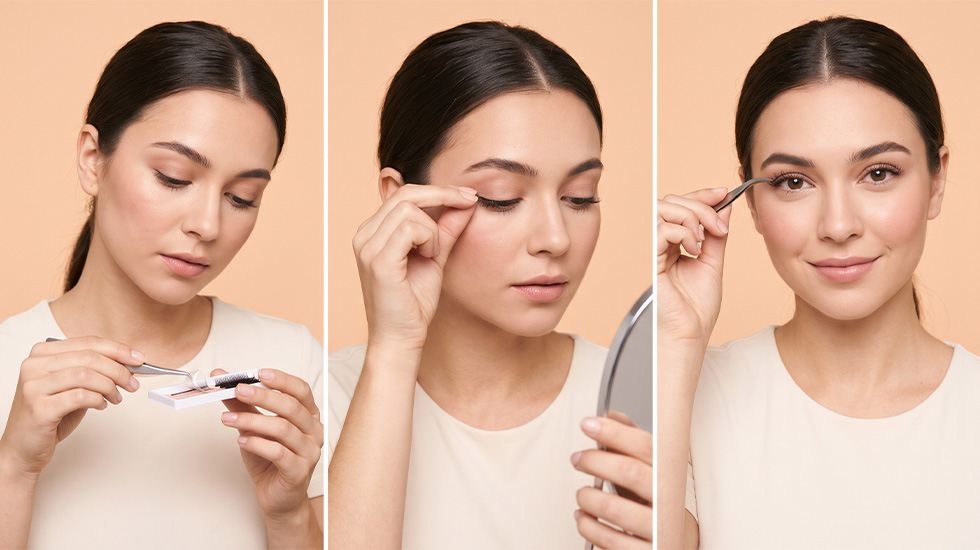
- Prep the lid. Cleanse with a gentle, oil-free cleanser and let the lid dry completely. Skip oil-based eye creams and primers that day, since oil is the main enemy of pre-glued adhesive.
- Do your eye makeup first. Eyeshadow and liner should go on before the lashes so you don't disturb the band afterward.
- Measure and trim. Hold the strip against your lash line and trim from the outer end if it's too long. A strip that's too long is the most common reason inner corners lift.
- Peel the film. Remove the protective film without touching the adhesive with your fingers.
- Place from the outer corner. Looking down into a mirror, set the outer end of the band just above your natural lash line, then lay the rest of the strip inward toward the inner corner.
- Press firmly. Press along the full band with a clean applicator or tweezers, then press the outer and inner corners again for a few seconds. Pressure is what activates the bond.
- Blend. Gently pinch your natural lashes and the false lashes together so they move as one.
For pre-glued clusters, place each segment under your natural lashes, starting at the outer corner and working inward, and keep a small gap from the waterline so the adhesive doesn't touch the inner lid.
How Long Do They Last, Especially in Heat?
Pre-glued strips are generally made for one day or evening of wear, and in real use they often hold for less time than the packaging suggests. Pre-glued clusters can last longer, sometimes a few days, particularly if you press them back into place each morning. The exact wear time depends on the brand, your skin and your routine.
What shortens wear the most:
- Oily lids: natural skin oil gradually breaks down pressure-sensitive adhesive, starting at the corners
- Oil-based skincare and removers: even a little eye cream on the lid can stop the band from gripping
- Heat, humidity and sweat: in a hot climate like the UAE, warmth softens the adhesive and sweat adds moisture at the lash line
- Touching and rubbing: repeatedly pressing or adjusting the band weakens the bond
Storage matters too. Heat and humidity can degrade the adhesive before you even open the pack, so keep self adhesive lashes in a cool, dry drawer rather than a steamy bathroom, a hot bag or a parked car.
How to Remove Self Adhesive Lashes Safely
Pre-glued adhesive can be surprisingly sticky on removal, and pulling the band off dry is one of the easiest ways to lose natural lashes along with it.
- Soak a cotton pad in an oil-based makeup remover or a gentle cleansing oil
- With your eye closed, hold the pad against the lash line for 30 to 60 seconds to soften the adhesive
- Starting at the outer corner, slide the lash off gently; if it resists, apply more remover and wait
- Cleanse away any remaining adhesive from the lid and lashes
- If the lash is reusable, clean the band carefully and return it to its tray
Keep remover out of your eyes, and never peel lashes off quickly.
Are Self Adhesive Lashes Safe?
False lashes are generally considered safe when used carefully, and pre-glued lashes avoid the step of applying liquid glue near the eye, which many people find easier. They still carry the usual false lash risks, though:
- Adhesive sensitivity: any lash adhesive can cause irritation or allergic reactions in some people. Read the ingredient list and patch test before first use, especially if you've reacted to lash glue before.
- Infection: wash your hands before applying, never share lashes, and don't reuse lashes that weren't designed for it.
- Natural lash damage: heavy bands and pulling during removal can break or pull out natural lashes.
- Placement: keep the band above the natural lash line and away from the waterline.
For a clear overview of false lash safety, WebMD's guide to what to know about fake eyelashes covers adhesive allergies, hygiene and removal. Stop wearing any lashes that cause pain, redness, swelling or persistent itching, and see a doctor if symptoms continue or your vision is affected.
Self Adhesive Lashes vs Glue-On, Magnetic, Clusters and Extensions
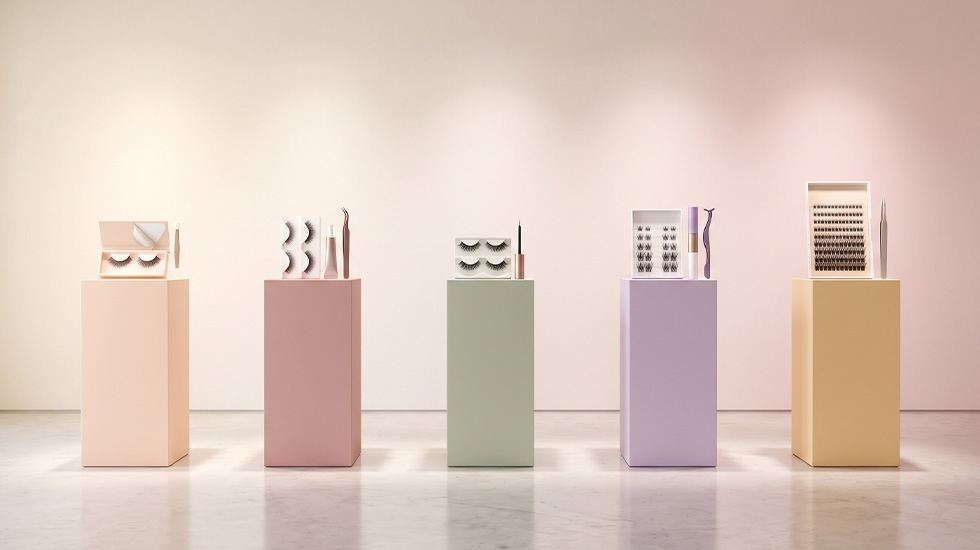
| Option | Application | Typical wear | Hold | Best for |
|---|---|---|---|---|
| Self adhesive lashes | Peel, place, press; no glue | One day (strips); a few days (some clusters) | Light to moderate | Beginners, quick looks, occasional wear |
| Glue-on strip lashes | Apply glue, wait, place | One day | Moderate to strong | All-day events, dramatic looks |
| Magnetic lashes | Magnetic liner or dual magnets | One day, reusable strips | Moderate; liner can smudge in heat | No-glue wearers who don't mind liner |
| Bond-and-seal clusters | Bond, place under lashes, seal | Several days | Strong for a DIY option | A customized multi-day look at home |
| Lash extensions | Applied lash by lash by a trained artist | Weeks, with fills | Strongest | Everyday wear with no routine |
If you find yourself applying self adhesive lashes almost every day and fighting with lifting corners, it may be worth considering professional eyelash extensions, which replace the daily routine with a fill every few weeks.
How to Choose the Best Self Adhesive Lashes
There's no single best self adhesive lash for everyone. Instead of focusing on brand names, check these points:
| What to check | Why it matters |
|---|---|
| Band thickness and flexibility | A thin, flexible band follows the lid curve and is less likely to lift at the corners |
| Format: strip or cluster | Strips are fastest; clusters suit hooded eyes and look more natural |
| Length and density | Shorter, lighter lashes are easier to place and put less weight on the band and your natural lashes |
| Single-use or reusable | Reusable designs need replacement adhesive or careful storage to keep working |
| Ingredient list | Important if you have sensitive eyes or have reacted to lash glue before |
| Storage conditions | Adhesive that's been stored in heat may grip less from the first wear |
For Lash Artists: Clients Who Wear No-Glue Lashes
Many new extension clients arrive having worn self adhesive or strip lashes. A few points make that transition smoother:
- Check for residue: pressure-sensitive adhesive and oil-based removers can leave a film on the lash line, which interferes with extension adhesive. Cleanse thoroughly before you start.
- Assess the natural lashes: frequent dry removal of pre-glued strips can leave natural lashes broken or uneven. Choose lighter extensions if lashes look weakened.
- Explain the adhesive difference: clients often assume all lash glue is the same. Extension adhesive is a cyanoacrylate mixture that cures with humidity, must be used by a trained artist and needs to be mixed properly before each application, as explained in our guide to manual shaking vs glue shakers.
- Be honest about fit: clients who only want lashes for occasional events may genuinely be happier with no-glue lashes, and saying so builds long-term trust.
- Set aftercare expectations: clients used to removing lashes every night need to know that extensions stay on and are cleansed gently instead.
Frequently Asked Questions
How do self adhesive lashes stick without glue?
They do use adhesive, but it's already applied to the band. Most use a pressure-sensitive adhesive that bonds when you press the band against your lid, so there's no separate glue to apply or wait for.
Are self adhesive eyelashes reusable?
Some are, many aren't. Many pre-glued strips are designed for a single wear. Reusable versions usually rely on replacement adhesive strips or adhesive that stays tacky for a limited number of wears, with grip dropping each time.
Why do my self adhesive lashes keep lifting at the corners?
The most common causes are oil on the lid, a strip that's too long for your eye, not pressing the corners firmly enough, and heat or sweat. Cleanse with an oil-free product, trim the strip and press the corners again after placing.
Are self adhesive lashes better for sensitive eyes?
Some people find them gentler because they avoid applying liquid glue near the eye, but they still contain adhesive. Read the ingredient list and patch test before first use.
Can I sleep in self adhesive lashes?
It isn't recommended for strip lashes. Pressing your face into a pillow can lift or bend the band and pull on your natural lashes. Remove them before bed unless the product specifically says otherwise.
Can I use self adhesive lashes over lash extensions?
It's best not to. The adhesive and the removal process can pull on the extensions and the natural lashes underneath, and oil-based removers can weaken the extension bond.
Conclusion
Self adhesive lashes make false lashes faster and less messy than ever, and for beginners, travel and occasional looks they're hard to beat. Knowing how their pressure-sensitive adhesive behaves is the key to getting a good result: prep an oil-free lid, trim the strip to fit, press firmly, keep them away from heat in storage, and always dissolve the adhesive instead of pulling the lash off. If you want lashes that last through long, hot days without any daily routine, that's where professional extensions take over.
Explore cluster lashes, professional extensions, adhesives and studio supplies at Winlash.